Views: 0 Author: Site Editor Publish Time: 2026-05-30 Origin: Site
Ever wonder how sunlight turns into electricity for your home? It is simpler than you think.
Asolar panelcaptures light to create clean, renewable energy. This is the most accessible path toward true energy independence today.
In this post, we will explore how this technology works. You will learn how to maximize your power production and ROI. Let’s unlock the potential of your rooftop together.
What Is a Solar Panel and How Does It Work?
Asolar panelis essentially a clever device that captures sunlight to generate electricity. It relies on the photovoltaic effect, a natural process where light particles, known as photons, strike the surface of the panel. This impact knocks electrons loose from their atomic orbits, creating a steady flow of direct current (DC) electricity. You can think of this as the panel's way of turning pure sunshine into usable power for your daily needs.
To make this energy useful for your home or business, the system requires a few key components working in harmony:
●Silicon Cells:These act as the engine of thesolar panel. They are crafted from layers of silicon treated with phosphorus and boron to create a strong electric field. When photons hit these cells, they force electrons to move in one direction, which generates the initial electrical current.
●Inverters:Most household appliances run on alternating current (AC), but your panels produce DC. An inverter acts as a translator, converting that raw DC power into the AC electricity your lights and gadgets need. It is the bridge between your roof and your wall outlets.
●Battery Banks:If you want to stay powered up after the sun goes down, you need a battery. These units store the excess energy your system creates during the day. This is particularly vital for off-grid setups where you cannot rely on a main power grid.
Efficiency is the most important metric when you are shopping for a new system. Modern manufacturing has pushed the boundaries of what a standardsolar panelcan achieve. For instance, Ocean Solar utilizes advanced N-type TOPCon technology to reach conversion rates between 22.5% and 24.2%. This leap in performance means you get more power from the same amount of sunlight compared to older, traditional models.
Feature
Traditional Panels
N-type TOPCon Panels
Conversion Efficiency
18% – 20%
22.5% – 24.2%
Temperature Tolerance
Moderate
High (Better in heat)
Long-term Output
Standard degradation
High power retention
These technical improvements ensure your investment works harder for you over the long haul. By choosing high-efficiency modules, you reduce the total number of panels needed to meet your energy goals. This approach saves you space on your roof while keeping your system footprint small and manageable. It is a practical way to balance high performance with a clean, professional look that fits any modern building design.
Evolution of Solar Technology: A Brief History
The journey of thesolar panelbegan over a century ago. Edmond Becquerel first noticed the photovoltaic effect in 1839. He saw how light could create electricity. It took many years for inventors to turn this discovery into a practical tool. Charles Fritts built the first real solar cell in 1893. He used selenium coated in gold. It was a humble start to a massive global industry.
Everything changed in 1954 at Bell Laboratories. Researchers there created the first silicon-based cell. This invention made it possible to capture sunlight efficiently. It was the true birth of the modernsolar panel. Engineers quickly realized its potential for powering complex electronics. They needed a reliable energy source for remote locations.
●Early Space Missions:Satellites were the first major users of solar power. They needed a lightweight and durable energy source in orbit. Solar cells fit this need perfectly. They provided power for years without needing fuel. This success proved that solar energy was viable for high-stakes technology.
●Mainstream Shift:By the 1970s, solar cells appeared in simple devices like calculators. People started to see the value in their daily lives. Eventually, prices dropped enough for residential use. Homeowners began installing systems to lower their monthly bills. Large companies like Google followed suit to power their massive headquarters.
Era
Primary Application
Technology Focus
1950s-60s
Space Satellites
Basic Silicon Cells
1970s-90s
Calculators & Remote Sites
Efficiency Improvements
2000s-Present
Residential & Commercial
High-Power Modules
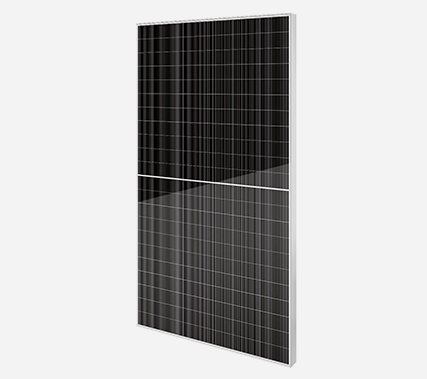
We have seen significant shifts in how these panels are built today. Modern standards focus on squeezing every bit of power from the sun. Manufacturers now use half-cell designs to reduce energy loss. They also use Super Multi-Busbar (SMBB) technology. This improvement helps electrons travel more easily through thesolar panel. It results in less resistance and higher overall output.
These technical upgrades are not just for show. They improve the reliability of the entire system. When you look at a modern module, you see the result of decades of testing. Designers have refined the glass, the frames, and the internal wiring. They ensure that your system can handle harsh weather while producing clean power. It is a long way from the early selenium cells of the 19th century. We are now in an era where solar power is both affordable and incredibly efficient.
Choosing the Right Solar Panel for Your Needs
Picking the rightsolar paneldepends on your specific installation site and energy goals. You should first consider whether you need a monofacial or bifacial module. Monofacial panels are the standard choice for most residential rooftops. They absorb sunlight from the front side only. This makes them cost-effective and straightforward to install on typical home structures.
Bifacial panels offer a different approach for larger spaces. They capture light from both the front and the rear surfaces. This design is perfect for ground mounts, carports, or flat roofs where light reflects off the ground. By utilizing this reflected light, you can boost your total energy yield by up to 20%. It is a smart way to get more power from the same footprint.
●M10 Series (450W–615W):These are versatile workhorses. They fit well on many residential and light commercial roofs. You get a great balance of power and ease of handling.
●G12R Series (620W–650W):This series provides a higher power density. It is ideal for projects needing more output without increasing the total number of units.
●G12 Series (700W–750W):These high-power modules are built for utility-scale solar farms. They handle massive energy loads with ease across large open fields.
Series Type
Power Range
Best Application
M10 Series
450W – 615W
Residential & Small Commercial
G12R Series
620W – 650W
Medium Commercial & Industrial
G12 Series
700W – 750W
Large Utility-Scale Farms
Durability is another factor you cannot ignore. You need asolar panelthat performs well even when the temperature climbs. Many standard panels lose efficiency in extreme heat. Ocean Solar addresses this by engineering modules with a temperature coefficient of -0.30%/°C. This feature ensures your system keeps working efficiently during hot summer days.
You should also look for robust physical construction. A high-quality module will feature 3.2mm tempered glass and an IP68 junction box. These materials protect the delicate internal cells from wind, snow, and rain. When you choose a panel with these specifications, you are investing in long-term reliability. It keeps your energy production steady regardless of the local climate challenges.
The Benefits of Installing Solar Panels
Investing in asolar panelsystem is a smart financial move for many homeowners and businesses. You can expect an annual return on investment between 10% and 15% when using high-efficiency technology. These savings accumulate quickly as you reduce your monthly utility bills. Over time, the system pays for itself while generating free, clean electricity for your property.
The positive environmental impact is just as significant as the financial gain. By generating your own power, you lower the demand for traditional fossil fuels. This transition helps reduce greenhouse gas emissions in your community. Everysolar panelyou install contributes to a healthier atmosphere for future generations. It is a simple way to take direct action against climate change.
●Financial Gains:You can potentially eliminate monthly electric bills entirely. In some regions, net metering allows you to sell excess power back to the grid. This turns your rooftop into a small, profitable power plant.
●Environmental Stewardship:Solar energy is clean and renewable. It produces no moving parts, noise, or pollution while operating. You are choosing a sustainable path for your energy needs.
●Long-term Value:A well-maintained system provides power for three decades. Once the initial cost is covered, the electricity generated is essentially free for the remainder of the lifespan.
Benefit Category
Primary Advantage
Impact Level
Financial
10%–15% Annual ROI
High
Environmental
Reduced Carbon Footprint
High
Operational
Low Maintenance Costs
Medium
Modern hardware is built to last through harsh conditions. Eachsolar panelfeatures 3.2mm tempered glass to protect the internal cells from hail and debris. The IP68-rated junction boxes keep moisture and dust away from the electrical connections. These design choices ensure your system withstands heavy wind, snow, and rain for many years. You do not need to worry about constant upkeep or expensive repairs.
Reliability remains a cornerstone of the modern solar experience. Manufacturers focus on robust frames and weather-resistant materials to guarantee performance. You can trust that your investment will remain stable during extreme weather events. This durability provides peace of mind for anyone living in unpredictable climates. It is a set-it-and-forget-it solution that keeps working quietly on your roof.
Why Quality and Support Matter
When you invest in asolar panel, you are making a commitment lasting decades. Quality is not just a buzzword; it is the foundation of your energy security. You must look for rigorous certifications before making any purchase. Standards like ISO9001, CE, and IEC are non-negotiable requirements for safety. They prove that the manufacturer follows strict testing protocols during production. These marks ensure your equipment handles real-world stress without failing prematurely.
You should always verify these credentials to protect your investment. A certifiedsolar panelundergoes intense heat, pressure, and moisture tests. These trials mimic the harshest environments your roof might face. If a product lacks these certifications, you risk safety issues or poor performance. It is always better to choose hardware that meets global quality benchmarks.
●ISO9001 Certification:This standard confirms the factory maintains consistent management and production quality. It ensures every unit leaving the line meets the same high bar.
●CE Marking:This indicates the product complies with European health and safety requirements. It is a vital passport for quality in many global markets.
●IEC Standards:These are the gold standard for performance and safety in the solar industry. They guarantee your modules are built to last under various weather conditions.
Certification
What It Ensures
Why It Matters
ISO9001
Process consistency
Reliable manufacturing
CE
Safety compliance
Market trust
IEC
Technical performance
Long-term durability
Beyond the hardware, the service model determines your long-term success. Ocean Solar offers a one-stop service that simplifies the entire process for you. They handle everything from initial design and packaging to final installation. This end-to-end approach removes the headache of coordinating with multiple vendors. You work with one partner who understands every detail of your system.
Technical support is just as critical as the initial setup. You need a team that stands behind their work for the long haul. Ocean Solar provides ongoing maintenance and technical guidance to keep your system running smoothly. They ensure a seamless transition to solar energy for your home or business. This level of support turns a complex project into a straightforward, worry-free experience. You get the peace of mind that comes from professional oversight at every single stage.
FAQ
Q: How long do solar panels last?
A: Ocean Solar panels are built for longevity, featuring a 30-year linear power warranty that ensures high performance for decades.
Q: Can I customize my solar system?
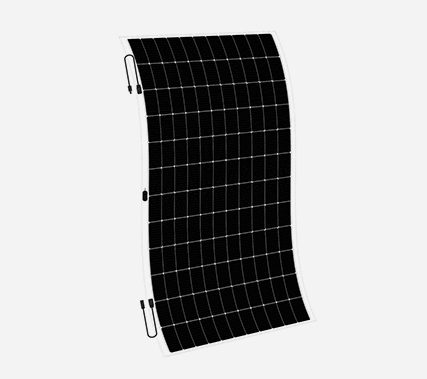
A: Yes, we offer flexible OEM/ODM services, providing customized solar panels and solutions ranging from 10W to 700W to meet your specific needs.
Q: What happens to excess electricity?
A: You can store extra power in batteries for later use or feed it back into the grid through net metering programs.
Q: Are there options for aesthetic roofs?
A: Our Full Black panel series (450W–650W) offers a sleek, modern look perfect for residential and commercial rooftops.
Your Path to Energy Independence
Investing in asolar panelis a smart, long-term financial decision.
Choose a partner with over 15 years of industry experience.
Ocean Solar ensures your system becomes a profitable, reliable asset.
Contact our expert team today for a custom power solution.
 English
 العربية
 Русский
 Español
 Português
 Deutsch
 italiano
 日本語
日本語 Nederlands
 Tiếng Việt
 ไทย
ไทย Polski
 Türkçe
 ພາສາລາວ
 ភាសាខ្មែរ
 Bahasa Melayu
 ဗမာစာ
ဗမာစာ தமிழ்
தமிழ் Filipino
 Bahasa Indonesia
 magyar
 Română
 Čeština
 Српски
 हिन्दी
 فارسی
فارسی Slovenčina
 Slovenščina
 Norsk
Norsk Svenska
 українська
 Ελληνικά
 Suomi
Suomi עברית
עברית Dansk
Dansk اردو
اردو বাংলা
বাংলা Hrvatski
 Eesti keel
 සිංහල
සිංහල latviešu
 Azərbaycan dili
 Български
 ગુજરાતી
 ಕನ್ನಡ
ಕನ್ನಡ Kurdî
Kurdî Lietuvių
 മലയാളം
 मराठी
मराठी پښتو
پښتو తెలుగు


 简体中文
简体中文