Introduction
Since 2026, the global photovoltaic (PV) industry has fully entered the popularization phase of Ntype solar technology. With mature production capacity and stable supply, TOPCon modules remain the mainstream product in worldwide shipments. Meanwhile, BackContact (BC) modules, including HPBC, IBC and ABC variants, have emerged as a highefficiency nextgeneration solution with rapidlyexpanding production capacity. BC products have become a topsolar choice for residential rooftop projects across Europe and hightemperature distributed installations in the Middle East.
A growing number of overseas PV distributors and EPC contractors are facing a critical purchasing dilemma: how to choose between BC and TOPCon Ntype technologies. Most marketingoriented articles online favour one technology over another, while neutral, indepth comparisons written from a B2B procurement perspective remain scarce. This guide delivers an objective, wellreferenced comparison covering fundamental working principles, core performance metrics, realworld outdoor performance, supplychain costs, scenariobased suitability, longterm industry outlook and actionable checklists. It aims to deliver practical, databacked insights to support global solar buyers during their moduleselection process.
1.1 Overview of the Two NType Technology Routes
1.1.1 What are TOPCon Solar Modules
1.1.1.1 Core Structure of TOPCon Solar Cells
TOPCon is short for TunnelOxidePassivatedContact solar cell. Classified as an Ntype monocrystalline silicon product, this technology adds an ultrathin silicon oxide layer plus a polysilicon passivation layer on the rear side of the solar wafer. This structure reduces carrier recombination losses and significantly improves photoelectric conversion efficiency, making TOPCon the major upgraded Ntype successor to traditional PERC technology.
1.1.1.2 Current Industrial Status of TOPCon Products
1.1.1.2.1 ProductionCapacity Expansion Progress
As of the first half of 2026, TOPCon has completed largescale capacity construction. Leading Chinese manufacturers operate wellestablished production lines, delivering a mature, stable supply chain, which makes TOPCon the highestvolume massproduced Ntype solar product available today.
1.1.1.2.2 Primary Application Markets
Largescale groundmount solar power stations and openroof commercial & industrial projects represent the core application scenarios for TOPCon solar modules.
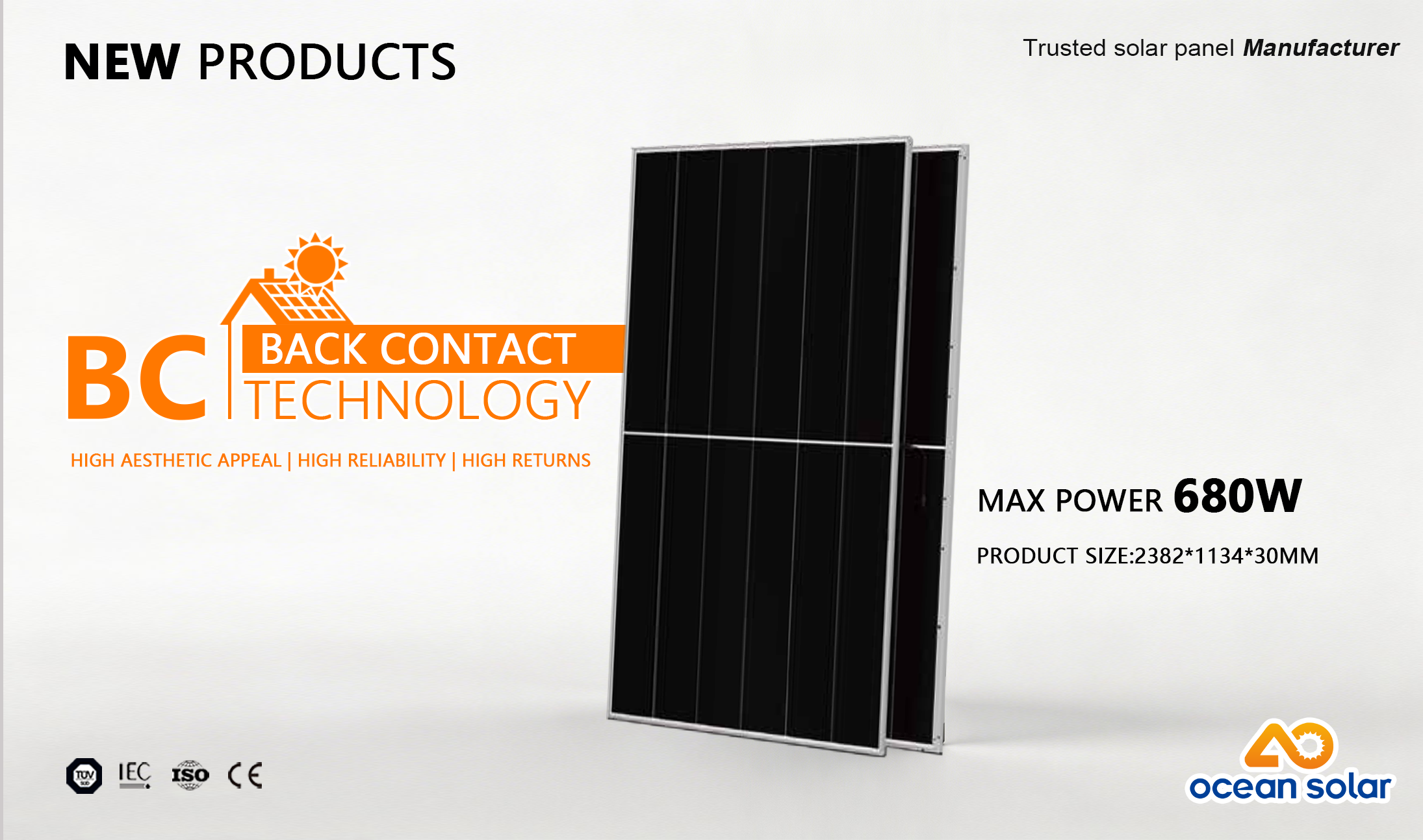
1.1.2 What are BC BackContact Solar Modules
1.1.2.1 Core Structure of BC BackContact Solar Cells
The most distinctive feature of BC backcontact cells is that all metallic frontside busbars and fingers are relocated to the rear surface of the silicon wafer. No shading silver lines remain on the cell’s front face, eliminating optical shading losses. This structural advantage delivers a higher theoretical efficiency ceiling compared to TOPCon technology.
1.1.2.2 Current Industrial Status of BC Products
1.1.2.2.1 ProductionCapacity Expansion Progress
2026 marks the breakout year for BC manufacturing capacity. Major PV manufacturers are retrofitting ageing PERC and conventional TOPCon production lines into BCenabled factories. Even so, total global BC production capacity still lags behind TOPCon, with a narrower pool of available suppliers at this stage.
1.1.2.2.2 Primary Application Markets
Residential rooftop solar systems, BuildingIntegrated Photovoltaics (BIPV), hightemperature distributed installations and rooftops exposed to frequent shading risks are the highestdemand usecases for BC modules.
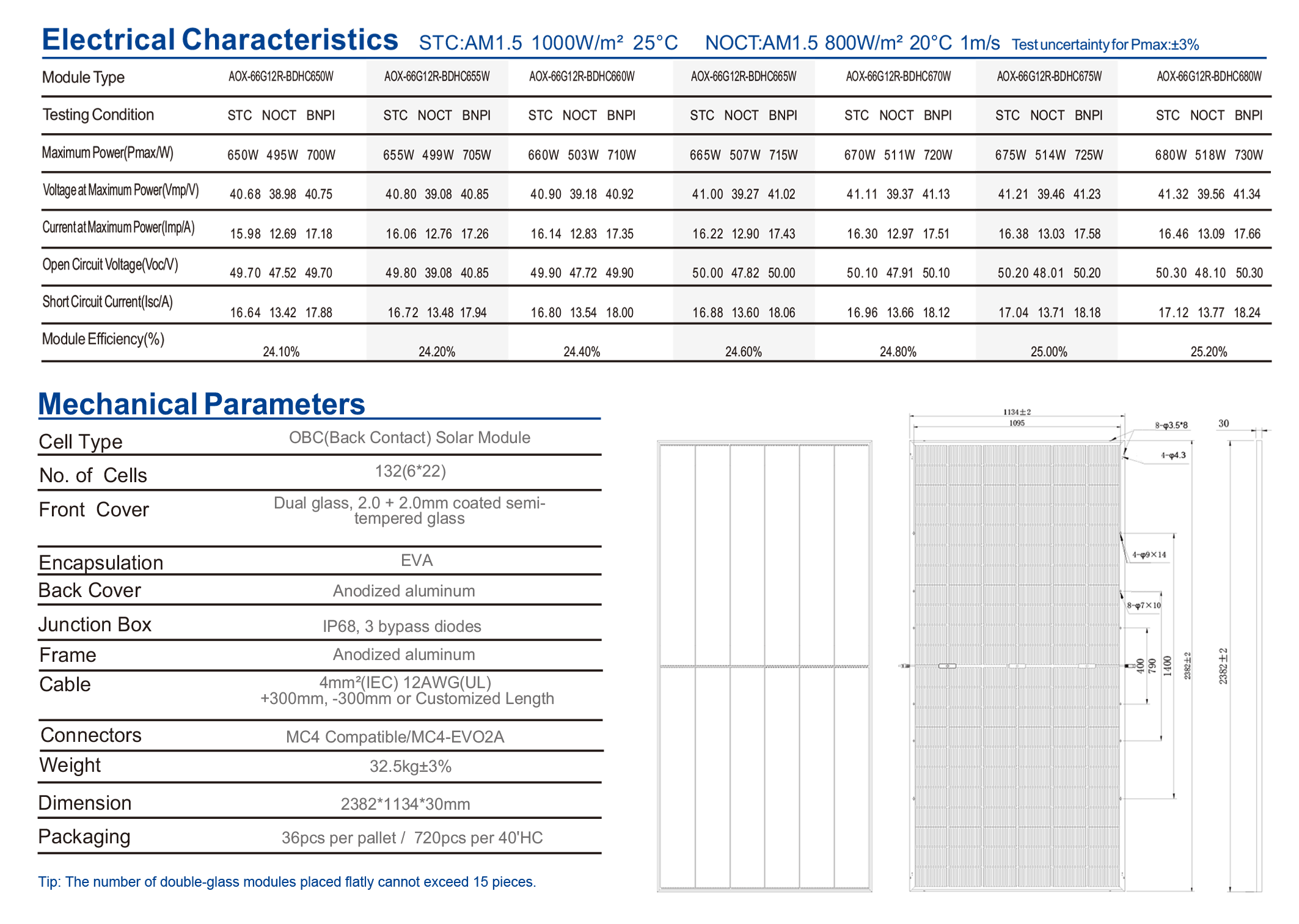
 BC MONO 650-680W(1).pdf
1.2 Neutral Comparison of Core ElectricalPerformance Metrics (Based on ThirdParty Test Data)
1.2.1 Photoelectric Conversion Efficiency and CTM Loss Comparison
1.2.1.1 Laboratory Efficiency Ceiling of Solar Cells
The theoretical efficiency limit for TOPCon technology stands at approximately 28.7%. By removing frontside electrode shading, BC backcontact cells reach a theoretical efficiency ceiling of 29.1%, offering greater longterm technical improvement potential.
1.2.1.2 CommercialGrade Module Efficiency Ranges in 2026
1.2.1.2.1 Massproduced TOPCon Efficiency
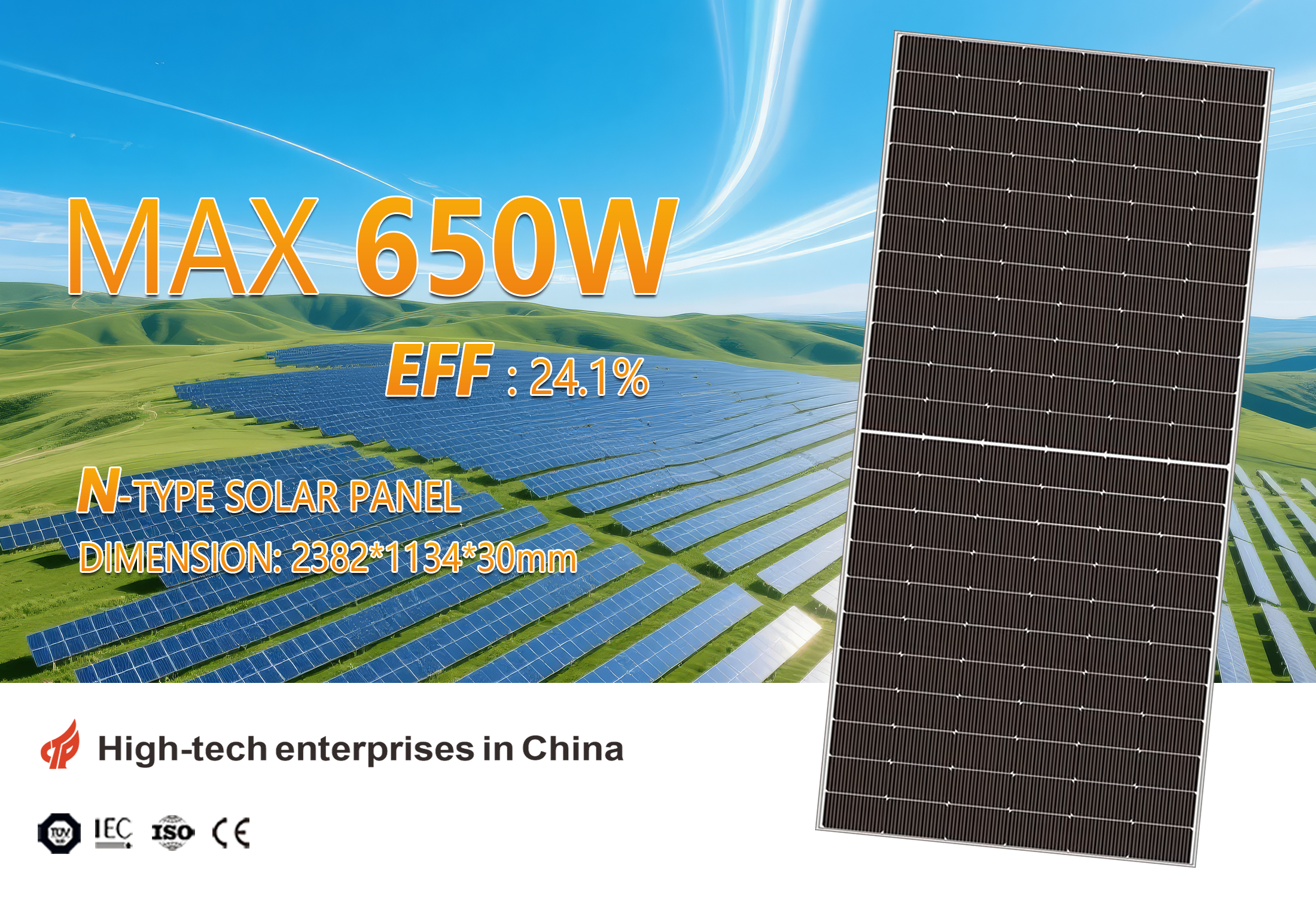
Current commerciallyavailable TOPCon modules deliver modulelevel efficiency between 24.0%24.3%. Toptier manufacturers have pushed peak massproduction efficiency past 24.1%.
1.2.1.2.2 Massproduced BC BackContact Efficiency
Commercial BC modules on today’s market achieve modulelevel efficiency from 24.8%25.5%. On a finishedmodule basis, BC holds a modest efficiency lead of 0.51.2 percentage points above standard TOPCon panels.
1.2.1.2.3 Analysis of CelltoModule (CTM) Loss Differences
CelltoModule loss describes efficiency reduction occurring while solar cells are laminated and assembled into finished modules. BC modules, despite high individualcell efficiency, generally record CTM losses of 0.20.5%, slightly higher than TOPCon. For this reason, buyers should always reference finishedmodule nameplate efficiency rather than standalone cell efficiency during procurement evaluations.
1.2.2 Temperature Coefficient and PowerGeneration Performance Under HighTemperature Conditions
1.2.2.1 Definition of the Temperature Coefficient
The power temperature coefficient indicates the percentage of power lost by a solar module for every 1°C rise in operating temperature. Lower negativevalue coefficients translate into reduced energy losses during hot weather — a critical performance indicator for rooftop installations across the Middle East and Southern Europe during summer heatwaves.
1.2.2.2 RealWorld ThirdParty Outdoor TestResult Comparison
1.2.2.2.1 Measured TemperatureCoefficient Range for TOPCon
Field testing carried out by independent PV validation platforms shows TOPCon modules deliver a power temperature coefficient of roughly 0.29%/°C.
1.2.2.2.2 Measured TemperatureCoefficient Range for BC BackContact Modules
BC backcontact panels commonly achieve temperature coefficients between 0.25%~0.26%/°C. BC modules generate marginally higher energy yields in hightemperature operating environments, and this performance advantage becomes more visible when rooftop operating temperatures rise above 70°C for extended periods.
1.2.3 BifacialPowerGeneration Performance Comparison
1.2.3.1 Gap in Bifaciality Rating
Standard TOPCon bifacial modules achieve a bifaciality rate of 80%85%. Most commerciallyreleased BC modules are currently designed as monofacial products; available bifacial BC variants only deliver a bifaciality of 55%60%, substantially lower rearside energy gains compared with TOPCon bifacial panels.
1.2.3.2 BifacialYield Analysis for Different Project Scenarios
1.2.3.2.1 HighAlbedo GroundMount Locations
At sites surrounded by snow, lightcoloured sand or reflective water surfaces, bifacial TOPCon panels capture an extra 510% energy gain from rearside irradiance, delivering clear financial benefits.
1.2.3.2.2 Standard Residential Rooftop Environments
Darktoned roof tiles and concrete rooftops normally deliver groundreflectivity levels below 20%. Under these circumstances, the additional power output from bifacial technology falls below 1%, eliminating most of TOPCon’s bifacial advantage and allowing highefficiency monofacial BC modules to take the lead.
1.3 Comparison of Reliability, HotSpot Risk and LongTerm Degradation Performance
1.3.1 ShadeResistance Capability and HotSpot Risk Differences
1.3.1.1 Practical Risks Caused by HotSpot Failures
Partial shading caused by fallen leaves, bird droppings, nearby buildings or overhanging trees is one of the most common issues for rooftop solar installations. Once shaded, affected solar cells switch from powergenerating units into resistive loads, creating localised overheating hotspots. Severe hotspot events accelerate module ageing and can even create potential fire hazards for distributed PV systems.
1.3.1.2 Comparative Shading Test Results from TÜV Rheinland
1.3.1.2.1 TOPCon ShadingTest Performance
Under test conditions where 50% of one solar cell was shaded, TOPCon modules experienced an average power loss of 36.48%, with peak hotspot temperatures exceeding 160°C, demonstrating high sensitivity to partialshading conditions.
1.3.1.2.2 BC BackContact ShadingTest Performance
Identical partialshading testing produced an average power loss of only 10.15% for BC modules, while peak hotspot temperatures ran approximately 70°C lower than TOPCon. Superior antihotspot and shadetolerance performance represents one of BC’s most prominent strengths, making BC wellsuited for urban rooftops exposed to recurring shading.
1.3.2 LongTerm Power Degradation and Warranty Term Comparison
1.3.2.1 FirstYear Degradation Performance
TOPCon modules typically record ≤1.0% power degradation in their first operational year. BC modules show firstyear degradation figures ranging from 1.3%2.4%, giving TOPCon a slight edge in earlystage degradation performance.
1.3.2.2 LongTerm Outdoor Degradation Empirical Results
1.3.2.2.1 FiveYear FieldTest Outcomes
Fiveyear realworld outdoor monitoring data reveals BC modules achieve cumulative degradation as low as 2.04%, outperforming TOPCon on longterm stability. BC panels also delivered strong results during UVageing accelerated reliability testing, indicating excellent multidecade operational durability.
1.3.2.2.2 Differences in Manufacturer Warranty Coverage
Most TOPCon modules on today’s market include a standard 25year linear power warranty. Multiple leading BCmodule brands have begun offering extended 30year linear power warranties, extending the upper limit of longterm project revenue.
1.4 SupplyChain, ProcurementCost and DeliveryStability Comparison (Top Concerns for B2B Distributors)
1.4.1 Current MarketPrice Levels and Premium Margins
1.4.1.1 TOPCon Module Market Pricing
Amid the solarpanel pricerecovery cycle of the second half of 2026, mature TOPCon production capacity delivers abundant onhand inventory, competitive perwatt pricing and low barriers to spotmarket procurement.
1.4.1.2 BC BackContact Module Market Pricing
At the present stage, BC modules carry a price premium of $$0.02$$0.04 per watt over standard TOPCon alternatives. Industry analysts widely forecast this premium will gradually shrink as largescale new BC production capacity comes online throughout 20262027.
1.4.2 SupplyChain Risks and LeadTime Comparison
1.4.2.1 SupplyChain Advantages of TOPCon
1.4.2.1.1 Wide Selection of Qualified Manufacturers
More than a dozen tier1 and tier2 PV factories maintain largevolume TOPCon shipment capabilities. Distributors can spread orders across multiple suppliers, minimising disruption risks.
1.4.2.1.2 Predictable Delivery LeadTimes
Standardised TOPCon modules are widely stocked, supporting fast turnaround for urgent replenishment orders and rapid inventory turnover for solar distributors.
1.4.2.2 SupplyChain Shortcomings of BC BackContact Modules
1.4.2.2.1 High Concentration of BC Production Capacity
BC manufacturing capacity remains concentrated among a small group of leading PV producers. The total pool of available BC suppliers is noticeably smaller compared to TOPCon.
1.4.2.2.2 YieldVariability Risks During NewLine RampUp
Numerous retrofitted BC productionlines are only being commissioned in late2026. Newfactory rampup phases can bring temporary fluctuations in production yield. Buyers placing largevolume BC orders are advised to verify massproduction stability from their selected supplier before confirming major contracts.
1.5 ProjectScenarioBased Sourcing Recommendations for Overseas EPC Contractors & Distributors
1.5.1 Project Types Where TOPCon Modules Are Recommended
1.5.1.1 LargeScale GroundMount SolarPower Plants
For open, unshaded sites with highalbedo sand or snowcovered terrain, bifacial TOPCon modules unlock substantial rearside energy gains and deliver excellent levelisedcostofelectricity outcomes.
1.5.1.2 BudgetConscious Commercial & Industrial Solar Projects Seeking Strong ShortTerm CostPerformance
1.5.1.2.1 Unobstructed, Open Factory Rooftops
Where rooftops are free from surrounding tree or buildingshading hazards, hotspot risks remain minimal. TOPCon’s costadvantage supports highly competitive investmentreturn rates.
1.5.1.2.2 Distributors Focused on HighVolume, LowMargin Penetration Markets
TOPCon represents a lowrisk, reliable mainstream product choice for pricesensitive enduser markets.
1.5.2 Project Types Where BC BackContact Modules Are Recommended
1.5.2.1 European Residential Rooftop Solar Markets
European residential rooftops frequently feature limited available roof space and partialshading risks. BC modules deliver premium allblack aesthetics, and local residential customers demonstrate high willingnesstopay, allowing distributors to secure healthier profit margins.
1.5.2.2 HighTemperature Distributed Solar Installations in the Middle East and Southeast Asia
1.5.2.2.1 Rooftops Operating Under Extended Summer HighTemperature Conditions
BC’s favourable temperature coefficient cuts energy losses during prolonged heat, maximising lifetime revenue for solar plants.
1.5.2.2.2 Older Urban Rooftops With Elevated Shading Risks
Frequent shading caused by nearby buildings, trees and bird waste raises hotspot failure risk. BC’s outstanding hotspot resistance reduces longterm maintenancerelated breakdowns.
1.6 Projected Market Trends for TOPCon and BC Technologies (20262028)
1.6.1 ShortTerm Market Landscape (20262027, 12Year Outlook)
1.6.1.1 TOPCon Will Maintain Its Dominant MarketShare Position
Existing capacity pipelines confirm TOPCon will remain the primary module of choice for largescale groundmount projects over the next two years. Rapid fullscale replacement of TOPCon by BC technology is not anticipated.
1.6.1.2 BC Modules Will Rapidly Capture HighValue DistributedMarket Niches
BC is unlikely to fully displace TOPCon. Instead, BC will prioritise market penetration in highmargin segments including residential solar and BIPV. A dualtrack Ntype coexistence model will emerge across the global PV industry.
1.6.2 LongTerm Industry Evolution Outlook (Post2028, 3+Year Horizon)
1.6.2.1 BC Holds Superior LongTerm Technical Upside Potential
From a cellstructure perspective, BC represents a promising longterm technology roadmap. The widespread rollout of 0BB silverfree manufacturing processes is projected to drive steady reductions in BC production costs.
1.6.2.2 TOPCon Will Not Be Phased Out Rapidly
Hundredsofmillions of dollars have been invested into existing TOPCon production infrastructure. These massive sunkcost assets will continue manufacturing TOPCon panels for 58 years and beyond, sustaining a multiyear coexistence of TOPCon and BC Ntype technologies.
1.7 ProcurementDecision SelfEvaluation Checklist for Overseas Solar Distributors
1.7.1 MarketOriented Evaluation Checklist
1.7.1.1 Do Local EndCustomers Prioritise Upfront Capital Costs or LongTerm EnergyYield Gains?
If your local buyers are highly costsensitive, TOPCon represents a safer, more conservative product selection. Where residential clients are prepared to pay extra for premium aesthetics and longterm performance, BC modules unlock higher profit margins for distributors.
1.7.2 ProjectEnvironment Evaluation Checklist
1.7.2.1 Do Local Rooftop Operating Temperatures Regularly Exceed 65°C During Summer?
For persistentlyhot climates, the energyyield benefits of BC panels should be prioritised. Open, highreflectivity groundmount sites should carry out a detailed financial evaluation of bifacial TOPCon’s rearside generation gains.
1.7.3 SupplyChainRisk Evaluation Checklist
1.7.3.1 Have You Secured a Reliable, Stable BC module Supplier?
Without a proven, trusted BC manufacturing partner, largevolume prestocking of BC panels carries elevated supplychain risk. TOPCon currently offers significantly lower procurementrisk exposure.
Conclusion
Neither BC backcontact modules nor TOPCon modules deliver universal, allround superior performance. TOPCon stands as the mature, dependable presentday solution, while BC technology represents a highprofitmargin futureoriented option for distributed solar niches. The most rational business strategy for overseas PV distributors is not to select one technology and discard the other. Instead, implement a dualproduct portfolio: use cost competitive TOPCon modules for highvolume baseline sales, and stock premium BC panels as your highmargin upgraded product offering. This multitechnology strategy allows distributors to meet diverse project requirements across varied enduser markets.
 English
 العربية
 Русский
 Español
 Português
 Deutsch
 italiano
 日本語
日本語 Nederlands
 Tiếng Việt
 ไทย
ไทย Polski
 Türkçe
 ພາສາລາວ
 ភាសាខ្មែរ
 Bahasa Melayu
 ဗမာစာ
ဗမာစာ தமிழ்
தமிழ் Filipino
 Bahasa Indonesia
 magyar
 Română
 Čeština
 Српски
 हिन्दी
 فارسی
فارسی Slovenčina
 Slovenščina
 Norsk
Norsk Svenska
 українська
 Ελληνικά
 Suomi
Suomi עברית
עברית Dansk
Dansk اردو
اردو বাংলা
বাংলা Hrvatski
 Eesti keel
 සිංහල
සිංහල latviešu
 Azərbaycan dili
 Български
 ગુજરાતી
 ಕನ್ನಡ
ಕನ್ನಡ Kurdî
Kurdî Lietuvių
 മലയാളം
 मराठी
मराठी پښتو
پښتو తెలుగు


 简体中文
简体中文
