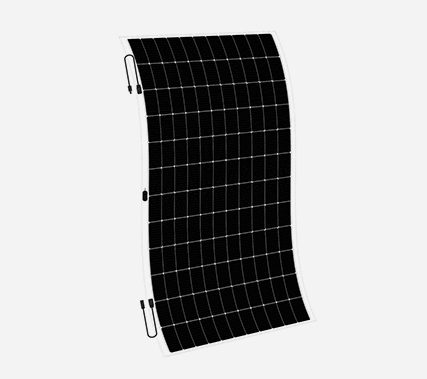
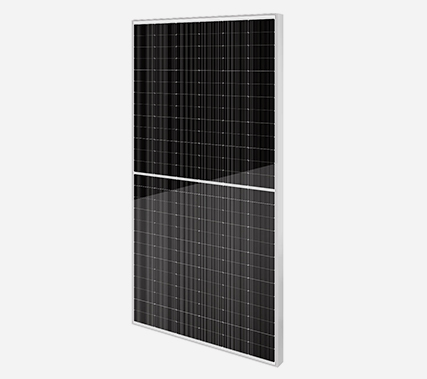
Today, two primary options shape industrial energy infrastructure.
These are traditional monofacial and advanced double-sided bifacial modules.
Choosing between them directly impacts your long-term corporate ROI.
The ideal panel depends entirely on your specific site layout.
Budget constraints and lifecycle financial goals also dictate the best choice.
In this post, you will learn how each technology functions.
We will compare their costs, efficiency, and real-world performance.
This helps you select the perfect system for your facility.
Understanding Traditional Monofacial Solar Panels for Business Use
Technical Design and Structure of Single-Sided Solar Panels
Monofacial panels feature a straightforward architectural blueprint optimized for one-sided light capture. They rely on high-transparency front tempered glass to shield internal components from harsh outdoor elements. Directly beneath this protective glass lies a layer of ethylene-vinyl acetate (EVA) encapsulant. It securely bonds the glass layer to the high-efficiency monocrystalline silicon cells. These cells serve as the core engine converting raw sunlight into clean electrical energy. The bottom layer utilizes a single opaque backsheet design rather than a dual-glass layout. This specialized backsheet effectively blocks all rear light reflection from entering the photovoltaic cells. It keeps the structural footprint highly simplified while protecting the underlying electrical circuits. This reliable construction makes them a standard fixture in commercial clean energy deployment worldwide.
●Traditional monofacial modules utilize high-grade tempered glass on the front to withstand intense hail and wind loads. This durable barrier protects the internal monocrystalline silicon cells from moisture penetration over their operational lifetime. We find that this structural arrangement keeps the manufacturing pipeline highly cost-effective for large commercial projects.
●The defining element of this design is the heavy-duty opaque composite polymer backsheet layer. It entirely blocks rear-side light absorption, meaning the module relies solely on direct front-facing sunlight. We prefer this layout when installing systems on rooftops where ambient backlighting is completely unavailable.
●Internal layers feature robust EVA encapsulant materials that tightly seal the delicate photovoltaic cells against degradation. They cushion the silicon wafers against mechanical stress during transit and heavy roof installation. This proven layout ensures the system maintains predictable power outputs for multiple decades of commercial operation.
How Traditional Monofacial Solar Panels Generate Power
The power generation mechanism follows a standard, predictable photovoltaic conversion process on the building roof. Photons from direct sunlight strike the front-facing monocrystalline surface to excite internal electrons. This continuous atomic movement generates a steady direct current (DC) inside the cell matrix. The system then routes this DC power through a centralized industrial inverter setup. This commercial equipment efficiently transforms the raw energy into usable alternating current (AC). Modern industrial monofacial setups reliably deliver standard conversion efficiency ranges between 20.8% and 23.5%. This specific rating provides ample energy density for most standard warehouse rooftop configurations. It delivers consistent daytime electricity to significantly lower high corporate utility grid demands.
●Sunlight hits the front surface of the monocrystalline cells to initiate the standard photovoltaic effect. Electrons detach from the silicon atoms and flow through built-in metallic busbars as direct current. We track this daily output through smart commercial monitoring software to verify building energy offsets.
●These single-sided modules operate at predictable conversion efficiency baselines ranging from 20.8% to 23.5% under standard test conditions. They perform exceptionally well during peak daylight hours when the sun sits directly above the commercial facility. This efficiency curve fits perfectly with typical daytime corporate electricity consumption patterns.
●The system relies heavily on optimal ambient tilt angles to capture maximum direct front-side solar radiation. Because the backsheet is completely dark, any light bouncing off the roof surface goes entirely uncollected. We calculate these precise mounting angles during the initial engineering phase to maximize daily output.
Core Advantages of Monofacial Solar Panels in Commercial Applications
Monofacial arrays offer clear financial advantages regarding upfront procurement capital and overall engineering complexity. They feature a significantly lower initial price point compared to double-sided technological alternatives. This cost difference reduces initial Balance of System (BOS) expenditures for budgeting corporate managers. Their simplified installation requirements allow mechanical crews to mount the arrays quickly and safely. They feature lightweight footprints that drastically lower structural load demands on aging industrial facility roofs. Engineering teams do not need to reinforce old roof trusses before beginning deployment. This advantage speeds up project timelines and shortens the path to corporate energy independence.
Commercial Metric
Monofacial Material Baseline
Operational Business Benefit
Upfront Procurement
Low Initial Capital Expense
Fast Project Budget Approval
Structural Module Weight
Lightweight Single-Glass Design
Minimal Roof Stress and No Reinforcement
Racking Requirements
Standard Flush-Mount Systems
Reduced Mechanical Labor Expenditures
Electrical BOS Layout
Simplified Single-String Inverters
Decreased Hardware Component Costs
●Procurement managers choose these modules because they offer a much lower upfront capital cost premium. They help businesses achieve rapid payback milestones without stretching initial corporate infrastructure budgets too thin. We recommend this path for companies operating under strict immediate capital expenditure limits.
●Their lightweight single-glass construction places minimal structural strain on wide-span industrial metal roofs. They eliminate the need for expensive structural engineering reinforcement inspections prior to panel mounting. This characteristic keeps the entire mechanical installation process highly streamlined and completely predictable.
●The standard mechanical racking infrastructure requires less heavy steel spacing hardware during field deployment. Installation crews spend fewer hours configuring complex tilting systems because flush-mounting works perfectly with this hardware. This simplicity directly translates into massive labor cost savings during the physical build phase.
Head-to-Head Evaluation Matrix: Monofacial vs. Bifacial Solar Panels
Comprehensive Comparison Table for Commercial Project Developers
Choosing between these technologies requires a deep look at core operational metrics. Commercial buyers must balance immediate field expenses against long-term operational advantages. We put together this master layout to help your team evaluate the physical and fiscal realities. It isolates key technical variables so you can choose the correct hardware for your upcoming development.
Performance Metric
Monofacial Solar Panels
Bifacial Solar Panels
Upfront Purchase Cost
Baseline pricing (5%–10% lower)
Premium pricing (5%–10% higher)
Annual Power Yield
Standard baseline generation
10%–30% extra energy yield
Racking/Space Demands
Low clearance; flat flush mounting
Elevated structures; strict row spacing
Durability/Lifespan
Standard 25-year lifecycle polymer
Superior 30-year dual-glass layout
Structural Weight Parameters
Lightweight single-glass profile
Heavier double-glass architecture
Initial Investment Cost vs. Long-Term Revenue & Payback Timelines
Procurement managers often favor traditional single-sided modules due to their friendly upfront economics. Monofacial options are generally 5% to 10% cheaper to purchase initially. This pricing gap helps corporate budgets stay on track during early development phases. However, the long-term financial picture changes drastically once the array goes online. Double-sided systems capture extra light from the ground to boost performance. They regularly generate 10% to 15% higher total revenue over a typical 25-to-30-year lifecycle.
●Monofacial hardware choices lower your immediate capital expenditure during the procurement phase. They allow companies to achieve faster initial payback milestones on standard dark commercial roofs. We see businesses hit their financial targets early when front-side absorption is the only viable option.
●Bifacial modules require a slightly larger initial financial commitment from your corporate treasury team. They quickly make up for this price premium by delivering massive energy gains over time. We calculate that the extra power yield easily outpaces the upfront cost within a few operational years.
●Commercial assets protected by a 30-year linear output warranty ensure reliable green power generation. The dual-glass structure cuts down on annual degradation and survives harsh outdoor environments. They protect your initial capital investment by extending the total profitable life of the facility.
Integrating advanced double-sided arrays impacts your physical layout and overall electrical system design. These setups require specialized elevated racking infrastructure to prevent severe rear-side shading. We must elevate the modules higher off the ground or roof surface. This height allows ambient reflected light to reach the underside of the monocrystalline cells. This mechanical requirement increases the structural steel and aluminum demands for the racking system.
●Electrical engineers must design the inverter sizing carefully to handle sudden rear-side power surges. The underlying string design needs to accommodate higher current loads coming from the dual-surface generation. We install heavy-duty electrical components to protect the system during peak albedo hours.
●Elevated mounting setups demand more physical space and precise row spacing configurations across the site. Tight spacing chokes off ambient ground reflectivity and ruins the bifacial advantage entirely. We map out the coordinates beforehand to ensure maximum light reaches every single row.
●Lightweight single-sided setups attach directly to existing roof structures without adding expensive reinforcing steel support. They keep the physical labor hours low and match standard off-the-shelf racking hardware. We select them for older industrial buildings to bypass complex structural engineering challenges.
Commercial Scenarios: When to Deploy Monofacial vs. Bifacial Systems
When to Choose Monofacial Solar Panels for Your Facility
Flush-mounted installations on dark tile, asphalt, or rubber membrane commercial roofs deliver excellent results with single-sided hardware. These traditional rooftop surfaces possess very low light reflectivity, meaning they absorb raw sunlight rather than bouncing it backward. We routinely recommend standard single-sided setups when a building surface cannot provide any meaningful ambient albedo effect. Spending extra corporate capital on double-sided features becomes entirely wasteful if the backside receives zero light. This makes single-sided hardware the smartest economic choice for standard dark industrial roof layouts.
●Flush-mounted mechanical racking setups attach directly against the existing building deck to minimize wind resistance. This tight structural positioning chokes off ambient air and light from reaching the back of the array. We find it impossible to capture rear energy gains when local building codes force flat mounting profiles.
●Distributed energy systems with absolute upfront capital budget limits benefit greatly from these economical hardware choices. They allow procurement managers to maximize immediate surface coverage without overspending on advanced dual-glass structural premium options. We prefer this path when corporate treasury teams demand rapid, low-risk project payback timelines.
●Complex commercial roof spaces often suffer from severe structural obstructions like HVAC units, vents, and storage enclosures. These physical barriers create tight shading parameters that constantly shift across the site during peak daylight hours. Traditional single-sided modules handle these irregular shadow patterns much better without ruining system-wide circuit balancing.
When to Choose Bifacial Solar Panels for Your Facility
Large ground-mounted utility-scale arrays and agrivoltaic installations achieve massive performance gains by deploying double-sided technology. These expansive open environments allow plenty of ambient light to bounce off the dirt, gravel, or crops below. We elevate the tracking hardware high off the ground to let diffused light reach the undersides. This structural layout maximizes double-sided generation and lowers the overall度电成本 (LCOE) for the facility. It transforms standard open fields into highly productive dual-income commercial energy assets.
Target Commercial Environment
Primary Surface Profile
Expected Bifacial Generation Gain
Flat Commercial Rooftops
White TPO / Clear Concrete
10% – 15% Performance Increase
Agrivoltaic Solar Farms
Green Crops / Natural Soil
15% – 20% Energy Expansion
Ground-Mounted Arrays
High-Albedo Light Gravel
20% – 25% Output Optimization
Harsh Snowy Latitudes
Solid Ice / Fresh Winter Snow
25% – 30% Peak Winter Yield
●Flat commercial rooftops equipped with high-albedo coatings like white TPO provide the ultimate environment for double-sided arrays. The bright white membrane reflects clean ambient sunlight directly up into the active rear monocrystalline cells. We see warehouse operators achieve incredible generation boosts by pairing modern reflective membranes with double-sided hardware.
●Floating PV projects and coastal operations leverage the natural reflectivity of open water to maximize daily power yields. These unique aquatic environments provide excellent ambient cooling that keeps the internal silicon operating at peak efficiency. We deploy these specialized dual-glass systems because they withstand intense moisture and high humidity without degrading.
●Industrial setups operating in high-latitude snowy environments capture massive bonus energy during harsh winter months. Fresh white snow has an exceptionally high albedo rating that bounces intense sunlight backward into the array. The rugged dual-glass packaging easily survives heavy freezing loads, wind stress, and intense thermal expansion.
Conclusion and Strategic Decision Framework
No single type of solar panels fits every business.
The ideal choice depends entirely on your specific site constraints.
Follow this quick checklist to make your final choice.
First, analyze your roof profile or ground surface reflectivity.
Second, weigh immediate upfront budgets against long-term energy yields.
Finally, contact a qualified expert for custom OEM or ODM options.
This simple process guarantees the highest financial return for your company.
 English
 العربية
 Русский
 Español
 Português
 Deutsch
 italiano
 日本語
日本語 Nederlands
 Tiếng Việt
 ไทย
ไทย Polski
 Türkçe
 ພາສາລາວ
 ភាសាខ្មែរ
 Bahasa Melayu
 ဗမာစာ
ဗမာစာ தமிழ்
தமிழ் Filipino
 Bahasa Indonesia
 magyar
 Română
 Čeština
 Српски
 हिन्दी
 فارسی
فارسی Slovenčina
 Slovenščina
 Norsk
Norsk Svenska
 українська
 Ελληνικά
 Suomi
Suomi עברית
עברית Dansk
Dansk اردو
اردو বাংলা
বাংলা Hrvatski
 Eesti keel
 සිංහල
සිංහල latviešu
 Azərbaycan dili
 Български
 ગુજરાતી
 ಕನ್ನಡ
ಕನ್ನಡ Kurdî
Kurdî Lietuvių
 മലയാളം
 मराठी
मराठी پښتو
پښتو తెలుగు


 简体中文
简体中文