Lithium Battery Guide: Types, Advantages, Lifespan, And Common Applications
You are here: Home » Blog » Lithium Battery Guide: Types, Advantages, Lifespan, And Common Applications
Lithium Battery Guide: Types, Advantages, Lifespan, And Common Applications
Views: 0 Author: Site Editor Publish Time: 2026-08-18 Origin: Site
A “long-lasting battery” sounds simple, but specs can be tricky. Do you know what truly limits a Lithium Battery?
This guide breaks down how different lithium chemistries work. You’ll learn why lifespan depends on how you use and charge it.
In this post, you’ll explore common Lithium Battery applications in everyday life and energy storage. You’ll compare options with confidence, without drowning in technical overload.
What Exactly Is a Lithium Battery?
A Lithium Battery is a practical energy system. It stores energy inside chemical materials and then releases it as electricity. Most modern ones are lithium-ion, meaning lithium moves between anode and cathode during charge and discharge.
What matters is this: “Lithium Battery” isn’t one single product. It’s a family of technologies. Manufacturers mainly differentiate them by cathode chemistry, and that chemistry shapes safety, efficiency, energy density, and cycle life.
Key Terms You’ll See Everywhere
Before you compare models, learn the labels that drive the numbers. These terms help you read datasheets without guesswork, and they keep you from mixing “marketing capacity” with real usable performance.
Cycle life: How many charge–discharge cycles it can handle before capacity drops to a target level.
Depth of discharge (DoD): How much of the battery’s capacity you use each cycle, often discussed as a percent.
Energy density: Energy stored per weight or volume, usually tied to portability and range.
Power output: How much power it can deliver at once for loads, like appliances or inverters.
State of charge (SoC): How full the battery is right now, shown as a percent.
Here’s a quick “spec reading” cheat sheet you can reuse when comparing different Lithium Battery listings.
Term
What It Tells You
Why It Changes Real Performance
Cycle life
Expected cycles before notable aging
Predicts long-term cost, not just day-one capacity
DoD
How deep each daily cycle goes
Deeper cycles often shorten lifespan if pushed too far
Energy density
Energy per mass/volume
Affects system size and installation convenience
Power output
Peak and continuous delivery
Determines whether loads run smoothly
SoC
Current usable reserve
Helps plan backup duration during outages
How Lithium Batteries Are Commonly Used
Different jobs need different battery traits. The easiest way to choose is to match the application to what the chemistry supports well.
For example, consumer devices usually care about compact size and stable everyday power. EVs care about energy density and safe repeated cycling under heavy use. Solar systems care about long cycling and predictable performance when the sun disappears.
A simple usage map looks like this:
Application
What People Usually Want
Why Lithium Fits
Consumer electronics
Small size, stable voltage
Common lithium-ion designs balance weight and everyday efficiency
EVs and mobility
Range + repeat charging
High energy density supports driving distance; cycle life affects fleet economics
Renewable energy storage
Long-cycle safety and consistency
Used for off-grid and backup where cycles repeat daily or seasonally
Marine/RV power
Deep cycling, reliability on the road
Designed for deep discharge patterns without frequent maintenance
Backup/critical loads
Predictable runtime and safe operation
Needs stable power so equipment runs through outages
In solar and off-grid projects, many teams prefer LiFePO4-style safety expectations when the priority is fewer worries during daily storage cycles. That’s also why some brands—like Ocean Solar—position their Lithium Battery offerings around LiFePO4 (LFP) for residential backup and off-grid energy storage scenarios, paired with long-term support and integrated system thinking.
Even if you’re not shopping a complete system, this mindset helps. When you know the load profile and cycling rhythm, they guide the Lithium Battery choice more accurately than capacity alone.
Types of Lithium Batteries (By Chemistry)
Chemistry decides how a Lithium Battery behaves under load. It shapes the safety margin, aging speed, and how the voltage “feels” during discharge. So when you see two cells with the same capacity rating, they still can perform very differently in the real world.
Here’s the practical way to think about it. Teams rarely choose chemistry for one magic number. They choose based on how often they cycle, how deeply they discharge, and how cautious they want the system to be around heat and misuse.
Lithium Iron Phosphate (LiFePO4 / LFP) Lithium Battery
LFP is the safety-first choice for many solar backup and off-grid setups. It uses a cobalt-free cathode approach and has strong thermal stability. That matters because fewer teams want to bet their installations on worst-case thermal behavior.
What you’ll notice day to day is steadier discharge behavior. Users often like that the voltage stays more consistent through a large part of the discharge window. That improves how inverters and household loads run, especially when power is tight.
Best-fit scenarios are long-cycle storage and repeat daily cycling
Common focus points are low thermal runaway risk and consistent output
Many companies, including Ocean Solar, position LFP-based Lithium Battery options for residential and off-grid energy storage needs
NMC aims at a different balance: higher energy density and strong power capability. If you’re building for space or weight limits, NMC often looks attractive because it can deliver more stored energy per mass than LFP.
But the trade-offs show up in lifecycle planning. Compared to LFP, teams typically manage deeper cycling and tighter charge conditions more carefully. That’s not “bad chemistry,” it’s just a different design target.
Lithium Cobalt Oxide (LCO) Lithium Battery
LCO is commonly associated with compact electronics. You’ll see it where size and energy density matter more than repeated deep cycling. Its strengths fit small-device duty cycles well.
In long-cycle energy storage, however, LCO is often limited by shorter lifespan expectations and safety concerns under heavier stress. For solar backup and off-grid projects, the overall risk-to-longevity ratio usually doesn’t match the job.
Lithium Manganese Oxide (LMO) Lithium Battery
LMO often comes up in discussions about fast response and strong specific power. That makes it worth mentioning when readers see “power” emphasized in product marketing.
Still, it’s not always the first pick for deep cycling. Many buyers encounter LMO more in specialized designs than in mainstream long-duration storage. If your project is cycling-heavy, it helps to compare DoD strategy and cycle-life claims line-by-line.
Lithium Titanate (LTO) Lithium Battery
LTO is known for “ultra-long life, ultra-safe” positioning. The major selling point is longevity resilience, which fits environments where batteries must endure heavy usage and harsh conditions.
The catch is usually practical: higher cost and lower energy density. If your priority is extreme cycle count over maximum energy per size, LTO becomes logical. If you need to minimize footprint, other chemistries often win.
Below is a quick chemistry comparison you can use to orient decisions, without treating it as a final spec sheet.
Lithium Battery Lifespan: What “10–15 Years” Really Means
That “10–15 years” line looks comforting. Then you compare two product pages and notice the numbers don’t match. With a Lithium Battery, “years” only makes sense after you know the usage conditions behind them—especially cycling and temperature.
Lifespan is usually described in two ways. One is how long it lasts on the calendar. The other is how many cycles it survives before capacity drops to a defined level. Many datasheets use a “to 80% capacity” benchmark, so readers can compare chemistries on a more common rule.
Cycle Life vs Calendar Life
Cycle life is about repeated charge and discharge. Each full cycle wears the cells down a bit. Depth of discharge (DoD) controls how much wear you cause each time, because deeper use stresses the battery more.
Calendar life is about time passing while the battery sits in conditions. Heat, storage state of charge, and charging habits can age it even when it isn’t cycling every day. So two homes could both buy the same Lithium Battery type, then see different outcomes.
Here’s how to read “to 80%” claims. When the spec says cycle life “to 80% capacity,” it means the manufacturer expects the battery to keep at least 80% of its original capacity by that cycle count. That helps when comparing different Lithium Battery types, because not everyone tests with identical daily usage.
If your system cycles daily, cycle life dominates the story
If your system stores for long periods, calendar life matters more
If your environment runs hot, both speed up aging
Typical Lifespan Ranges by Chemistry (Quick Comparison)
These ranges are the kind people often see in industry references. The numbers below use the same “to 80% capacity” framing so you can compare apples to apples.
Chemistry
Typical cycle expectation
Typical life expectation
LTO
10,000–15,000+ cycles
~15–20 years
LFP
2,000–6,000+ cycles
~10–15 years
NMC
1,000–2,000 cycles
~5–10 years
LCO
300–500 cycles
~2–4 years
For many solar backup projects, LFP-style choices align well with the “daily cycling” reality. Ocean Solar’s positioning for LiFePO4-based storage also matches this long-cycle expectation people want from residential and off-grid systems.
The Biggest Factors That Change Lithium Battery Longevity
A good Lithium Battery chemistry helps, but longevity still comes down to how the system treats it. The biggest levers are temperature, DoD habits, and charging limits. Even a strong chemistry can age early if charging and protection settings don’t match.
Watch these factors closely:
Temperature extremes: Heat accelerates aging and increases stress; cold can reduce usable performance
DoD habits: Frequent deep cycling usually shortens lifespan compared to shallower cycling
Charging limits: Overcharging or pushing unsafe voltage windows speeds degradation
Protection quality (BMS + charger/inverter pairing): Mismatched profiles can shorten life even with a solid battery
This is why B2B buyers care about system-level compatibility, not just cell specs. In practice, the inverter/charger and BMS need to cooperate, or the battery ends up compensating for poor operating conditions.
How to Extend Lithium Battery Lifespan
You can’t control every variable, but you can control the daily behavior of the system. The goal is simple: reduce unnecessary deep cycling, stay within recommended charge/discharge windows, and prevent overheating.
Here’s what typically works in real deployments:
Avoid deep discharge when backup needs are low; use smaller “daily swing” ranges when possible
Follow recommended charge rates and voltage limits instead of pushing “fast charging” repeatedly
Keep airflow and installation conditions reasonable so heat doesn’t build up around the pack
Ensure BMS protection and the inverter/charger settings are aligned to the chemistry and operating profile of the Lithium Battery
Common Applications of Lithium Battery Systems
Buyers don’t shop chemistry first. They start from the job. Then they choose the Lithium Battery type that matches cycling habits, safety needs, and expected runtime.
So we’ll go by real scenarios, because that’s how purchasing conversations sound in the field. People also care about long-term cost, not just the first purchase price.
Consumer Electronics
Portable devices need light weight and stable day-to-day power. That’s why many consumer designs favor chemistries built for frequent partial use. The trick is matching the battery’s spec priorities to the device needs.
Here’s what usually drives the choice:
Size and weight matter more than maximum deep-cycle life
Voltage stability affects device performance during battery drain
Cycle expectations depend on charge habits, not just rated capacity
Even when a device uses lithium-ion, it’s still a Lithium Battery system at the user level: the phone or camera experience relies on the pack’s internal design and protection, not only the cell’s chemistry.
Electric Vehicles (EVs)
EVs raise the stakes. They demand both energy density and reliable cycling. Energy density helps range. Cycle life helps fleets avoid early replacement.
For heavy-duty or fleet use, the math shifts. They care about predictable aging under frequent charging cycles, higher duty loads, and sometimes harsher environmental temperatures.
A practical way to compare EV battery behavior:
Energy density: supports longer distance per pack size
Cycle life: determines how many charge cycles before capacity drops
Safety margin: influences confidence in repeated real-world operation
Renewable Energy Storage (Solar + Off-Grid)
For solar, the battery’s job is simple: store daytime power and deliver it at night, during cloudy hours, or when the grid fails. That makes Lithium Battery storage central to self-consumption and backup performance.
In many residential and off-grid setups, LFP-style chemistry is commonly selected because it’s built around long-cycle safety and consistent output. Those traits match the daily rhythm of charging from PV and powering household loads.
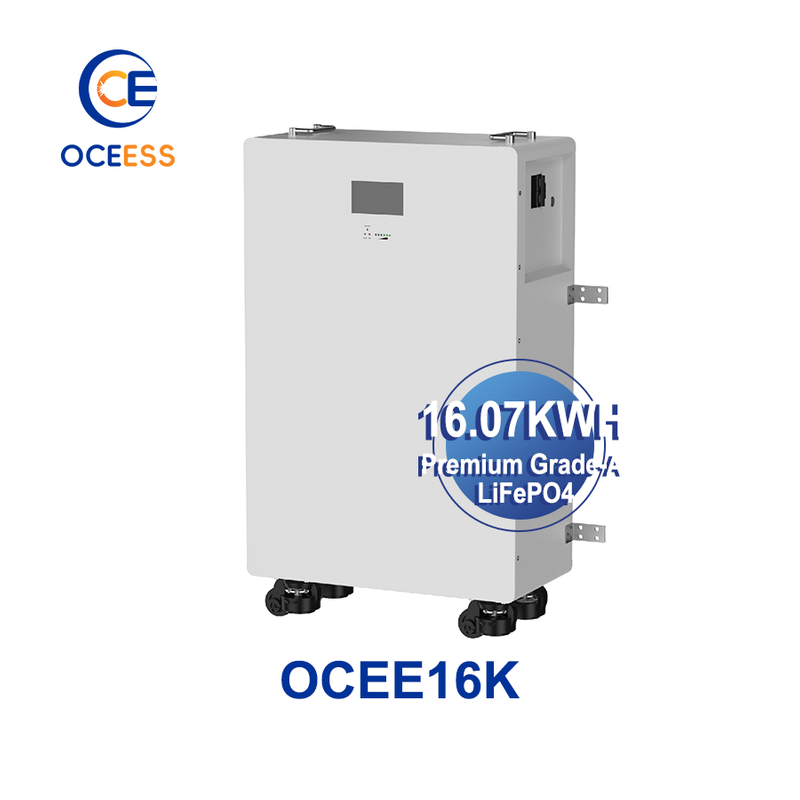
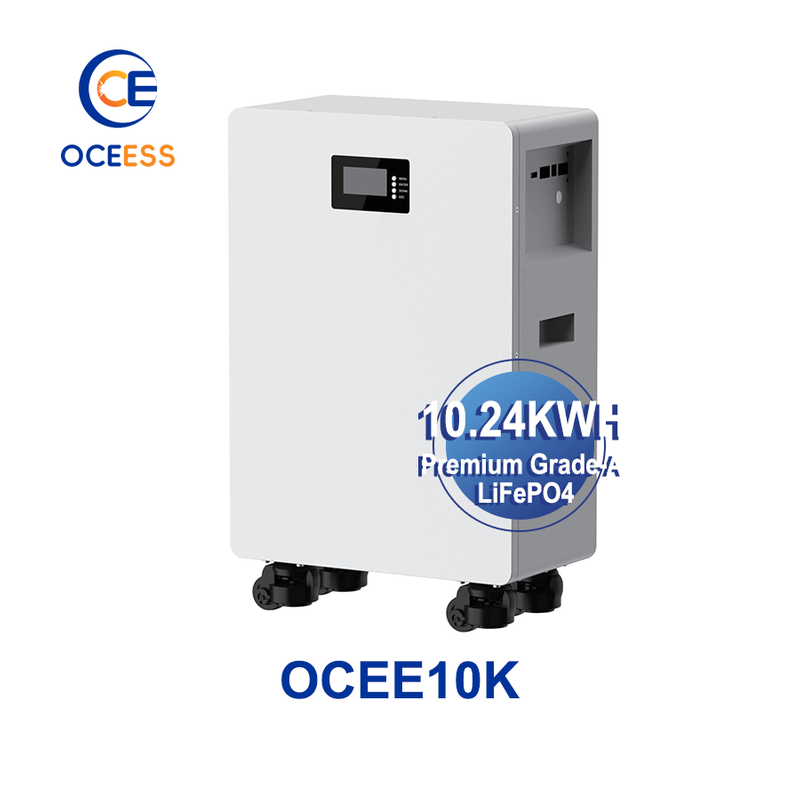
Ocean Solar’s energy storage solutions are built around LiFePO4 (LFP) in its OCEESS series, positioned for residential backup and off-grid storage. This aligns with the safety and long-cycle expectations buyers look for when planning years of everyday cycling.
Here’s a compact scenario view for solar buyers.
Solar scenario
What the buyer wants
Why this matters for Lithium Battery choice
Residential backup
predictable runtime and stable discharge
supports household loads during outages
Off-grid systems
long-cycle reliability and safe storage
handles repeated charge/discharge daily
Growing capacity needs
modular expansion options
lets teams scale without replacing everything
Marine and RV Power
Boats and RVs often see deep cycling and irregular usage. They also sit in environments where maintenance schedules are annoying and access can be difficult. That’s where sealed lithium solutions help.
A lithium pack can reduce frequent maintenance compared to older lead-acid approaches. It also supports long-duration onboard power for appliances and electronics without the same “check-and-top-up” routine.
For many buyers, the real win is operational convenience. They stop thinking about batteries and start thinking about trips.
Heavy Industrial and Medical Backup
In uptime-sensitive environments, downtime has a direct cost. Medical devices, industrial control systems, and critical communications equipment need predictable backup behavior and a conservative safety approach.
Here, the Lithium Battery value isn’t just efficiency. It’s risk reduction over time, through dependable lifespan behavior and safer operation under daily system conditions. Buyers want fewer surprises, longer service intervals, and consistent performance so the equipment stays online when it must.
Conclusion and Next Steps
Different Lithium Battery types behave differently. Safety, lifespan, and deep-cycle fit depend on chemistry and use.
So compare more than capacity and voltage, including “to 80% capacity” cycle life.
Also check DoD expectations and how your system runs in heat and daily cycling.
FAQ
Q: What does “cycle life to 80% capacity” mean for a Lithium Battery?
A: It means the battery is expected to keep at least 80% of its original capacity after a stated number of charge-discharge cycles, under test conditions.
Q: Which Lithium Battery type is the safest for long-term storage?
A: LiFePO4 (LFP) is often chosen for safer, long-cycle backup and off-grid storage, thanks to stronger thermal stability and lower thermal runaway risk.
Q: Can Lithium Batteries be discharged deeply every day without damage?
A: Deep daily discharge usually shortens lifespan. Longevity depends on chemistry, depth of discharge (DoD), temperature, and charge limits.
Q: How do I compare lifespan across different Lithium Battery chemistries?
A: Compare using the same benchmark, commonly “to 80% capacity,” and ensure assumptions match: DoD, charge method, and operating temperature.
Q: What is DoD and why does it impact Lithium Battery lifespan?
A: DoD is the percent of capacity used per cycle. Higher DoD typically increases wear, reducing cycle life and overall lifespan.
 English
 العربية
 Русский
 Español
 Português
 Deutsch
 italiano
 日本語
日本語 Nederlands
 Tiếng Việt
 ไทย
ไทย Polski
 Türkçe
 ພາສາລາວ
 ភាសាខ្មែរ
 Bahasa Melayu
 ဗမာစာ
ဗမာစာ தமிழ்
தமிழ் Filipino
 Bahasa Indonesia
 magyar
 Română
 Čeština
 Српски
 हिन्दी
 فارسی
فارسی Slovenčina
 Slovenščina
 Norsk
Norsk Svenska
 українська
 Ελληνικά
 Suomi
Suomi עברית
עברית Dansk
Dansk اردو
اردو বাংলা
বাংলা Hrvatski
 Eesti keel
 සිංහල
සිංහල latviešu
 Azərbaycan dili
 Български
 ગુજરાતી
 ಕನ್ನಡ
ಕನ್ನಡ Kurdî
Kurdî Lietuvių
 മലയാളം
 मराठी
मराठी پښتو
پښتو తెలుగు


 简体中文
简体中文