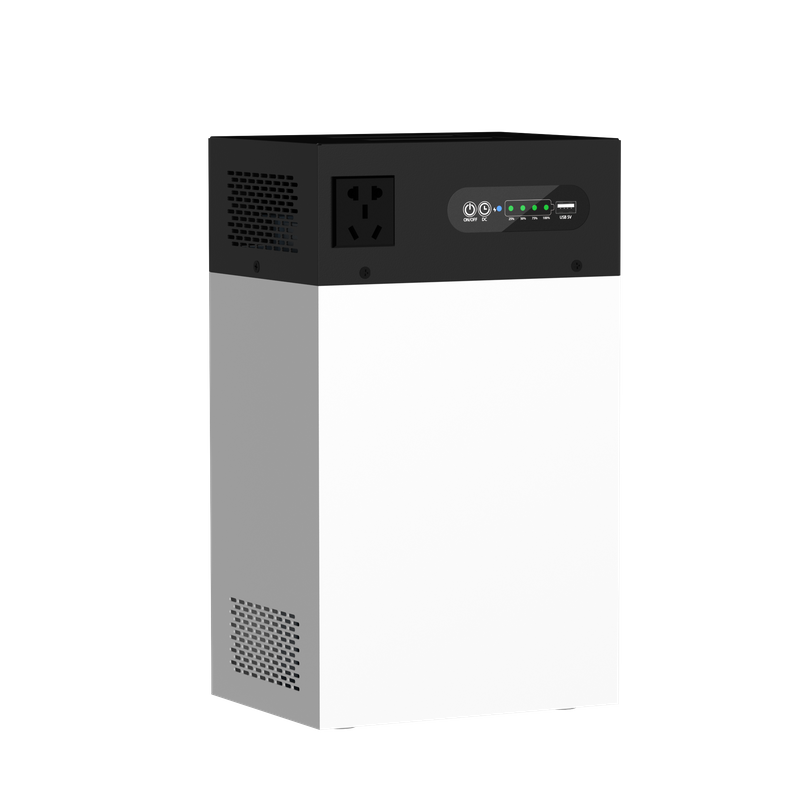
How To Choose The Right Energy Storage System: Battery Capacity, Inverter Power, Safety, And Backup Time
You are here: Home » Blog » How To Choose The Right Energy Storage System: Battery Capacity, Inverter Power, Safety, And Backup Time
How To Choose The Right Energy Storage System: Battery Capacity, Inverter Power, Safety, And Backup Time
Views: 0 Author: Site Editor Publish Time: 2026-07-18 Origin: Site
Are you ready to harness the power of energy storage? Choosing the right energy storage system can transform your energy management.
In this article, we’ll explore essential factors, such as battery capacity, inverter power, safety, and backup time.
You’ll learn how to evaluate your options and make informed decisions for both residential and commercial needs.
Understanding Energy Storage Systems
Energy storage systems (ESS) are essential for managing energy efficiently. These systems store energy for later use, helping to balance supply and demand. They play a critical role in both residential and commercial settings, allowing users to optimize their energy usage and reduce costs.
Definition of Energy Storage Systems
At its core, an energy storage system captures energy when it's plentiful and releases it when needed. This capability is crucial for integrating renewable energy sources like solar and wind into our daily lives. By storing excess energy generated during peak production times, we can ensure a steady supply during high-demand periods.
Types of Energy Storage Systems
There are several types of energy storage technologies available today, each with unique characteristics:
Lithium-Ion Batteries:
Widely used due to their high energy density and efficiency.
Common in portable electronics and electric vehicles.
Lead-Acid Batteries:
Traditional choice for energy storage.
More affordable but heavier and less efficient compared to lithium-ion.
Flow Batteries:
Utilize liquid electrolytes to store energy.
Ideal for large-scale applications due to their scalability and long cycle life.
Here's a quick comparison of these types:
Type
Energy Density
Cycle Life
Cost
Best Use
Lithium-Ion
High
2,000-5,000
Moderate
Home energy storage, EVs
Lead-Acid
Low
500-1,500
Low
Backup power, small systems
Flow Batteries
Moderate
10,000+
High
Large-scale storage
Applications of Energy Storage Systems in Daily Life
Energy storage systems are becoming increasingly prevalent in our everyday lives. Here are some common applications:
Residential Use: Homeowners use ESS to store solar energy, reducing reliance on the grid and lowering electricity bills.
Commercial Use: Businesses implement energy storage to manage peak demand charges and enhance energy reliability.
Grid Support: Utilities deploy large-scale energy storage to stabilize the grid, especially with the rise of intermittent renewable energy sources.
Ocean Solar: A Leader in Energy Storage Solutions
Ocean Solar stands out as a leading provider of high-efficiency energy storage solutions. Their innovative all-in-one systems combine batteries, inverters, and control systems into a compact design. This integration simplifies installation and usage for both homeowners and businesses.
With a focus on advanced technologies like N-Topcon, Ocean Solar ensures high conversion efficiency and durability in their products. Their offerings cater to various needs, from small-scale residential systems to larger commercial setups. By choosing Ocean Solar, you not only invest in quality but also contribute to a sustainable energy future.
In conclusion, understanding energy storage systems is crucial for making informed decisions. The right ESS can enhance energy efficiency, reduce costs, and support a sustainable lifestyle.
Key Factors in Choosing an Energy Storage System
Choosing the right energy storage system (ESS) involves several critical factors. Let’s break down these key elements to help you make an informed decision.
1. Battery Capacity
Battery capacity is crucial for determining how much energy your system can store. It’s typically measured in kilowatt-hours (kWh). Understanding the difference between usable capacity and nominal capacity is essential.
Usable Capacity: This is the amount of energy you can actually use. It takes into account the depth of discharge (DoD), which is how much energy you can safely draw from the battery without damaging it.
Nominal Capacity: This is the total capacity of the battery, but not all of it is usable.
To calculate the required battery capacity, you can use this formula:
$$\text{Capacity (kWh)} = \frac{\text{Daily Consumption (kWh)} \times \text{Desired Days of Autonomy}}{\text{Depth of Discharge (DoD)}}$$
Recommendations Based on Usage Scenarios:
Emergency Use: For short outages, a smaller capacity (around 1kWh) may suffice.
Daily Use: A capacity of 2kWh or more is often recommended for regular household needs.
High Consumption: Larger families or homes with high energy demands should consider systems with greater capacity.
Ocean Solar offers portable battery capacity options ranging from 1kWh to 2kWh, catering to various household needs. Their efficient designs ensure that you have enough power when you need it most.
2. Inverter Power
Inverter power plays a vital role in how effectively your energy storage system operates. It converts direct current (DC) from the battery into alternating current (AC) for household appliances.
Continuous Rating: This indicates the maximum power the inverter can handle continuously.
Surge/Peak Rating: This is the short-term power the inverter can provide to start appliances that require more energy initially, like refrigerators.
To ensure your system meets your needs, follow these guidelines:
Power Margin: Always include a 20%-30% power margin above your calculated peak load. This helps prevent overloads.
Recommendations for Household Appliances:
Low-Power Devices: Light bulbs, chargers, and small electronics often require less than 500W.
Medium-Power Devices: Refrigerators and microwaves generally fall between 500W and 1000W.
High-Power Devices: Air conditioners and electric heaters can exceed 1000W.
Ocean Solar’s inverter options, such as the OCE-ESS-500W and OCE-ESS-1000W, are designed to provide reliable power for common household devices, ensuring you have enough energy for your daily activities.
3. Safety Performance
Safety is paramount when selecting an energy storage system. The type of battery chemistry used significantly affects the safety profile.
LiFePO₄ (Lithium Iron Phosphate): Known for its thermal stability and lower risk of fire.
NMC (Nickel Manganese Cobalt): Offers higher energy density but can be less stable.
Key safety features to look for include:
Built-In Battery Management Systems (BMS): These systems protect against overcharging, overheating, and short circuits.
Certifications: Look for compliance with standards like UL 9540 and UL 1973, which ensure safety and reliability.
For indoor and outdoor usage, prioritize systems that provide robust safety features to mitigate risks.
4. Backup Time
Backup time refers to how long your energy storage system can supply power during an outage. It’s essential for planning your energy needs.
To calculate backup time, use the following formula:
Load Power: The total power consumption of devices you want to run.
Battery Capacity: Larger batteries can provide longer backup times.
Recommendations for Different Backup Scenarios:
Short Outages: Systems with around 1kWh can handle brief interruptions.
Medium Outages: A 2kWh system or larger is suitable for outages lasting up to a day.
Long-Term Outages: Ocean Solar’s OCE-AIO series offers extended backup time, ideal for households with higher electricity demands.
By considering these key factors, you can select an energy storage system that meets your specific needs and enhances your energy management capabilities.
Comprehensive Selection Summary for Customers
Choosing the right energy storage system (ESS) can feel overwhelming, but focusing on key factors can simplify the process. Here’s a recap of what to consider when selecting the ideal system for your needs.
Key Factors to Consider
1. Battery Capacity: Understand your energy requirements. Battery capacity is measured in kilowatt-hours (kWh) and should be sufficient to meet your daily consumption.
2. Inverter Power: Ensure the inverter can handle the maximum load of your appliances. Always account for a power margin of 20%-30%.
3. Safety Performance: Prioritize systems with robust safety features, including certifications like UL 9540 and built-in battery management systems.
4. Backup Time: Calculate how long your system can provide power during outages. This depends on battery capacity and the average load.
Tailored Recommendations Based on Customer Profiles
Basic Emergency Power Supply
For those needing a simple backup solution during short outages:
Recommended Capacity: 1kWh to 2kWh
Ideal Systems: Portable models like Ocean Solar’s OCE-ESS-500W, which can power essential devices like lights and chargers.
Usage Scenario: Best for apartments or homes where power cuts are infrequent.
Ordinary Family Daily Backup
For families looking for reliable daily energy support:
Recommended Capacity: 2kWh to 5kWh
Ideal Systems: Ocean Solar’s OCE-ESS-1000W provides enough power for common household appliances, such as refrigerators and TVs.
Usage Scenario: Suitable for homes with moderate energy needs, ensuring that essential appliances remain operational during outages.
High Electricity Demand or Long-Time Off-Grid Use
For larger families or those living off-grid:
Recommended Capacity: 5kWh and above
Ideal Systems: Ocean Solar’s OCE-AIO series, designed for high power and extended backup times.
Usage Scenario: Perfect for households with multiple high-demand devices, allowing for several days of energy independence.
Quick Reference Table
Customer Profile
Recommended Capacity
Ideal Systems
Typical Usage
Basic Emergency Power Supply
1kWh to 2kWh
OCE-ESS-500W
Short outages, essential devices
Ordinary Family Daily Backup
2kWh to 5kWh
OCE-ESS-1000W
Daily use, moderate energy needs
High Demand / Long-Time Off-Grid
5kWh and above
OCE-AIO series
High power needs, extended outages
By understanding these factors and tailoring your choice to your specific needs, you can confidently select an energy storage system that fits your lifestyle. Whether you need a simple backup solution or a robust system for daily use, there’s an option available for everyone.
Conclusion
Choosing the right energy storage system is crucial for effective energy management. It directly impacts your efficiency and reliability.
Evaluate your energy needs carefully and consider factors like battery capacity, inverter power, safety, and backup time.
Don’t hesitate to explore your options and consult with experts for tailored solutions that fit your lifestyle.
 English
 العربية
 Русский
 Español
 Português
 Deutsch
 italiano
 日本語
日本語 Nederlands
 Tiếng Việt
 ไทย
ไทย Polski
 Türkçe
 ພາສາລາວ
 ភាសាខ្មែរ
 Bahasa Melayu
 ဗမာစာ
ဗမာစာ தமிழ்
தமிழ் Filipino
 Bahasa Indonesia
 magyar
 Română
 Čeština
 Српски
 हिन्दी
 فارسی
فارسی Slovenčina
 Slovenščina
 Norsk
Norsk Svenska
 українська
 Ελληνικά
 Suomi
Suomi עברית
עברית Dansk
Dansk اردو
اردو বাংলা
বাংলা Hrvatski
 Eesti keel
 සිංහල
සිංහල latviešu
 Azərbaycan dili
 Български
 ગુજરાતી
 ಕನ್ನಡ
ಕನ್ನಡ Kurdî
Kurdî Lietuvių
 മലയാളം
 मराठी
मराठी پښتو
پښتو తెలుగు


 简体中文
简体中文