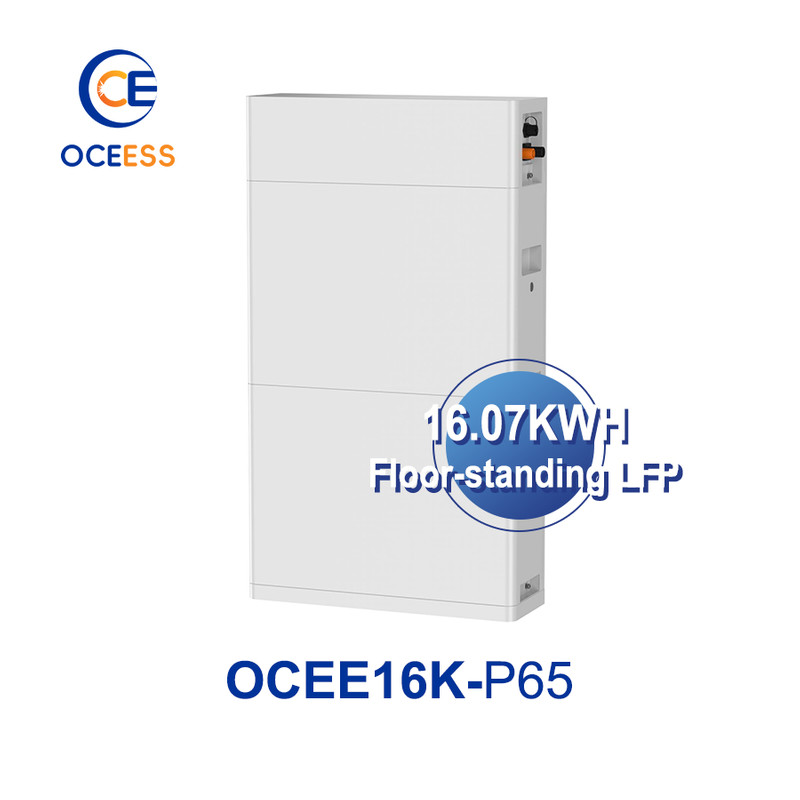
How Long Do Lithium Batteries Last? Cycle Life, Maintenance, And Safety Tips
You are here: Home » Blog » How Long Do Lithium Batteries Last? Cycle Life, Maintenance, And Safety Tips
How Long Do Lithium Batteries Last? Cycle Life, Maintenance, And Safety Tips
Views: 0 Author: Site Editor Publish Time: 2026-08-24 Origin: Site
Ever wonder why some Lithium Battery packs feel “new” for years, while others fade fast? It often comes down to cycle life, not just age.
A Lithium Battery lifespan means more than the calendar. It’s about how capacity slowly drops under real use, especially in solar storage.
In this post, you’ll learn how cycle life works, which daily habits extend service years, and the key safety rules that prevent damage.
Lithium Battery Basics That Determine Lifespan
A Lithium Battery “lasts” because its capacity slowly shrinks over time. Cells wear a little every charge and discharge. Even when it still powers your system, it may deliver less usable energy. Temperature and charging habits decide how fast that decline happens.
What “Capacity Loss” Really Looks Like
Think of capacity like a savings account. You can spend from it, but each cycle leaves a small trace. Over months, the battery holds less charge at the same settings. That’s why people feel the battery “works,” yet notice shorter runtimes.
Here’s what usually changes as aging builds up:
Total usable capacity drops gradually, not overnight.
Voltage behavior can shift, especially near lower states of charge.
After many cycles, you might still run loads, but you get less margin.
Cycle Life vs. Years in Use (They’re Not the Same)
This is where most misunderstandings start. “Years” sounds simple. In practice, a Lithium Battery ages in two ways: time and cycling.
Years in use = calendar aging. Heat and time still affect cells even if cycling is light.
Cycle life = wear from charge/discharge. Daily cycling causes most of the measurable degradation in storage systems.
Solar setups are a good example. A home battery that cycles often can reach its “cycle-life target” before the calendar feels old. A device battery used occasionally can do the opposite.
Why a Rated Cycle Count Doesn’t Mean “End of Life”
A rated cycle count is usually based on a specific test condition. Often, the manufacturer aims for a certain remaining capacity level after those cycles. After that point, the battery doesn’t instantly stop working. It typically continues, but with reduced usable capacity.
You might see language like “still retains 70%–80% capacity” after reaching rated cycles. That’s the practical story: your system still runs, but storage time shortens.
Aging Signal
What You May Notice
Why It Happens
Capacity decreases
Shorter backup time
Cell degradation reduces stored energy
Higher internal stress
More voltage sag under load
Reactions inside the cell become less efficient
Reduced energy window
Less usable SOC range
Wear changes safe operating behavior
How Lithium Battery Chemistry Changes the Longevity Picture
Not all Lithium Battery types age the same way. The chemical structure affects thermal stability, degradation rate, and cycle tolerance.
For example:
LiFePO4-style batteries are often discussed in solar and off-grid contexts due to long cycling performance.
Other Lithium-ion chemistries can work well too, but their cycle-life expectations may differ.
In real projects, the “chemistry label” matters less than how the battery is used. That’s why good system matching and consistent charging behavior are so important in storage.
Where the Documented Numbers Come From (And Why They Vary)
Manufacturers measure lifespan using defined stress assumptions. Operating temperature, depth of discharge, and charging equipment all shift the outcome. A Lithium Battery can feel wildly different between installations that treat it differently.
Key variables that push results up or down:
Depth of Discharge (DoD): deeper cycling accelerates wear
State of Charge (SOC) habits: long time at extreme SOC can stress cells
Charging compatibility: wrong chargers can add unnecessary stress
Temperature control: heat speeds degradation, cold changes charging limits
A Quick Real-World Example: Same System, Different Habits
Picture two households with similar off-grid solar needs. One keeps daily usage within a moderate SOC window and avoids pushing the battery to extremes. The other regularly drains near-empty and charges up to full for long periods.
Both batteries may still power loads. Yet the first one typically reaches the “noticeable decline” point later. The second one usually sees capacity drop sooner because cycling stress accumulates faster.
How Long Do Lithium Batteries Last in Years? Typical Lifespan Ranges by Use Case
If you’re buying a [Lithium Battery] for a project, you usually care about one number: how many years it supports real use. The tricky part is that “years” come from cycle life, calendar aging, and how the system runs day to day. Most teams end up with better decisions when they translate cycle life into time expectations.
A simple way to think about it: the battery’s chemistry keeps working, but capacity slowly shrinks. That shrink shows up as shorter runtime, less reserve, and eventually reduced performance at the same settings. So lifespan isn’t just a date on a label—it’s your operating pattern written into capacity loss.
Lifespan ranges you can plan around (by use case)
You’ll see lifespan claims like 2–5 years for standard consumer-style Lithium Battery packs, and 10–15+ years for LiFePO4-style storage systems in cycling applications. These ranges are not promises; they’re planning targets that assume reasonable DoD habits and correct system matching.
Here’s how those expectations usually map to full cycles:
Standard Lithium Battery usage (phones, tools, light-duty devices) often lands near 2–5 years, roughly 300–500 full cycles.
LiFePO4-style Lithium Battery systems for solar arrays, RVs, and marine use often land near 10–15+ years, described as thousands of cycles under good conditions.
To make this concrete, think about a home storage setup cycling daily. It racks up full-cycle equivalents faster than a gadget used once a week. That’s why the same chemistry can look “short-lived” in one context and “long-lived” in another.
A quick translation chart: cycles → expected years
Below is a practical planning table. It assumes “typical” cycling frequency and healthy operating behavior, so actual results still depend on temperature and usage.
Use Case
Typical Cycle Life Expectation
Typical Lifespan Range
What this means in practice
Standard Lithium Battery in devices
~300–500 full cycles
~2–5 years
Capacity declines sooner under daily use habits
LiFePO4-style Lithium Battery in solar/RV/marine
thousands of cycles
~10–15+ years
Storage time slowly shortens, then stabilizes longer
If your system keeps the battery away from extreme states, it tends to hold value longer. If your daily routine pushes deep discharge or long high-SOC stays, time-to-capacity-drop shortens.
What these year ranges really assume
Those year ranges depend on more than “good battery quality.” They depend on how the system charges, how deeply it discharges, and whether the installation keeps temperature under control.
Common assumptions behind the numbers:
Healthy operating habits keep stress moderate.
Proper system matching prevents charging behavior that adds extra wear.
Temperature management avoids heat that speeds degradation.
Consistent charging control helps the battery stay inside its intended limits.
This is where B2B projects benefit from using aligned components. For instance, Ocean Solar positions OCEESS LiFePO4 energy storage as a one-stop storage solution, pairing the battery ecosystem with compatible inverters and dedicated charging behavior to support stable long-term performance in real deployments.
Case examples: same goal, different battery aging pace
Let’s take two realistic scenarios.
One team runs a portable power setup. They may cycle it often, but not always daily. It can still hit the “2–5 year” experience window if charging and discharge patterns include deeper drops and more time near extremes.
Another team installs an off-grid system where the Lithium Battery cycles regularly. In that case, time-to-maturity depends on whether the system keeps daily SOC in a comfortable band and avoids harsh temperature swings. With LiFePO4-style packs, the project often sees the longer “10–15+ years” expectation because thousands of cycles are built into the planning logic.
Lithium Battery Maintenance That Extends Life (Daily Use, Long-Term Habits, and Storage)
When people say their Lithium Battery “didn’t last,” it’s often not the chemistry failing first. It’s the routine. Small daily choices add up, especially in solar-storage systems where the battery charges and discharges every day.
A good maintenance plan is less about obsessing and more about consistency. Keep the battery in a comfortable operating window, reduce unnecessary stress, and treat ventilation like a requirement, not a suggestion.
Daily habits that reduce wear fast
If you run a Lithium Battery daily, aim for steady habits. Avoid sitting at 100% for long stretches, and don’t live near empty either. These extremes can accelerate degradation even if the system still “works.”
Use these simple rules for real life:
Limit long time at full charge (100%). Once it reaches full, let the system rest and cycle naturally.
Avoid near-empty discharge for long periods. If loads pull it down too far, recharge sooner instead of waiting.
Keep ventilation open. Direct sunlight and cramped cabinets trap heat, which shortens service years.
Temperature matters more than most teams expect. Aim for a reasonable working range and avoid harsh swings. Heat speeds aging; cold can restrict charging behavior.
Daily Control Habit
What to Avoid
What Helps Instead
SOC timing
Long time at 100%
Let SOC float in a mid band
Discharge pattern
Near-empty for hours/days
Recharge before it stays too low
Location
Direct sun, sealed narrow space
Cool, ventilated area
Ventilation and temperature care (the “boring” part that matters)
Think of heat as a quiet tax on your Lithium Battery. It increases internal stress and makes capacity fade faster. Cold brings a different issue: charging limits and risks if you push the battery in the wrong conditions.
Practical checks you can do in minutes:
Place the battery where air can move around it.
Keep it away from direct sunlight, heaters, and steam sources.
Don’t cram it into unventilated cabinets, even if it looks tidy.
For B2B installs, we’ve found that site layout often decides performance. If airflow is blocked during installation, the “best battery” still ages early.
Long-term storage and off-season prep
If the system sits unused, treat storage like a mini maintenance cycle. Leave the battery neither empty nor full. Extreme SOC at rest can cause unwanted chemical stress and deeper capacity loss later.
A practical storage setup usually looks like this:
Set storage SOC to a mid-range target instead of empty/full.
Store indoors in a cool, dry, ventilated area.
Re-check SOC periodically and refresh charge to prevent excessive self-discharge.
For stackable setups, protect units from dust and physical collision during downtime.
To make it actionable, align storage practice with your project’s monitoring schedule. If your team logs inverter data, add battery SOC checks to the same cadence.
Solar-storage note: matching inverters and chargers
In off-grid systems, maintenance isn’t only “battery care.” It’s also system pairing. Using the right inverter and dedicated charger helps keep the Lithium Battery within designed charge behavior, reducing stress from mismatched voltage/current profiles.
Ocean Solar’s OCEESS ecosystem is positioned as a complete LiFePO4 storage solution, emphasizing factory testing, compatible system components, and long-term support. That matters because stable charging control is part of how the battery keeps performance steady across years of cycling and standby.
When installers treat the battery, inverter, and charger as one system, the battery spends less time under electrical conditions it was never meant to tolerate.
Safety Tips for Lithium Battery Use (Installation, Charging, Handling, and Emergency Rules)
When people talk about how long a Lithium Battery lasts, safety rarely gets the spotlight. But unsafe use can permanently damage cells, shorten lifespan, or create hazardous failure modes. In practice, good safety habits protect performance, not just people.
Think of this section like the “before you press start” checklist. It helps you avoid the kind of issues that show up later as capacity drop, error codes, or sudden shutdowns.
Installation and placement: set them up so they can breathe
The fastest way to stress a Lithium Battery is bad placement. Heat builds up when airflow is blocked, and that extra heat accelerates degradation. We’ve seen installs fail early simply because the battery was placed in a tight, unventilated enclosure.
Use these placement rules in real projects:
Put the battery on a flat, stable, fire-resistant surface.
Leave adequate ventilation space around the pack.
Keep it away from open flames, heating equipment, and water exposure.
Don’t drill, cut, or modify the casing—unauthorized changes also void warranty coverage.
Here’s a simple “do/don’t” snapshot your team can copy into an installation SOP:
Do check clearance for airflow before final mounting.
Don’t place the pack where sunlight hits it directly for hours.
Do verify cable routing so terminals don’t get stressed or pulled.
Don’t cover vents or trap the unit inside a narrow closet-like cabinet.
Charging safety: control heat, temperature, and supervision
Charging behavior is where many Lithium Battery problems begin. Overheating, improper chargers, and leaving a long charge cycle unattended can cause irreversible wear or damage. Your goal is stable charging conditions and early detection if something goes wrong.
Follow these charging rules:
Charge in a well-ventilated area.
Don’t leave the battery unattended during long-duration charging.
Stop immediately if heat spikes, casing bulges, or strange odors appear.
Never charge below 0°C to avoid lithium plating risks.
A quick reference table for field teams helps reduce guesswork:
Charging Condition
What can happen if ignored
Safe action
Below 0°C
Lithium plating risk, permanent cell damage
Do not charge; warm to safe conditions first
Abnormal heat / bulging
Elevated failure risk and accelerated degradation
Stop charging and inspect
Unventilated area
Heat build-up and unstable charging behavior
Improve airflow before charging
Unattended long charge
Slow-to-detect faults become worse
Monitor during the session
Handling, transport, and emergency steps
Handling matters, especially for larger wheeled Lithium Battery packs. Impacts can cause internal cell stress or even short-circuit if the structure is damaged. During transport, the packaging quality often decides whether the battery arrives ready to perform.
For handling and shipping:
Move wheeled packs slowly; avoid violent dropping or extrusion.
Keep terminals insulated when not connected to the solar system.
Use official shockproof and moisture-proof packaging for cross-region shipping.
Use consistent connection procedures so cables don’t loosen over time.
Emergency steps should stay short and calm:
Isolate the unit from solar panels and power loads.
Move it to an open, ventilated outdoor area.
Contact the relevant after-sales technical team instead of disassembling.
Brand note (smoothly relevant): Ocean Solar positions OCEESS LiFePO4 packs with intelligent BMS protection for overcharge, over-discharge, overheat, and short-circuit events, which supports safer day-to-day operation when used correctly.
Conclusion
Lithium Battery lifespan depends on a “three-part” mix: cycle life, maintenance habits, and safety boundaries.
Avoid frequent deep discharge. Keep daily SOC in a healthier window. Control temperature and avoid extremes.
Use compatible charging and inverter equipment. Store batteries mid-range when unused.
If you follow recommended operating conditions, your lithium battery life becomes predictable.
Ocean Solar supports real-world longevity through one-stop service: factory testing, installation/commissioning, and long-term technical support.
 English
 العربية
 Русский
 Español
 Português
 Deutsch
 italiano
 日本語
日本語 Nederlands
 Tiếng Việt
 ไทย
ไทย Polski
 Türkçe
 ພາສາລາວ
 ភាសាខ្មែរ
 Bahasa Melayu
 ဗမာစာ
ဗမာစာ தமிழ்
தமிழ் Filipino
 Bahasa Indonesia
 magyar
 Română
 Čeština
 Српски
 हिन्दी
 فارسی
فارسی Slovenčina
 Slovenščina
 Norsk
Norsk Svenska
 українська
 Ελληνικά
 Suomi
Suomi עברית
עברית Dansk
Dansk اردو
اردو বাংলা
বাংলা Hrvatski
 Eesti keel
 සිංහල
සිංහල latviešu
 Azərbaycan dili
 Български
 ગુજરાતી
 ಕನ್ನಡ
ಕನ್ನಡ Kurdî
Kurdî Lietuvių
 മലയാളം
 मराठी
मराठी پښتو
پښتو తెలుగు


 简体中文
简体中文