You are here: Home » Blog » How Long A Solar Panel Will Last
How Long A Solar Panel Will Last
Views: 0 Author: Site Editor Publish Time: 2026-06-03 Origin: Site
Going solar is a major long-term commitment. How do you ensure your investment truly lasts?
Most people believe asolar panelstops working after 25 years. This is a common misconception. In reality, these systems often generate clean energy for decades longer.
Understanding the lifespan of yoursolar panelis vital. It helps you maximize your total return on investment.
In this post, you will learn the truth about degradation. We will also share tips to keep your system running efficiently for years.
Defining the Lifespan of a Solar Panel
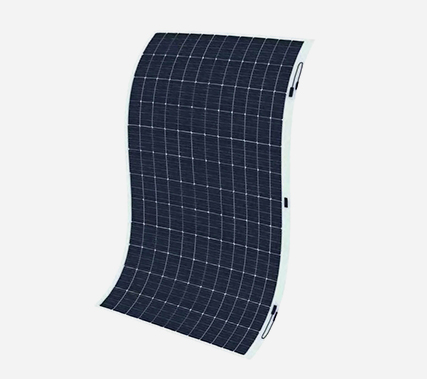
Many homeowners worry about when their equipment will finally quit. When you invest in asolar panel, you are looking at a long-term asset. The industry uses the term "useful life" to describe this duration. It typically spans 25 to 30 years. This benchmark does not mean the system stops working on your roof. It simply marks the point where power output dips below the manufacturer’s original performance guarantee. Most companies, including industry leaders like Ocean Solar, set this threshold at roughly 80 percent of the initial capacity.
The reality of energy production is far more forgiving than the technical specs suggest. Yoursolar panelwill continue to capture sunlight and convert it into electricity long after the warranty expires. Think of it like a high-quality car engine. It might lose some efficiency after two decades, but it still gets you from point A to point B. You are not facing a mechanical failure that requires immediate disposal. Instead, you are looking at a gradual decline in output that allows you to keep generating free power for years.
Phase
Expected Status
Performance Level
First 10 Years
Peak Efficiency
90% - 95% output
10 to 25 Years
Gradual Decline
80% - 90% output
After 30 Years
Post-Warranty Life
75% - 80% output
Deciding when to replace your system is a financial choice rather than a technical necessity. You should weigh the cost of new technology against the output of your existing setup. If your energy needs remain low, an oldersolar panelcan still serve small applications effectively. Many users keep their systems running for 40 years or more because the electricity remains essentially free. You only need to consider a replacement if you want to upgrade to higher-efficiency modules or if your power demands have outgrown the current setup.
●Performance Thresholds:Manufacturers guarantee that yoursolar panelwill maintain at least 80 percent of its rated power during the warranty period. This is a conservative estimate designed to protect the company. In practice, many panels perform significantly better than these minimum requirements. You are essentially getting a safety buffer that ensures your investment remains profitable for the long haul.
●The Financial Perspective:Replacing a system is usually about optimizing your return on investment. If a newer model offers double the output in the same footprint, the upgrade makes sense. However, if your current system covers your daily needs, there is no urgent reason to rip it out. You can continue to enjoy the savings while the equipment keeps working quietly on your roof.
●System Longevity Factors:While the panels themselves are incredibly durable, other parts of your system have shorter lifespans. Inverters often need a replacement after 10 to 15 years. This is a normal part of solar ownership. By planning for this single component swap, you can extend the overall life of your energy project without needing to replace the panels themselves.
Understanding Solar Panel Degradation: Why Performance Declines
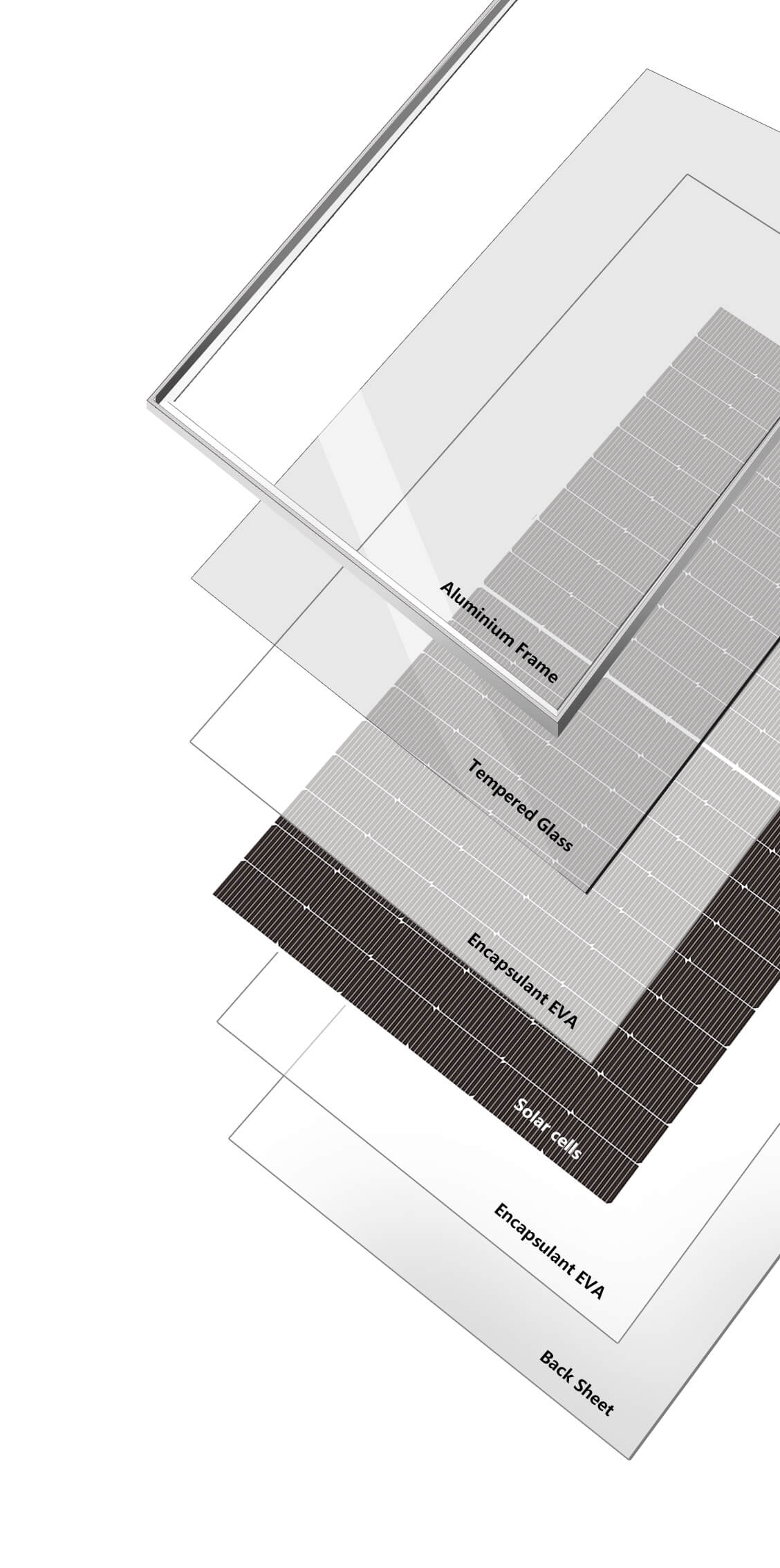
Everysolar panelexperiences a natural, slow decline in power output. This process is known as degradation. It happens because of constant exposure to harsh elements. UV rays break down internal materials over time. Thermal cycling also plays a big role here. When temperatures shift from hot to cold, materials expand and contract. This cycle creates tiny micro-cracks inside the silicon cells. These cracks restrict the flow of electrons. Your system then produces slightly less energy than it did when brand new.
For years, people relied on a simple "1% rule" to estimate this loss. It was a pessimistic way to look at the math. Recent research from the National Renewable Energy Laboratory (NREL) paints a much brighter picture. Data shows that modern systems perform far better than older estimates suggested. Most panels manufactured after 2000 show a median degradation rate of just 0.4% to 0.5% each year. This means your investment retains much more of its original power capacity over time.
Study Period
Degradation Rate Assumption
Actual Observed Rate
Pre-2000 Models
1.0% per year
~0.5% per year
Post-2000 Models
1.0% per year
~0.4% per year
Modern N-Topcon
0.5% per year
< 0.3% per year
Manufacturing technology has come a long way to solve these issues. Companies like Ocean Solar now use advanced N-Topcon tech to build a bettersolar panel. This design significantly reduces the impact of light-induced degradation. It provides a more stable electrical connection for the life of the module. You get higher efficiency and output compared to older, traditional panels. These improvements mean your system stays productive for much longer than previous generations ever could.
●Machine Learning Diagnostics:Researchers are now using smart software to keep systems healthy. They feed thousands of images into machine learning models to spot failures. This tech reads cell patterns as they break down. It allows experts to predict issues before they cause real trouble. You get a proactive way to maintain your energy production.
●Predictive Maintenance:Instead of waiting for a total failure, you can fix minor problems early. This approach saves you money on emergency repairs. It also keeps yoursolar panelarray running at peak performance. When you combine better hardware with smart data, you gain a massive advantage. You are not just buying parts; you are investing in a long-term, reliable energy solution.
●Environmental Resilience:Modern modules are built to handle stress better than ever. They resist moisture and temperature swings with stronger frames and better seals. This durability is why modern warranties are so much longer. You can expect your system to survive decades of weather while still providing consistent power for your home or business.
Critical Factors That Impact How Long Your Solar Panels Last
The lifespan of yoursolar panelsetup depends heavily on the quality of the initial setup. You need a professional team to handle the mounting process. If the installation is poor, it puts unnecessary physical stress on the modules. This leads to micro-cracks in the silicon cells. Proper ventilation is also a must for every installation. It allows heat to escape and prevents moisture from seeping into the electrical connections. A well-installed system avoids these common pitfalls from day one.
Climate plays a massive role in how fast your equipment ages. Heat is the natural enemy of high-performance electronics. In cooler regions, yoursolar panelmight only degrade at a rate of 0.48% each year. However, systems in hot, desert-like zones often face much harsher conditions. These areas can see degradation rates climb to 0.88% annually. You should consider your local weather patterns when planning the long-term output of your energy system.
Climate Type
Typical Annual Degradation
Impact on System Life
Cool / Temperate
0.48%
High longevity
Moderate / Mixed
0.65%
Standard performance
Hot / High UV
0.88%
Faster aging process
Regular maintenance is the secret to keeping your energy production high. You should keep the glass surface free from dust, leaves, and bird droppings. These obstructions block sunlight and create localized "hot spots" on the surface. If left alone, these spots cause permanent damage to the internal cells. A simple cleaning schedule prevents these problems before they start. You can use soft brushes and water to keep the modules clear without scratching the protective coating.
●Professional Inspections:You should have a certified technician check your wiring once a year. They look for loose connections or signs of corrosion. This simple check prevents small electrical issues from turning into major failures. It ensures yoursolar panelarray operates at peak safety levels throughout its entire life.
●System Monitoring:Modern digital tools allow you to track performance in real-time. You can see if one specific module is underperforming compared to the rest. This data helps you identify issues like shading or debris buildup quickly. You gain peace of mind by knowing exactly how much energy your system generates every single day.
●Physical Protection:Try to avoid placing modules near trees that drop heavy branches. Wind can blow these objects against the glass and cause physical cracks. If you choose the right location during the design phase, you reduce the risk of accidental damage. A thoughtful layout protects your investment from the start and keeps it running smoothly for decades.
Tip to Extend the Life of Your Solar Panel System
You can do a lot to keep your energy system running strong for years. It starts with choosing the right partners for your journey. Working with experts like FusionSolar makes a big difference. They offer one-stop support services covering everything from installation to long-term maintenance. Their team catches minor wiring or connection issues before they escalate into costly repairs. You get professional eyes on your equipment to ensure it stays in peak condition.
Keeping yoursolar panelsurface clean is another simple way to boost performance. Dirt, leaves, and bird droppings block sunlight and cause efficiency drops. You should use soft brushes and mild cleaning solutions to wash them. Avoid using harsh chemicals or abrasive tools. These can scratch the protective glass coating and lead to permanent damage. A gentle touch keeps your panels clear and ready to soak up the sun.
Maintenance Task
Recommended Frequency
Primary Benefit
Surface Cleaning
2-4 times per year
Maximizes light absorption
Wiring Inspection
Once every 12 months
Prevents electrical faults
Software Check
Monthly via app
Identifies hidden anomalies
Digital tools are your best friend for tracking system health. Most modern setups include management software to monitor your energy output. You can use this data to spot performance anomalies in real-time. If onesolar panelshows lower numbers than the others, you will know immediately. Early detection allows you to fix small problems before they impact your total savings. It turns a complex system into something you can easily manage from your phone.
●Proactive Management:You should not wait for a total breakdown to call for help. Regular checkups allow technicians to update your system software and optimize settings. This keeps your hardware running at the highest possible efficiency level. You save money by preventing big failures instead of paying for expensive emergency fixes.
●Strategic Planning:Think about where you place your modules during the design phase. Keeping them away from overhanging branches reduces the need for frequent cleaning. A smart layout also helps with natural cooling. It keeps the air flowing around yoursolar panelarray to prevent overheating. Good planning today pays off with better energy production for decades.
●Performance Tracking:Pay attention to the daily reports from your monitoring app. If you notice a sudden drop in power, check for obvious obstructions first. If the problem persists, reach out to your support team for a deeper look. Consistent oversight ensures your system produces the maximum amount of free electricity. You stay in control of your energy future by staying informed about your hardware performance.
FAQ
Q: Do solar panels stop working after 25 years?
A: No, they continue producing power well beyond 25 years, though at a slightly lower efficiency.
Q: How efficient are 15-year-old solar panels?
A: They typically retain 90–95% of their original efficiency.
Q: Should I replace 15-year-old solar panels?
A: Usually, no. Replacement is only practical if your financial goals require higher energy output.
Q: Does sunlight cause degradation?
A: Yes. Light-Induced Degradation (LID) occurs early on, followed by a slow, steady decline.
Q: Do solar panels help my roof?
A: Yes, they act as a shield against UV rays, rain, and environmental wear.
Conclusion
Asolar panelis a durable, low-maintenance asset. It provides decades of clean energy for your home.
Focus on quality manufacturing and professional installation. This ensures your system thrives for over 30 years.
Consult your provider today. Review your specific warranty terms and establish a regular maintenance schedule. Start your green energy journey now.
 English
 العربية
 Русский
 Español
 Português
 Deutsch
 italiano
 日本語
日本語 Nederlands
 Tiếng Việt
 ไทย
ไทย Polski
 Türkçe
 ພາສາລາວ
 ភាសាខ្មែរ
 Bahasa Melayu
 ဗမာစာ
ဗမာစာ தமிழ்
தமிழ் Filipino
 Bahasa Indonesia
 magyar
 Română
 Čeština
 Српски
 हिन्दी
 فارسی
فارسی Slovenčina
 Slovenščina
 Norsk
Norsk Svenska
 українська
 Ελληνικά
 Suomi
Suomi עברית
עברית Dansk
Dansk اردو
اردو বাংলা
বাংলা Hrvatski
 Eesti keel
 සිංහල
සිංහල latviešu
 Azərbaycan dili
 Български
 ગુજરાતી
 ಕನ್ನಡ
ಕನ್ನಡ Kurdî
Kurdî Lietuvių
 മലയാളം
 मराठी
मराठी پښتو
پښتو తెలుగు


 简体中文
简体中文