How Businesses Choose A Commercial Energy Storage System: Capacity, Roi, Safety, And Scalability
You are here: Home » Blog » How Businesses Choose A Commercial Energy Storage System: Capacity, Roi, Safety, And Scalability
How Businesses Choose A Commercial Energy Storage System: Capacity, Roi, Safety, And Scalability
Views: 0 Author: Site Editor Publish Time: 2026-08-03 Origin: Site
Are you maximizing your energy efficiency? Choosing the right commercial energy storage system can significantly impact your bottom line.
With the increasing demand for sustainable energy solutions, businesses must carefully evaluate their options.
In this article, we’ll guide you through essential factors like capacity, ROI, safety, and scalability. You’ll learn how to make informed decisions for your energy storage needs.
Understanding Commercial Energy Storage Systems
Commercial energy storage systems (CESS) are essential for businesses looking to optimize energy usage and reduce costs. At their core, these systems store energy for later use, helping companies manage peak loads and enhance sustainability.
Definition of Commercial Energy Storage Systems
A commercial energy storage system is designed to capture and store energy for commercial applications. This stored energy can be used during peak demand times or when renewable sources are unavailable. By leveraging these systems, businesses can improve energy efficiency and lower operational costs.
Types of Commercial Energy Storage Systems
There are several types of commercial energy storage systems available today. Here’s a quick overview:
Lithium-Ion Batteries:
High energy density
Long cycle life
Widely used in various applications
Lead-Acid Batteries:
Cost-effective
Reliable for short-term applications
Heavier and less energy-dense than lithium-ion
Flow Batteries:
Scalable energy capacity
Suitable for large-scale applications
Longer discharge times
Compressed Air Energy Storage (CAES):
Utilizes compressed air to store energy
Ideal for large-scale energy storage
Less common but effective for specific needs
Each type has its pros and cons, depending on the specific needs of a business.
Key Components of a CESS
Understanding the components of a commercial energy storage system is crucial. Here are the main parts:
Batteries: The heart of any CESS, responsible for storing energy.
Inverters: Convert stored energy from DC to AC for use in commercial applications.
Control Systems: Monitor and manage the flow of energy, ensuring optimal performance.
These components work together to provide a reliable energy solution.
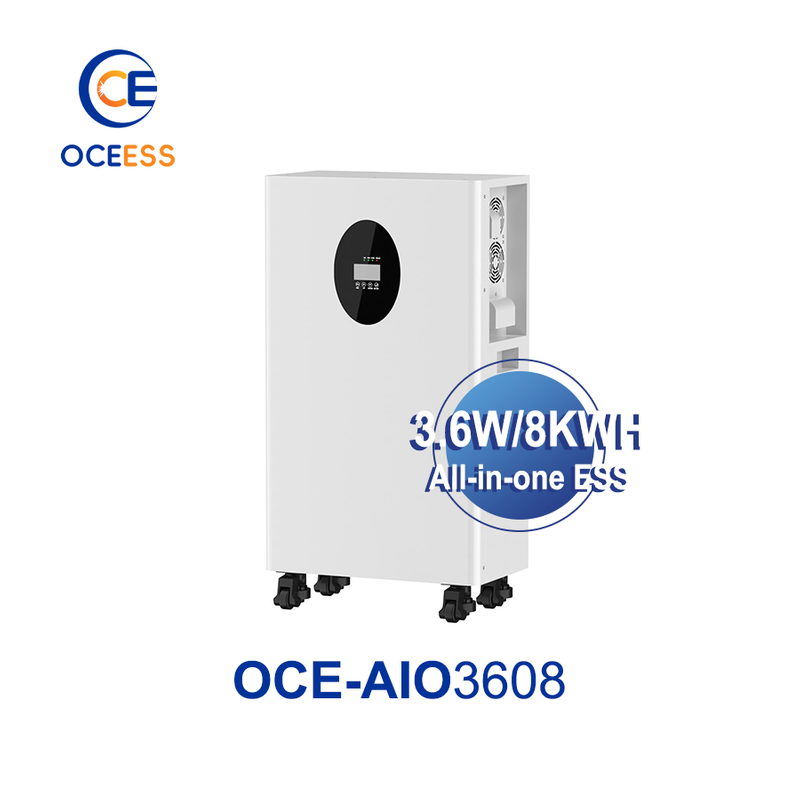
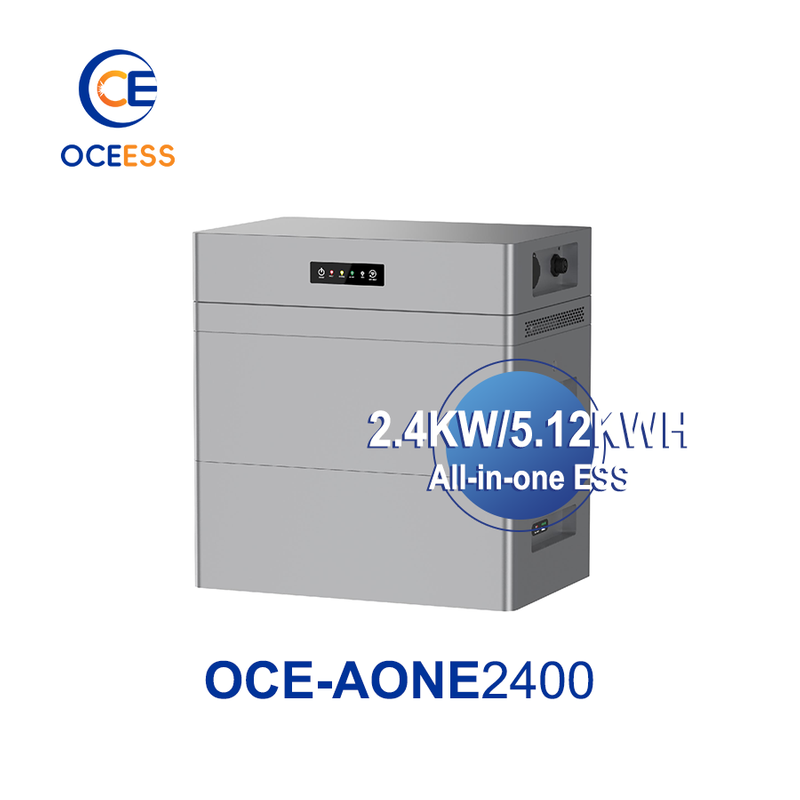
Ocean Solar’s All-in-One Energy Storage Systems
Ocean Solar offers all-in-one energy storage systems that cater to diverse applications, from residential setups to industrial solutions. Their systems are designed to be user-friendly and efficient, making them a great choice for businesses looking to implement energy storage.
Portable Models: Ideal for small businesses needing backup power or temporary solutions.
Industrial Solutions: High-capacity systems for factories and large commercial buildings, ensuring energy availability during peak times.
System Type
Power (kW)
Capacity (kWh)
Applications
OCE-ESS-500W-D
0.5
1
Small shops, backup power
OCE-AONE2400
2.4
5.12
Small offices, workshops
OCE-AIO6016
6
16
Industrial-grade energy storage
By integrating these systems, businesses can enhance their energy management strategies, reduce costs, and contribute to sustainability goals. With the right commercial energy storage system in place, companies can navigate the complexities of energy consumption more effectively.
Capacity Matching: How to Determine the Right Size
Choosing the right capacity for a commercial energy storage system (CESS) is crucial. It directly influences operational efficiency and cost savings. Understanding the difference between energy capacity (measured in kilowatt-hours, kWh) and power capacity (measured in kilowatts, kW) is the first step.
Importance of Capacity in CESS
Energy Capacity (kWh): This indicates how much energy can be stored. It determines how long the system can supply power.
Power Capacity (kW): This reflects the maximum power output at any given moment. It’s essential for meeting peak demand.
When a business matches its energy needs to the correct capacity, it can significantly reduce operational costs. For example, an under-sized system may lead to outages during peak times, while an oversized system can result in unnecessary expenses.
Assessing Energy Needs
To determine the appropriate capacity, businesses should evaluate their energy consumption patterns. Here are some key considerations:
Peak Power Consumption: Identify the highest energy demand periods. This helps in understanding the maximum kW needed.
Daily Energy Usage: Analyze total energy consumption over a 24-hour period. This gives insight into the required kWh for consistent operation.
Peak-Valley Electricity Price Gaps: Understanding these gaps can help businesses decide when to charge their systems for maximum savings.
Utilizing tools like energy monitoring software can streamline this analysis. These tools can provide real-time data and historical trends, making it easier to forecast energy needs accurately.
Matching Capacity to Business Scenarios
The capacity required varies significantly across different business types. Here’s how to approach capacity matching based on business size:
Small Commercial Scenarios: Retail shops and small offices often require lower capacities. A system like Ocean Solar’s OCE-AONE series can efficiently meet these needs.
Medium to Large Industrial Sites: Factories and malls typically have higher energy demands. They should consider larger systems that can handle peak loads effectively.
Buffer Capacity: It's essential to include a buffer of 10% to 20% in capacity planning. This extra capacity accommodates sudden load surges during peak times, ensuring reliability.
Business Type
Recommended Power (kW)
Recommended Capacity (kWh)
Suitable Ocean Solar System
Small Retail Shops
5-10
10-20
OCE-AONE1600
Small Offices
10-20
20-40
OCE-AONE2400
Medium Factories
20-50
50-100
OCE-AIO3605
Large Malls
50+
100+
OCE-AIO6016
By understanding these scenarios, businesses can select the right commercial energy storage system that aligns with their operational needs. This thoughtful approach not only enhances efficiency but also contributes to long-term cost savings.
When considering a commercial energy storage system (CESS), understanding the return on investment (ROI) is vital. ROI helps businesses assess the financial benefits of their energy storage solutions and make informed decisions.
What is ROI in Energy Storage?
ROI measures the profitability of an investment relative to its cost. In the context of CESS, it reflects how effectively a company can recover its investment over time.
Importance for Decision-Making: A clear ROI helps businesses justify the initial investment in energy storage. It provides insights into whether the system will deliver savings that outweigh costs.
Key Drivers of Financial ROI
Several factors contribute to the financial ROI of a commercial energy storage system. Here are the main drivers:
Demand Charge Savings: By reducing peak demand, businesses can lower their electricity bills significantly. This is especially important for companies facing high demand charges.
Arbitrage Opportunities: Companies can charge their systems during off-peak hours when electricity rates are lower. Later, they can discharge this energy during peak hours when rates are higher, maximizing savings.
Long-Term Savings: Over time, energy storage can lead to substantial reductions in overall energy costs. This includes savings from both demand charges and lower rates during peak usage.
Evaluating Total Cost of Ownership
To accurately assess ROI, businesses must consider the total cost of ownership, which includes both initial and ongoing expenses.
Initial Capital Expenditure (CapEx): This includes the upfront costs of purchasing and installing the energy storage system.
Operating Expenses (OpEx): These are the ongoing costs associated with running the system, including energy costs, maintenance, and potential repairs.
Maintenance Costs and Battery Lifespan: Understanding the lifespan of the batteries used in the system is crucial. High-quality batteries typically last longer and require less frequent replacement, positively impacting ROI.
Government Incentives and Tax Benefits: Many regions offer incentives for businesses investing in energy storage. These can significantly reduce the effective cost of the system and improve ROI.
Ocean Solar’s commercial energy storage solutions typically deliver an annual ROI of 10% to 15%. This level of return makes them an attractive option for businesses looking to invest in energy storage.
Cost Component
Description
Impact on ROI
Initial Capital Expenditure (CapEx)
Upfront purchase and installation costs
Higher initial costs can reduce ROI
Operating Expenses (OpEx)
Ongoing costs for operation and maintenance
Lower OpEx enhances ROI
Maintenance Costs
Costs related to battery upkeep
Longer lifespan improves ROI
Incentives and Tax Benefits
Financial incentives from government
Reduces overall investment cost
By carefully evaluating these factors, businesses can better understand the financial implications of their commercial energy storage system. This knowledge empowers them to make choices that align with their financial goals.
When it comes to commercial energy storage systems (CESS), safety is a top priority. Businesses must understand the potential risks and implement measures to ensure reliable operations.
Importance of Safety in Commercial Energy Storage
Safety risks associated with CESS can range from battery failures to fire hazards. Here’s a brief overview of the main concerns:
Battery Failures: Poor battery management can lead to overheating or even explosions.
Electrical Hazards: Improper installation or maintenance can create electrical risks, including short circuits.
Environmental Concerns: Leakage of hazardous materials can pose risks to both human health and the environment.
Regulatory compliance is vital. Adhering to industry standards helps mitigate these risks. Organizations like the Underwriters Laboratories (UL) and the International Electrotechnical Commission (IEC) provide guidelines to ensure safety in energy storage systems.
Key Safety Features to Look For
When selecting a commercial energy storage system, focus on these critical safety features:
Battery Chemistry Considerations: Different chemistries have varying safety profiles. For example:
Lithium Iron Phosphate (LiFePO4): Offers better thermal stability and safety.
Lithium Nickel Manganese Cobalt (NMC): Higher energy density but may pose more risks if not managed properly.
Thermal Management Systems: Effective cooling solutions prevent overheating. Systems should be designed to dissipate heat effectively, ensuring safe operation.
Fire Suppression Measures: Look for integrated fire suppression systems. These can include:
Automatic sprinklers
Fire-resistant enclosures
Certifications: Ensure the system meets safety certifications such as UL 9540 and IEC standards. These certifications indicate compliance with rigorous safety protocols.
Implementing Safety Protocols
To maintain a safe operational environment, businesses should adopt comprehensive safety protocols:
Regular Maintenance and Monitoring: Implement routine checks to ensure all components are functioning correctly. This includes:
Inspecting battery health
Verifying the integrity of cooling systems
Importance of Factory Testing: Before deployment, systems should undergo rigorous factory testing. This guarantees that all safety features work as intended.
Quality Assurance: Partnering with reputable manufacturers like Ocean Solar ensures that the systems meet high safety standards. Their commitment to quality means you can trust their products to perform reliably.
Safety Feature
Description
Importance
Battery Chemistry
Choice of chemistry impacts safety
LiFePO4 is safer than NMC
Thermal Management Systems
Prevent overheating
Ensures safe operation
Fire Suppression Measures
Integrated systems to combat fire hazards
Protects personnel and property
Certifications
Compliance with safety standards
Ensures reliability and safety
By prioritizing these safety considerations, businesses can confidently invest in commercial energy storage systems. This proactive approach not only protects assets but also enhances overall operational efficiency.
Conclusion
Choosing the right commercial energy storage system involves several key factors. Consider capacity, ROI, safety, and scalability.
Assess your specific business needs and consult with experts for the best outcome.
Explore Ocean Solar’s tailored CESS solutions to meet your unique requirements and enhance your energy efficiency.
 English
 العربية
 Русский
 Español
 Português
 Deutsch
 italiano
 日本語
日本語 Nederlands
 Tiếng Việt
 ไทย
ไทย Polski
 Türkçe
 ພາສາລາວ
 ភាសាខ្មែរ
 Bahasa Melayu
 ဗမာစာ
ဗမာစာ தமிழ்
தமிழ் Filipino
 Bahasa Indonesia
 magyar
 Română
 Čeština
 Српски
 हिन्दी
 فارسی
فارسی Slovenčina
 Slovenščina
 Norsk
Norsk Svenska
 українська
 Ελληνικά
 Suomi
Suomi עברית
עברית Dansk
Dansk اردو
اردو বাংলা
বাংলা Hrvatski
 Eesti keel
 සිංහල
සිංහල latviešu
 Azərbaycan dili
 Български
 ગુજરાતી
 ಕನ್ನಡ
ಕನ್ನಡ Kurdî
Kurdî Lietuvių
 മലയാളം
 मराठी
मराठी پښتو
پښتو తెలుగు


 简体中文
简体中文