Why Thailand’s Solar Manufacturers Are Gaining Global Attention
Thailand’s solar revolution is heating up—literally. With its year-round sunshine, government net-zero goals (carbon neutrality by 2050!), and booming demand for clean energy, the kingdom has become a hub for top-tier solar innovation. But with so many options, how do you pick the right manufacturer? Whether you’re a homeowner, business owner, or project developer, these 21 brands stand out for their tailored solutions, climate-resistant products, and proven track records. Let’s dive in—you might just find your perfect solar match!
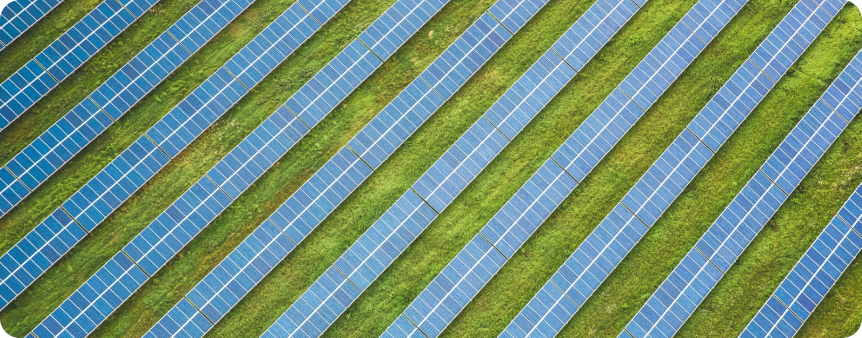
Meet Thailand’s Solar Stars: 21 Leading Manufacturers
1. Trina Solar
Trina isn’t just a global giant—they’re a local game-changer. Their Thai lineup includes the Vertex N i-TOPCon Ultra modules, engineered specifically for tropical climates with 24.8% efficiency and up to 760W power output . Ever seen floating solar farms on Thailand’s dams? Trina’s 24MW AC project at Ubonrat Dam is a shining example of their expertise in utility-scale solutions . They also offer residential energy storage systems (5.12kWh–25.6kWh) with IP65 protection—perfect for Thailand’s rainy seasons . Think of Trina as a Swiss Army knife for solar: versatile, reliable, and built to perform.
2. LONGi
LONGi’s Hi-MO X10 launch in Thailand was a game-changer for rooftop solar. Powered by HPBC 2.0 technology, these panels boast ultra-high efficiency and a sleek design that fits tight urban spaces . What makes them Thai-friendly? Their low temperature coefficient (-0.26%/°C) means they keep churning out power even on 35°C+ days . Whether you’re a café owner or a factory manager, LONGi’s modules deliver consistent performance—no sweat (pun intended!).
3. JinkoSolar
JinkoSolar’s Tiger Pro 3 panels are taking Thailand by storm, securing a 300MW order thanks to their perfect fit for the country’s climate . With 24.8% conversion efficiency, 85% bifacial gain, and just 0.35% annual degradation, these panels are like the marathon runners of solar—they go the distance . JinkoSolar’s local team also offers fast technical support, a must for businesses tight on project timelines.
4. Solartron
Solartron is Thailand’s homegrown hero. Founded with German technology, their automatic production lines crank out modules certified by UL, MCS, JIS, and TIS (Thailand’s national standard) . Listed on the Stock Exchange of Thailand, they specialize in both residential and commercial panels—think durable, cost-effective options that support local jobs. Their vision? To be Southeast Asia’s solar tech leader . Who wouldn’t root for that?
5. Ocean solar
www.oceansolarcn.com
With 15 years of industry experience and a global factory capacity of 2GW annually, Oceansolar has become a reliable solar panel supplier in Thailand. Their N-type TOPCon modules (400W–750W) are specifically designed to withstand Thailand's harsh climatic conditions: they have passed rigorous salt spray and ammonia corrosion tests, have an IP65 protection rating, effectively resist humid environments, and possess an extremely low temperature coefficient (-0.27%/°C).
With a 12-year product warranty and a 25-year performance guarantee, and IEC, TUV, and CE certifications—you can be assured that their products meet the requirements of the Thai power grid.
6. GreenSolar
GreenSolar is all about flexibility. Their Thai factory produces mono/polycrystalline panels (10W–345W), black modules (for sleek rooftops), and custom OEM/ODM solutions . What’s impressive? Their products are exported to 40+ countries—proof that Thai-manufactured solar can compete globally . Whether you’re a startup launching a solar brand or a homeowner wanting a personalized setup, GreenSolar delivers.
7. Cleanmax
Cleanmax isn’t just a manufacturer—they’re a one-stop shop for commercial solar. Operating 1000MW of renewable plants worldwide, they’ve partnered with big names like Heineken and Carlsberg in Thailand . Their unique selling point? No upfront costs for businesses—they offer Private PPA (Power Purchase Agreement) models, so you pay only for the energy you use . It’s like renting solar power with zero risk!
8. Solaris Green Energy
Based in Krabi, Solaris Green Energy brings island-friendly solar to Thailand. They offer everything from panels to inverters, plus free project analysis and after-sales support . Their team’s secret? Extensive knowledge of Thailand’s diverse climates—whether you’re on a sunny mainland rooftop or a coastal resort, they’ll recommend panels that resist humidity and salt spray . Perfect for eco-tourism projects!
9. Canadian Solar Thailand
Canadian Solar’s HiKu series is a hit in Thailand’s utility-scale market. These high-power modules (up to 720W) are designed for large solar farms, with a temperature coefficient of -0.29%/°C to handle tropical heat . They also offer integrated storage solutions, aligning with Thailand’s push for grid stability. With a global presence and local stockpiles, Canadian Solar ensures fast deliveries—critical for time-sensitive projects.
10. Hanwha Q Cells Thailand
Hanwha’s Q.Peak DUO panels are a favorite for Thai homes and small businesses. Their half-cut cell technology reduces hot spots (a common issue in humid climates) and boosts efficiency to 23.5% . What’s more, Hanwha’s local distribution network means you can get replacement parts or maintenance support in days, not weeks. It’s peace of mind wrapped in a solar panel!
11. Risen Energy Thailand
Risen’s 54-cell monofacial panels are tailor-made for Thailand’s rooftop market. Compact yet powerful (up to 420W), they fit perfectly on residential and commercial roofs where space is limited . Their anti-reflective coating maximizes light absorption during cloudy seasons, while their IP68 junction box keeps water out—ideal for Thailand’s rainy months. Risen also offers a 25-year linear warranty, so you’re covered for decades.
12. Apex Circuit Thailand
Apex Circuit is a hidden gem for industrial solar. With 117 export shipments in 2024–2025, they specialize in high-quality panels for factories and manufacturing plants . Their modules feature thick aluminum frames for durability and enhanced wind resistance—important in regions prone to storms. If you need bulk orders with consistent quality, Apex Circuit delivers.
13. Elec and Eltek (Thailand)
Elec and Eltek dominates Thailand’s solar component exports, with 55 shipments in the last year . Their panels are known for cost-effectiveness without sacrificing performance—perfect for budget-conscious projects. They offer both standard and custom modules, and their TIS certification ensures compliance with Thai grid standards. For small businesses or community solar projects, Elec and Eltek is a reliable choice.
14. APCB Electronics Thailand
APCB Electronics serves 6 major buyers in Thailand, focusing on commercial-grade panels . Their modules use PERC technology for higher efficiency and lower degradation, making them a smart long-term investment. They also offer flexible payment terms for large orders, a big plus for EPC contractors. APCB’s reputation for on-time delivery has made them a staple in Thailand’s solar supply chain.
15. Kyoden Thailand
Kyoden ranks among Thailand’s top solar exporters, with 79 shipments in 2024–2025 . Their specialty? Bifacial panels that capture sunlight from both sides, boosting energy output by 15–20%—a huge advantage in open areas like farms or industrial parks . Kyoden’s panels also feature anti-soiling technology, reducing maintenance needs in dusty regions.
16. SunPower Thailand
SunPower’s Maxeon panels are synonymous with premium quality in Thailand. Their shingled cell design eliminates gaps, increasing efficiency to 24.2% and making them more resistant to hail or debris . While manufactured overseas, SunPower’s Thai partners offer localized support, including free site assessments and installation guidance. For homeowners wanting the best of the best, SunPower delivers.
17. REC Solar Thailand
REC’s Alpha Pure panels are a hit with eco-conscious buyers. Made with 100% renewable energy, they’re carbon-neutral and feature a sleek black design that complements modern homes . Their dual-glass construction makes them resistant to humidity and termites—two common Thai pests! REC also offers a 25-year product warranty, matching the lifespan of most solar projects.
18. Sharp Solar Thailand
Sharp’s NU-JD series is built for Thailand’s climate. With a temperature coefficient of -0.27%/°C, they maintain power output even in 40°C heat . Their modules are also lightweight, making them easy to install on older rooftops. Sharp’s local service centers in Bangkok and Chiang Mai ensure fast repairs—no waiting for parts from abroad.
19. LG Energy Solution Thailand
LG’s NeON H+ panels are a favorite for commercial projects. Their high power density (up to 600W) means fewer panels are needed to meet energy goals, saving space and installation costs . LG also integrates storage solutions, helping businesses reduce peak-hour electricity bills. With a reputation for durability, LG’s panels are a safe bet for long-term projects.
20. Suntech Thailand
Suntech’s Polycrystalline panels are a budget-friendly option without cutting corners. Their 22% efficiency and 10-year product warranty make them popular for community solar projects and rural electrification . Suntech’s local team offers training for installers, ensuring proper setup—critical for maximizing energy production in remote areas.
21. Gunkul Energy Solar
Gunkul Energy isn’t just a Thai renewable giant—they’re now manufacturing solar panels tailored to local needs. Their modules feature anti-corrosion frames for coastal areas and enhanced water drainage to handle heavy rains . Gunkul’s strong ties to the Thai government make them a top choice for public solar projects, including schools and hospitals.
How to Choose the Right Solar Manufacturer for Your Thai Project
Key Factors to Prioritize
Climate Adaptability
Thailand’s heat and humidity are solar panel killers—look for modules with low temperature coefficients (-0.26%/°C or better) and IP65+ protection . Brands like JinkoSolar and LONGi excel here.
Project Type
Residential: Opt for sleek, efficient panels (Solartron, REC) or budget-friendly options (Suntech).
Commercial/Industrial: Choose high-power modules (Trina Vertex, Canadian Solar HiKu) for large rooftops.
Utility-Scale: Go with manufacturers offering floating solar expertise (Trina, Gunkul) or bulk pricing (Apex Circuit).
Local Support
Nothing beats fast, in-country service. Brands like Hanwha and Sharp have local warehouses and service teams—avoid manufacturers with no Thai presence!
Mistakes to Avoid
Don’t fall for "cheap" panels without TIS certification—they may not comply with Thai grid standards. Also, skip brands that don’t offer climate-specific warranties—Thailand’s weather demands extra protection.
FAQs About Thailand’s Solar Manufacturers
Do these manufacturers offer solar + storage solutions?
Yes! Trina, LG, and Canadian Solar integrate batteries into their offerings, perfect for Thailand’s occasional power outages .
How long do solar panels last in Thailand?
Most top brands offer 25-year performance warranties, and panels typically last 30+ years with proper maintenance . Look for annual degradation rates under 0.4% (JinkoSolar and LONGi meet this).
Are local Thai manufacturers better than international brands?
It depends! Local brands like Solartron and Gunkul understand Thai regulations and climate nuances, while global brands (Trina, LONGi) bring cutting-edge technology. Both can be excellent choices—prioritize product fit over origin.
Can I get financing for projects using these panels?
Absolutely! Thai banks and government programs (like the PDP 2024) favor reputable manufacturers . Expect easier loan approvals with panels from Trina, JinkoSolar, or Hanwha.
Final Thoughts: Thailand’s Solar Future Is Bright
Thailand’s 21 top solar manufacturers offer something for everyone—whether you’re a homeowner wanting to slash electricity bills, a business owner investing in sustainability, or a developer building the next big solar farm. By focusing on climate-resistant products, local support, and project-specific solutions, these brands are powering Thailand’s net-zero journey.
Ready to take the leap? Start by assessing your needs (project type, budget, climate) and reach out to 2–3 manufacturers for quotes. Remember: the best solar panel isn’t just efficient—it’s built for Thailand’s unique conditions. Which of these 21 brands will you trust to power your future?
 English
 العربية
 Русский
 Español
 Português
 Deutsch
 italiano
 日本語
日本語 Nederlands
 Tiếng Việt
 ไทย
ไทย Polski
 Türkçe
 ພາສາລາວ
 ភាសាខ្មែរ
 Bahasa Melayu
 ဗမာစာ
ဗမာစာ தமிழ்
தமிழ் Filipino
 Bahasa Indonesia
 magyar
 Română
 Čeština
 Српски
 हिन्दी
 فارسی
فارسی Slovenčina
 Slovenščina
 Norsk
Norsk Svenska
 українська
 Ελληνικά
 Suomi
Suomi עברית
עברית Dansk
Dansk اردو
اردو বাংলা
বাংলা Hrvatski
 Eesti keel
 සිංහල
සිංහල latviešu
 Azərbaycan dili
 Български
 ગુજરાતી
 ಕನ್ನಡ
ಕನ್ನಡ Kurdî
Kurdî Lietuvių
 മലയാളം
 मराठी
मराठी پښتو
پښتو తెలుగు


 简体中文
简体中文
