You are here: Home » Blog » What Is A Good Efficiency for A Solar Panel
What Is A Good Efficiency for A Solar Panel
Views: 0 Author: Site Editor Publish Time: 2026-06-09 Origin: Site
Ever wonder why some roofs produce more power than others? Think of solar panel efficiency as the "miles per gallon" of the sun.
It is a vital metric for your home. However, chasing the highest percentage isn't always the smartest path. You must balance space, cost, and long-term energy yield.
In this post, you will learn what truly makes a solar panel efficient. We will help you find the perfect match for your budget and roof.
Understanding Solar Panel Efficiency: The Basics
Efficiency represents the percentage of sunlight asolar panelconverts into usable electricity under Standard Test Conditions (STC). Think of it as a conversion grade for your hardware. When manufacturers test these units, they use a controlled environment featuring 1,000 watts per square meter at 25°C. This baseline ensures you can compare different models fairly before making a purchase. While it sounds like a simple math problem, many variables influence how much power hits your home grid.
It is easy to confuse total power output with efficiency ratings. A 300W module and a 400W unit might share the exact same efficiency percentage. The difference lies in their physical footprint. Higher efficiency means the panel packs more power into a smaller space. If your roof area is limited, you need a high-efficiency model to meet your energy goals. If you have plenty of space, you might find more value in larger, standard-efficiency options.
Metric
Focus Area
Why It Matters
Efficiency (%)
Conversion rate
Determines space usage on your roof
Power Output (W)
Total energy
Defines how much electricity the system generates
Footprint (m²)
Physical size
Impacts installation layout and racking costs
You should also consider the broad power range available in the market today. Modern manufacturing allows for high-efficiency standards across diverse applications. Whether you need a small 10W panel for a remote off-grid sensor or a massive 700W module for an industrial solar farm, the core physics remain consistent. Companies like Ocean Solar leverage this versatility to serve various clients. They produce everything from small portable units to high-capacity bifacial modules. This ensures that every project, regardless of scale, benefits from advanced conversion technology.
●Cell Design:The internal structure of the silicon cells dictates how many photons turn into electrons. Pure materials reduce energy loss during this critical conversion phase.
●Wiring and Busing:Efficient electrical paths move power out of the panel quickly. Less resistance means more electricity reaches your inverter for daily use.
●Surface Coatings:Anti-reflective layers trap more light inside the glass. This simple addition prevents sunlight from bouncing away before the cells can capture it.
These factors work together to ensure your system performs reliably for decades. When you evaluate asolar panel, look past the marketing hype and focus on these technical realities. A well-designed system balances the physical size of the array against your total energy needs. By understanding these basics, you take control of your investment and ensure your energy production stays high for the long haul.
What Is a Good Efficiency for a Solar Panel Today?
Finding the right efficiency for yoursolar panelsetup feels like picking the perfect car. You want enough power to get the job done without overspending on features you do not actually need. Most experts agree that the current industry "sweet spot" sits between 20% and 22%. This range provides a balanced mix of performance and price for both homes and businesses. It ensures your system generates plenty of electricity while keeping your initial investment within a reasonable budget.
Efficiency Tier
Performance Level
Best Use Case
Entry-Level (17–20%)
Reliable
Large, open spaces with no constraints
Mid-to-High (20–22.5%)
Standard
Most residential and commercial rooftops
Premium (23%+)
High-Performance
Limited space or maximum energy needs
If you have plenty of room, entry-level panels offer a practical solution. They usually fall in the 17% to 20% efficiency range. You might need more panels to hit your energy target, but the lower cost per unit often makes them a smart financial choice. They work well when your roof is large and you have no reason to worry about space. You simply spread them out to capture the same amount of sunlight as more expensive, compact versions.
Most buyers today settle for mid-to-high efficiency units. These panels hit that 20% to 22.5% mark. They represent the current market standard for a reason. You get a solid balance between power density and cost. They fit well on almost any roof and provide enough energy to offset high utility bills. We often recommend this tier because it offers the best reliability for the average homeowner or business owner looking for a long-term energy solution.
For those with tight roof space, premium modules are the way to go. These panels push past the 23% efficiency mark. They utilize advanced engineering like N-Topcon technology to squeeze every bit of power from the sun. We see companies like Ocean Solar leading this charge. They use N-Topcon tech to ensure their modules consistently exceed 22% efficiency. This makes them a reliable benchmark for anyone needing high performance in a small footprint.
●N-Topcon Advantages:This tech reduces energy loss at the cell surface. It helps thesolar panelperform better even when the sun is not hitting it perfectly.
●Space Optimization:High-efficiency panels mean you install fewer units on your roof. This reduces the amount of wiring, racking, and labor needed for your project.
●Long-Term Reliability:Premium panels often come with better materials. They hold up longer against harsh weather and provide more steady power over their lifespan.
When you look at these options, think about your specific site needs. Do you have a massive yard or a tiny city roof? Your answer dictates which tier makes the most sense. If you have the space, you save money by going with standard efficiency. If you are squeezed for room, you pay more for the premium tech. Both paths lead to clean energy, so you just need to pick the one that fits your property best.
Key Factors That Influence Solar Panel Efficiency
The material inside yoursolar paneldictates its performance ceiling. Most modern systems rely on monocrystalline silicon, which uses a single crystal structure to allow electrons to flow freely. Polycrystalline options use melted fragments, creating grain boundaries that can trap electrons and lower overall output. Thin-film panels offer flexibility for unique surfaces, but they generally struggle to match the high conversion rates of their silicon-based cousins.
Material Type
Typical Efficiency
Best Application
Monocrystalline
18% – 24%
Residential and commercial rooftops
Polycrystalline
13% – 18%
Large-scale, budget-focused installations
Thin-film
7% – 13%
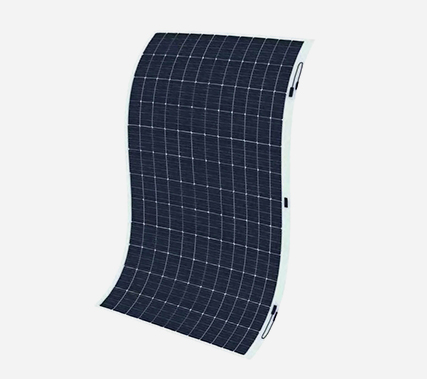
Portable, curved, or lightweight needs
Engineers work hard to minimize electron recombination, a process where electrons get lost before they can create current. They use advanced cell technologies like PERC, HJT, and N-Topcon to solve this. PERC adds a reflective layer to the back of the cell, giving light a second chance to be absorbed. HJT and N-Topcon go further by using specialized contact layers to passivate the surface. This keeps the electrical flow smooth and prevents energy from vanishing as heat.
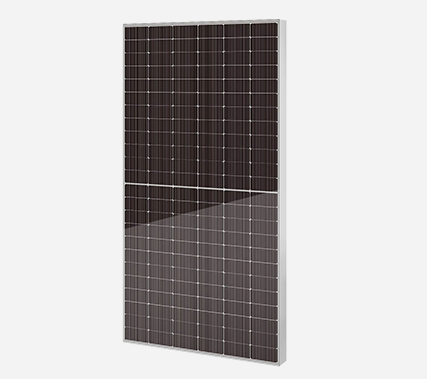
Design tweaks also play a massive role in how much power you actually get. Manufacturers now use half-cut cells to reduce internal resistance. By splitting a cell in two, they lower the current flowing through the wiring, which cuts down on energy losses. Multi-busbar (MBB) layouts add more conductive paths across the surface. These thin wires capture electrons more effectively, even if part of thesolar panelends up in the shade.
●Anti-Reflective Coatings:These layers ensure sunlight enters the cell instead of bouncing off the glass. They give the panel its characteristic dark, uniform look while boosting light absorption.
●Backsheet Choices:The protective layer on the rear of the module matters more than you might think. White backsheets reflect light back into the cells, keeping the unit cooler.
●Heat Management:Darker backsheets might look sleek, but they absorb more heat. Higher temperatures can lower your voltage, so we always weigh aesthetic preferences against potential performance drops.
You should view these features as a complete package rather than isolated specs. Every design choice aims to keep the cells cool and the current moving. When you select asolar panel, look for these technical markers. They show that the manufacturer cares about real-world output. Proper design keeps your system working efficiently, even when the weather is not perfect or your roof layout is less than ideal.
How to Maximize the Efficiency of Your Solar Panel System
Getting the most out of yoursolar panelsetup requires more than just buying high-quality hardware. Professional planning serves as the foundation for every successful installation. Experts use site-specific modeling to determine the perfect tilt and orientation for your roof. They account for local weather patterns and potential shading from nearby trees or buildings. This precision ensures your array captures the maximum amount of sunlight throughout the entire year.
Maintenance Task
Frequency
Impact on Performance
Gentle Rinsing
Quarterly
Prevents dirt buildup and maintains light absorption
Visual Inspection
Bi-annually
Identifies potential damage or shading issues early
Professional Audit
Annually
Optimizes system settings and checks electrical health
You must also stay on top of basic maintenance to keep your energy production high. Dust, leaves, and bird droppings can block your cells and lower your output. Studies show that accumulated grime can reduce your annual power yield by up to 4.4%. A simple rinse with a garden hose often clears away enough residue to restore peak performance. If you live in a dry area, you should clean your panels more frequently to avoid these losses.
●Smart Cleaning:Always use mild soapy water and a soft squeegee for stubborn spots. Avoid harsh chemicals or abrasive brushes that could scratch the glass surface.
●Shade Management:Keep nearby branches trimmed to prevent shadows from hitting your array. Even partial shading can trigger a drop in power if your system lacks proper optimization.
●Monitoring Tools:Use digital apps to track your daily production. Sudden dips in output often signal that your panels need a quick cleaning or a technical check.
To ensure your system stays fully optimized, it is often best to work with one-stop service providers. Companies like Ocean Solar handle the entire process from start to finish. They manage everything from factory acceptance testing to the final installation on your roof. This approach ensures that every component, from yoursolar panelto the matching inverters and lithium batteries, works in perfect harmony.
When you rely on a single partner for your energy needs, you avoid the headaches of managing multiple contractors. They provide the technical support needed to keep your system running at peak capacity for decades. This level of service simplifies your life and protects your investment. By combining professional design, regular cleaning, and expert system support, you guarantee that your home or business gets every drop of power possible from your solar array.
Conclusion
Finding the rightsolar panelis about balance. Efficiency is important, but it is not everything. Consider your roof space, budget, and energy goals.
Look beyond the percentage on the label. Focus on warranties, degradation rates, and expert support. These factors provide the best long-term value.
Ready to power your home? Evaluate your roof space and current energy bills today. Choose the configuration that fits your property best.
 English
 العربية
 Русский
 Español
 Português
 Deutsch
 italiano
 日本語
日本語 Nederlands
 Tiếng Việt
 ไทย
ไทย Polski
 Türkçe
 ພາສາລາວ
 ភាសាខ្មែរ
 Bahasa Melayu
 ဗမာစာ
ဗမာစာ தமிழ்
தமிழ் Filipino
 Bahasa Indonesia
 magyar
 Română
 Čeština
 Српски
 हिन्दी
 فارسی
فارسی Slovenčina
 Slovenščina
 Norsk
Norsk Svenska
 українська
 Ελληνικά
 Suomi
Suomi עברית
עברית Dansk
Dansk اردو
اردو বাংলা
বাংলা Hrvatski
 Eesti keel
 සිංහල
සිංහල latviešu
 Azərbaycan dili
 Български
 ગુજરાતી
 ಕನ್ನಡ
ಕನ್ನಡ Kurdî
Kurdî Lietuvių
 മലയാളം
 मराठी
मराठी پښتو
پښتو తెలుగు


 简体中文
简体中文