1. Overview & Causes of Extreme High Temperature Climate in Southeast Asia (2026)
1.1 Multiple Southeast Asian Countries Hit Record High Temperatures in 2026
1.1.1 Extreme Temperature Thresholds Broken in Core Regional Countries
1.1.1.1 Feels-Like Temperatures Far Exceed Actual Readings, Aggravating Equipment Loads
1.1.1.1.1 Prolonged Heatwaves Cover the Core PV Power Generation Season
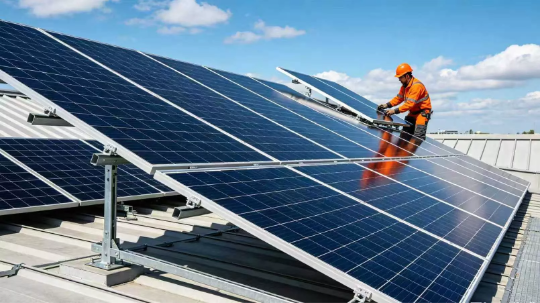
2026 has become one of the most extreme climatic years in Southeast Asia over the past century. Multiple countries have issued red-level high-temperature warnings, with both actual and perceived temperatures hitting historic highs. The long-lasting heatwaves span the core PV power generation period from April to October, exerting continuous pressure on Southeast Asia solar panels and photovoltaic projects across the region. Statistical data shows that the feels-like temperature in Bangkok, Thailand, has exceeded 52°C, reaching the extreme danger level defined by local meteorological authorities. Zambales Province in the Philippines recorded a feels-like temperature of 53°C, setting a new century-high national record. Multiple areas in Malaysia, Indonesia, and Vietnam maintain steady temperatures above 40°C. Combined with tropical high humidity, the sweltering and muggy weather far exceeds the standard operating temperature range of conventional solar panels. Compared with short-term heatwaves in previous years, the 2026 high-temperature event features longer duration and wider coverage, completely reshaping the operating environment of photovoltaic equipment and high temperature resistant solar panels applications in Southeast Asia.
1.1.2 Compound Extreme Climate: El Niño Superimposed with Severe Drought
According to the latest 2026 meteorological forecasts from Southeast Asian weather authorities, the probability of a recurrent strong El Niño event reaches 20%-25%. Affected by this climatic phenomenon, summer precipitation across Southeast Asia has decreased significantly, forming a compound harsh climate characterized by extreme high temperature, severe drought, and intense ultraviolet radiation. On the one hand, prolonged drought reduces natural rain cleaning, leading to long-term dust and particle accumulation on Southeast Asia solar panels surfaces. On the other hand, the continuous high-temperature environment leaves conventional photovoltaic modules operating under overloaded conditions for months, creating unique and severe challenges for the 2026 Southeast Asian PV industry and raising higher requirements for high temperature resistant solar panels.
1.2 Core Driving Factors Behind 2026 Southeast Asian Climate Abnormalities
Apart from periodic El Niño fluctuations, accelerated global warming and abnormal regional atmospheric circulation are the fundamental causes of frequent extreme heat in Southeast Asia in 2026. This year, a persistent subtropical high-pressure system dominates the upper atmosphere of Southeast Asia, inhibiting cloud formation and rainfall while significantly enhancing direct sunlight and ultraviolet intensity. This normalized climate of extreme heat, strong UV radiation, and insufficient precipitation is no longer a short-term weather anomaly but a new normal for the region in the coming years, forcing comprehensive technological upgrading and product iteration for Southeast Asia solar panels and the entire regional photovoltaic industry.
2. Core Negative Impacts of Extreme Heat on the Southeast Asian PV Industry
2.1 High-Temperature Power Attenuation Directly Reduces PV Project Revenue
2.1.1 Temperature Coefficient Determines High-Temperature Power Loss Disparities
All photovoltaic modules have a fixed power temperature coefficient. Conventional ordinary modules feature a temperature coefficient of approximately -0.34%/°C, meaning power output drops by 0.34% for every 1°C increase in ambient temperature. Under the extreme high-temperature conditions above 45°C in Southeast Asia in 2026, traditional P-type solar panels suffer a 15%-20% drop in overall power generation efficiency. Abundant solar irradiation resources cannot be fully converted into effective power output, directly lowering the return on investment for residential and commercial PV projects that adopt ordinary solar panels. A large number of early-installed conventional Southeast Asia solar panels have experienced severe power generation declines during the 2026 heatwaves, becoming a widespread pain point for local PV practitioners and highlighting the necessity of upgrading to reliable high temperature resistant solar panels.
2.2 High Temperature & Humidity Accelerate PV Equipment Aging & Failure
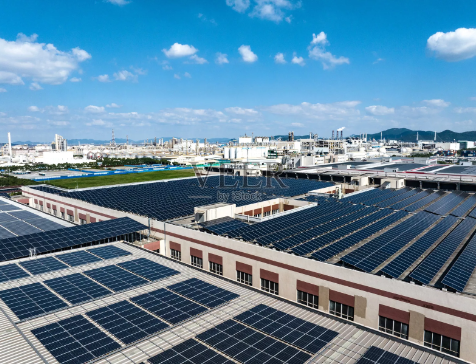
The unique high-temperature and high-humidity dual working conditions in Southeast Asia continuously erode the encapsulation films, frame sealing structures, and solar cells of ordinary photovoltaic modules. Long-term intense sunlight exposure accelerates film yellowing, aging, and delamination, while high humidity causes internal water vapor penetration, leading to cell microcracks and oxidative blackening. The 2026 extreme heat has drastically accelerated this aging process for conventional Southeast Asia solar panels. Many common modules with 3-5 years of service have experienced abrupt power attenuation and reduced light transmittance, shortening the overall service life of PV equipment and increasing replacement costs for end users, while premium high temperature resistant solar panels maintain stable performance under the same harsh conditions.
2.3 Extreme Weather Raises PV Operation Risks & Maintenance Costs
The dry, rainless, and dusty weather in Southeast Asia in 2026 leads to frequent dust and leaf accumulation on Southeast Asia solar panels surfaces, blocking sunlight and causing severe hot spot effects. Hot spots trigger local high-temperature burning on modules, potentially resulting in short circuits, panel burnout, and even fire hazards. Meanwhile, extreme heat sharply increases the failure rate of inverters, cables, and other supporting PV equipment, raising maintenance frequency and labor costs. For large-scale ground power stations and rooftop distributed PV projects equipped with ordinary solar panels, continuous high-temperature maintenance has become a key factor restricting project profitability, further driving market demand for durable high temperature resistant solar panels and complete PV systems.
3. New Industry Opportunities Driven by Harsh Southeast Asian Climate Conditions
3.1 Explosive Market Demand for High-Temperature Resistant Solar Panels
The 2026 extreme heat has completely eliminated low-efficiency conventional modules designed for temperate climates, making high temperature resistant solar panels and low-attenuation N-TOPCon solar panels a mandatory procurement requirement in Southeast Asia. Local distributors, EPC contractors, and end users no longer prioritize low prices alone; instead, they focus on core weather resistance indicators, including high-temperature tolerance, temperature coefficient, and long-term attenuation rate. Currently, high-efficiency Southeast Asia solar panels with ultra-low temperature coefficients, strong UV resistance, and hot spot resistance form a huge market gap, becoming the largest growth track in the Southeast Asian PV industry.
3.2 High Weather-Resistant Custom PV Products Become Industry Essentials
Standard universal solar panels can no longer adapt to Southeast Asia’s unique working conditions of high temperature, high humidity, frequent dust, and intense UV radiation. Customized weather-resistant PV products, including thickened anti-aging glass, anti-corrosion frames, nano self-cleaning coatings, and low-temperature-coefficient N-TOPCon solar panels, have become a mainstream procurement trend in 2026. Brands capable of providing climate-adaptive customization and stable weather-resistant products are rapidly capturing regional market shares. Among them, Ocean Solar has strategically deployed the Southeast Asian high-temperature market, focusing on premium N-TOPCon high temperature resistant solar panels tailored exclusively for tropical climates. With an ultra-low temperature coefficient of -0.29%/°C, its Southeast Asia solar panels effectively control power loss under extreme heat. Equipped with nano self-cleaning coatings and enhanced encapsulation technology, Ocean Solar products perfectly adapt to Southeast Asia’s dusty and humid climate, making it a preferred high weather-resistance brand for small and medium-sized regional buyers.
3.3 2026 Summer Power Shortages Trigger Skyrocketing Demand for Complete PV Systems
3.3.1 Surging Power Consumption Under Extreme Heat Overloads Regional Power Grids
3.3.1.1 Industrial & Residential Air Conditioning Loads Exceed Grid Limits
3.3.1.1.1 Normalized Peak Power Shortages in Summer
The 2026 extreme heatwave has triggered a severe regional power crisis, serving as a core driving force for the widespread adoption of complete photovoltaic systems. During the high-temperature season from April to October, air conditioners and industrial cooling equipment operate at full capacity, pushing total social power consumption to repeated record highs. Taking Vietnam as an example, its daily power consumption twice hit annual peaks in May 2026, rising from 1.1 billion kWh to 1.152 billion kWh, with grid peak load exceeding 54,654 MW and approaching the grid’s maximum bearing limit. In addition to Vietnam, Myanmar, Thailand, Indonesia, and other countries face severe power shortages, implementing scheduled power cuts and rotational blackouts. Some regions have less than 8 hours of daily power supply, with electricity prices surging year-on-year, severely disrupting residential life and industrial production. Different from traditional power shortages, the 2026 heat-driven power crisis features all-day high load pressure, leaving conventional hydropower and thermal power incapable of filling the supply gap and creating enormous market potential for distributed PV systems.
3.3.2 Grid Deficiencies Accelerate the Popularization of Independent PV Power Systems
Most Southeast Asian countries suffer from aging power grid infrastructure, with grid expansion failing to keep pace with rapidly growing power demand. Meanwhile, El Niño-induced droughts sharply reduce hydropower generation, intensifying summer power supply-demand conflicts. Frequent blackouts, unstable power supply, and volatile electricity prices cause huge production losses for industrial and commercial enterprises and unbearable living troubles for residents under extreme heat. In this context, single solar panels can no longer meet end-user demands, and complete photovoltaic power systems and solar-storage integrated solutions have become essential products for summer power guarantee in 2026. More end users choose to build self-owned distributed PV systems to break reliance on municipal grids and achieve stable independent power supply throughout the hot season.
3.4 Solar-Storage Integrated Systems: Optimal Solution for Summer High-Temperature Scenarios
Facing dual pain points of peak power overload in the daytime and blackouts at night in Southeast Asian summers, complete solar storage PV system solutions demonstrate unparalleled advantages. Standalone Southeast Asia solar panels only generate power during daytime hours and cannot solve nighttime power outages or peak load shortages. In contrast, integrated solar storage PV system products store excess photovoltaic power generated by high temperature resistant solar panels during the day and release electricity at night, achieving round-the-clock stable power supply for high-temperature seasons. In addition, high-quality solar storage PV system setups can operate stably under extreme heat, reducing municipal electricity consumption for air conditioning and cooling equipment and effectively cutting summer power costs for households and enterprises with outstanding economic and practical value. Currently, lightweight, high weather-resistant, low-failure complete PV and storage systems tailored for tropical high-temperature conditions have become core procurement products for Southeast Asian EPC contractors and distributors.
4. 2026 Southeast Asian PV Procurement Standards & Premium Brand Recommendation
4.1 Ocean Solar’s Product Advantages for Southeast Asian High-Temperature Climates
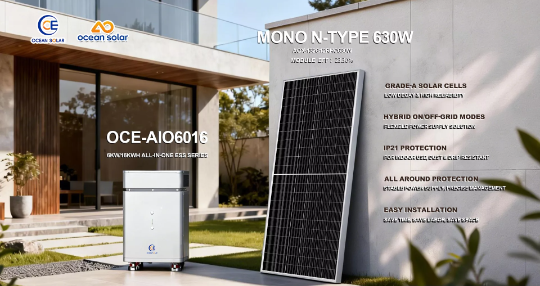
Deeply rooted in the Southeast Asian overseas market, Ocean Solar accurately targets the region’s 2026 extreme climate pain points and summer power demand. Beyond high weather-resistance N-TOPCon solar panels, the brand provides customized complete PV systems and professional solar storage PV system solutions, covering full-service support from single Southeast Asia solar panels supply to turnkey power station delivery. Its self-developed and mass-produced Ocean Solar N-TOPCon solar panels deliver industry-leading conversion efficiency and optimized temperature control performance for tropical hot environments, achieving far higher power generation stability in extreme heat than traditional P-type modules. Adopting a double-layer enhanced sealing and encapsulation process, these high temperature resistant solar panels resist erosion from high temperature, high humidity, and temperature fluctuations, effectively preventing delamination and cell microcracks. Equipped with standard nano self-cleaning glass coatings, the panels automatically remove surface dust and particles, greatly reducing manual maintenance frequency and costs. Furthermore, Ocean Solar’s complete solar storage PV system suite includes high-temperature resistant inverters, voltage stabilization control systems, and customized energy storage accessories fully adapted to tropical working conditions. Thoroughly tested and optimized for Southeast Asia’s high heat, high humidity, and unstable power supply environment, the system features low failure rates and stable energy storage and discharge performance, perfectly solving peak power shortages and nighttime blackout problems in summer. Supporting personalized configuration adjustments according to national climate differences and residential/industrial power load demands across Southeast Asia, Ocean Solar balances cost performance and weather resistance, covering residential, commercial, industrial, and ground power station scenarios. It stands out as the most adaptable and cost-effective brand for Southeast Asia solar panels and solar storage PV system procurement in the 2026 high-temperature market.
5. Conclusion
The 2026 extreme high-temperature climate in Southeast Asia brings both severe challenges and a critical transformation opportunity for the regional photovoltaic industry. In the short term, extreme heat causes severe power attenuation, accelerated equipment aging, and rising maintenance costs for ordinary Southeast Asia solar panels, eliminating a large number of low-quality and low-efficiency standardized PV products. In the long run, harsh climatic conditions force the upgrading of the Southeast Asian PV market, driving the industry to shift from low-price volume-oriented competition to high-quality, high weather-resistance, and high-efficiency development centered onN-TOPCon solar panels and reliable solar storage PV system solutions. In the next one to two years, high temperature resistant solar panels and customized weather-resistant PV products will dominate the regional incremental market, with reputable brands like Ocean Solar featuring professional climate adaptation technology and stable supply capacity continuously capturing industry dividends. For overseas buyers, keeping pace with climate-driven industry trends, prioritizing high-quality Southeast Asia solar panels and complete PV storage systems, and establishing long-term cooperation with reliable suppliers are the key strategies to avoid project risks and maximize long-term returns on Southeast Asian photovoltaic investments.
 English
 العربية
 Русский
 Español
 Português
 Deutsch
 italiano
 日本語
日本語 Nederlands
 Tiếng Việt
 ไทย
ไทย Polski
 Türkçe
 ພາສາລາວ
 ភាសាខ្មែរ
 Bahasa Melayu
 ဗမာစာ
ဗမာစာ தமிழ்
தமிழ் Filipino
 Bahasa Indonesia
 magyar
 Română
 Čeština
 Српски
 हिन्दी
 فارسی
فارسی Slovenčina
 Slovenščina
 Norsk
Norsk Svenska
 українська
 Ελληνικά
 Suomi
Suomi עברית
עברית Dansk
Dansk اردو
اردو বাংলা
বাংলা Hrvatski
 Eesti keel
 සිංහල
සිංහල latviešu
 Azərbaycan dili
 Български
 ગુજરાતી
 ಕನ್ನಡ
ಕನ್ನಡ Kurdî
Kurdî Lietuvių
 മലയാളം
 मराठी
मराठी پښتو
پښتو తెలుగు


 简体中文
简体中文
