Pitfall-Avoiding Guide + Money-Saving Tips to Save Tens of Thousands!
The 2026 photovoltaic (PV) market is like a rollercoaster! With so many choices and fluctuations, are you feeling confused too? What exactly is "cost-effective"? Should you buy the cheapest one, or the most efficient one?
In fact, cost-effectiveness is never about "buying the most expensive" or "buying the cheapest"—it’s about buying the right one—one that fits your scenario, budget, and long-term needs. Today, we’ll break down the core logic of choosing solar panels in 2026 in down-to-earth terms, help you avoid the pitfalls that merchants won’t tell you about, quietly share a few money-saving tips, and finally reveal which brands are worth paying attention to.
Whether you’re installing residential PV, commercial/industrial rooftop systems, or large-scale ground-mounted power plants, this guide will help you avoid detours and choose truly cost-effective solar panels!
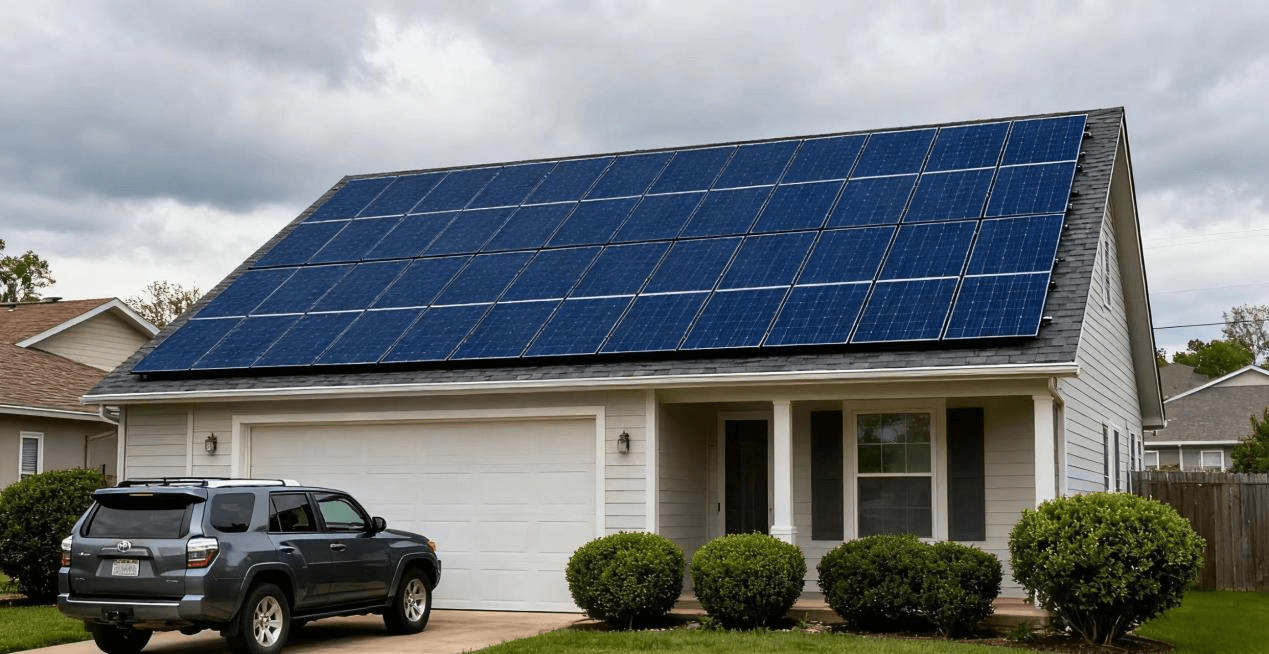
I. The 2026 Solar Panel Market: 3 Trends That Define Cost-Effectiveness
1. Three Technologies Dominate: Which Is Worth It—PERC, N-TOPCon, or BC?
Gone are the days of a single dominant PV technology in 2026. Instead, a "three-way split" has emerged—PERC, N-TOPCon, and BC each have their strengths, with huge differences in cost-effectiveness.
1.1 PERC: A "Thing of the Past"
PERC technology has been around for over a decade, like the "basic model" of a smartphone. In previous years, its advantages lay in maturity, stability, and affordability. However, in 2026, due to market shifts, PERC cell production is currently low, and its per-watt price is even higher than that of N-TOPCon. Therefore, we don’t recommend choosing PERC anymore.
1.2 N-TOPCon: The "Golden Balance" of Efficiency and Cost
If PERC is the "basic model," N-TOPCon is the "best-selling mid-range option"—more efficient than PERC and more affordable than BC. With an 87% market share in 2026, it has become the core choice for cost-effectiveness.
Core Advantages:
• Mass production efficiency: 22%-24% (1-3 percentage points higher than PERC), generating 5%-8% more electricity per unit area.
• Per-watt price: 0.11-0.12 (only 10% higher than PERC), but delivering 20% more lifetime revenue.
• Low temperature coefficient (-0.3%/℃): Minimal power degradation in high temperatures, suitable for most scenarios.
1.3 BC: A "Rising Star" in the High-End Market—Is It Cost-Effective?
BC modules (including HPBC, IBC) represent the "pinnacle" of technology—no front grid lines, high efficiency, but volatile prices. In 2026, BC module prices are highly divided, making them a love-hate choice.
Core Advantages:
• Highest efficiency (24%-25% in mass production), sleek appearance, and strong shade tolerance—ideal for high-end residential properties, commercial buildings, or complex rooftops.
Disadvantages:
• Budget models are often stock or older versions with shortened warranties (some only 10 years).
• Premium models come with a high price tag, offering lower cost-effectiveness than N-TOPCon—only worth it if you prioritize appearance or extreme efficiency.
2. 2026 Price Trends: When Is the Best Time to Buy?
2026 solar panel prices are a tale of two extremes. Mastering these trends can save you a lot of money!
• Current Prices (April 2026 Latest):
◦ PERC: 0.12-0.13/W
◦ N-TOPCon: 0.11-0.12/W
◦ BC: 0.12-0.14/W
• Short-Term Trends (April-June): Due to rising precious metal prices, module prices may continue to edge up slightly, stabilizing between late April and May.
• Best Purchase Time:
◦ For residential or small-scale projects: Buy before May—prices are bottoming out, and you’ll catch the summer’s peak sunshine for maximum electricity generation.
◦ For large-scale projects: Lock in low-price contracts before June to avoid price hikes in the second half of the year.
II. The Core of Cost-Effectiveness: 4 Key Indicators to Avoid Pitfalls
1. Conversion Efficiency: Higher Isn’t Always Better—Fit Matters
Many people think higher efficiency equals better value, but that’s not true! For example, if your rooftop is only 10㎡:
• A 24% efficiency BC module (1.5kW on 10㎡) may cost $290 more than a 23% efficiency N-TOPCon (1.45kW on 10㎡).
• The annual electricity generation difference is less than 50 kWh, but the BC module will extend your payback period by 1 year.
Efficiency Selection Principles:
• Residential/Small Rooftops: Prioritize N-TOPCon with 22%-23% efficiency—high power per unit area avoids wasting rooftop space.
• Commercial/Industrial/Ground-Mounted Plants: Pursue "efficiency × scale"—N-TOPCon with 23%-24% efficiency offers the best cost-effectiveness, and bulk purchases can reduce costs.
• Tight Budget: PERC with 21%-22% efficiency is fully functional—don’t pay 10% more for just 1% higher efficiency.
2. Cost Comparison: Per-Watt Price vs. Lifetime Cost
Don’t just look at the per-watt price—calculate the levelized cost of electricity (LCOE)—the average cost per kWh over 25 years. This is the true measure of cost-effectiveness.
Example (for a 10kW system):
Module Type | Per-Watt Price ($/W) | Total Investment ($) | Annual Generation (kWh) | 25-Year Total Generation (kWh) | LCOE ($/kWh) |
PERC (21%) | $0.12 | $1,200 | 12,600 | 315,000 | $0.0038 |
N-TOPCon (23%) | $0.11 | $1,159 | 13,860 | 346,500 | $0.0033 |
BC (24%) | $0.13 | $1,304 | 14,490 | 362,250 | $0.0036 |
Key Tip: If the per-watt price difference is within 0.015, prioritize higher efficiency; if it exceeds 0.022, consider cheaper options.
3. Durability: The "Invisible Cost-Effectiveness" Behind Warranties
Solar panels are designed to last 25+ years—warranties are your "safety net" and a form of invisible cost-effectiveness. Warranty policies in 2026 vary widely—pay close attention to these two points:
• Power Warranty:
◦ PERC: Typically 25 years (≤2% degradation in the first year, ≤0.7% annually thereafter).
◦ N-TOPCon: Mostly 30 years (≤1% degradation in the first year, ≤0.3% annually thereafter).
◦ BC: Varies greatly—budget models may only offer 10 years, while premium models have 30 years.
• Product Warranty: At least 10 years to cover frame, glass, and encapsulant defects.
Pitfall Alert: Some cheap modules "exaggerate warranties"—advertising 30-year warranties but failing to specify "annual degradation limits" in the contract, making post-purchase disputes hard to resolve. Always choose brands with a strong reputation and clear contract terms.
4. Brand & Service: Don’t Overlook "After-Sales Cost-Effectiveness"
Cheap modules often come with "one-time" after-sales service—when problems arise, you’ll be left stranded, ending up spending more on repairs. Cost-effective brands offer reliable products and hassle-free after-sales:
• Domestic Brands:
◦ Top-tier brands (JinkoSolar, Trina Solar): Comprehensive warranty services but higher prices.
◦ Niche powerhouses (e.g., Oceansolar): Affordable prices and fast after-sales response—perfect for users seeking "cost-effectiveness + peace of mind."
• Overseas Brands: 20%-30% more expensive with longer after-sales cycles—unnecessary unless you have specific requirements.
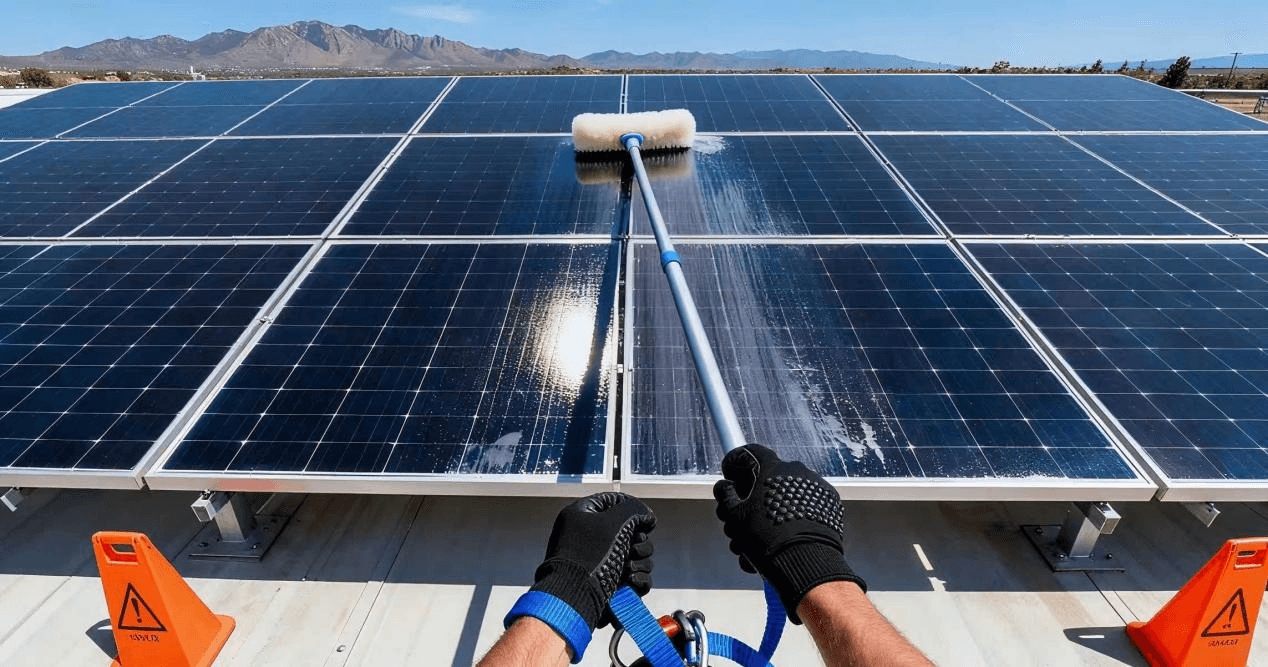
III. Scenario-Based Selection: How to Choose Without Wasting Money?
1. Residential PV: Key Parameters for Small Rooftops
Residential PV’s core needs are "maximizing electricity on small spaces, fast payback, and decent appearance." 2026 selection priorities:
• Top Choice: N-TOPCon modules (470-550W), 0.11-0.12/W, 22%-23% efficiency, bifacial generation (8%-12% backside gain)—suitable for most rooftops.
• Premium Choice: BC budget models (610-620W), 0.09-0.10/W, 24% efficiency, all-black appearance—ideal for villas or users prioritizing aesthetics.
2. Commercial/Industrial PV: Balancing Efficiency and Cost at Scale
Commercial/industrial PV’s core goal is "offsetting high electricity prices and fast payback." With 2026 commercial electricity prices averaging 0.12-0.15/kWh, choosing the right modules can push ROI above 10%.
• Top Choice: N-TOPCon modules (650-750W), 0.11-0.11/W, 23%-24% efficiency. Bulk purchases can bring prices below $0.10/W—perfect for large rooftops.
• Key Tip: Leverage the "self-consumption + surplus grid feed-in" model. Prioritize bifacial modules paired with high-reflectivity rooftops (e.g., white color steel sheets) to boost electricity generation by 10%-15%.
3. Ground-Mounted Power Plants: Factors Affecting Cost-Effectiveness in Bulk Purchases
Large-scale ground-mounted plants (10MW+) pursue "scale + cost + policy" triple cost-effectiveness. 2026 selection logic:
• Top Choice: N-TOPCon modules (700-750W), 0.10-0.11/W, 23%-24% efficiency. Compatible with central inverters for high construction efficiency.
• Policy Utilization: Participate in market-oriented power trading as an "aggregated entity" and apply for local subsidies to further enhance returns.
IV. Buying Process: From Budget to Installation, Step-by-Step
1. Step 1: Clarify Needs and Budget—Don’t Chase Unnecessary Premiums
• Calculate Electricity Demand: Review your past year’s electricity bills to determine average monthly consumption, then select module power (e.g., 1,000 kWh/month = 8-10kW system).
• Assess Installation Conditions: Rooftop area, load capacity, and sunshine duration (e.g., for balconies with limited sunshine, choose shade-tolerant modules).
• Set Budget Range:
◦ Residential: 0.10-0.13/W
◦ Commercial/Industrial: 0.10-0.12/W
◦ Ground-Mounted: 0.09-0.11/W
2. Step 2: Compare Parameters—Focus on These 3 Points
• Efficiency: ≥22% for residential, ≥23% for commercial/industrial.
• Warranty: ≥25-year power warranty, ≥10-year product warranty.
• Brand: Prioritize brands with third-party certifications (TUV, CE, CQC) and nationwide after-sales networks.
3. Step 3: Verify Brand and Warranty—Avoid After-Sales Disputes
• Check Certifications: Verify brand certification numbers on TUV, CE, or CQC official websites to confirm parameter authenticity.
• Review Contracts: Clearly outline power warranty, degradation limits, and after-sales response time—avoid verbal promises.
• Research Reputation: Ask for feedback in PV forums or homeowner groups to avoid brands with frequent complaints.
4. Step 4: Maximize Cost-Effectiveness with Installation and Policies
• Choose Installers: Opt for brand-authorized installers (installation fees: 0.07-0.12/W). Avoid cheap installers who cut corners.
• Leverage Policies:
◦ Residential: Consult local development and reform commissions to join virtual power plant (VPP) aggregated trading.
◦ Commercial/Industrial: Apply for market-oriented power trading to offset high electricity prices.
• Avoid Peak Seasons: Installation fees rise 10%-15% during peak seasons (June-August). Choose March-May or September-November for lower costs.
V. Conclusion: 2026 Cost-Effectiveness Formula—Ready to Use
Cost-Effectiveness = Suitable Efficiency × Reasonable Price × Long-Term Warranty + Policy Benefits
• Balanced Choice for Most Scenarios: N-TOPCon modules (0.11-0.12/W, 22%-24% efficiency). Prioritize cost-effective brands like Oceansolar.
• Premium/Aesthetic Needs: BC budget models (0.09-0.10/W, 24% efficiency) or premium models (0.12-0.14/W).
2026 is the "year of PV cost-effectiveness." Falling silicon prices have brought module costs back down, and mature N-TOPCon technology has struck the perfect balance between efficiency and price. Remember: "Don’t chase unnecessary premiums, don’t settle for cheap junk, and prioritize fit." With the tips in this guide, you’ll definitely choose the best solar panels for your needs—saving big money and generating more electricity!
For a hassle-free experience, consult Oceansolar directly. Their customized solutions and reliable after-sales make them a top choice for cost-conscious buyers.
 English
 العربية
 Русский
 Español
 Português
 Deutsch
 italiano
 日本語
日本語 Nederlands
 Tiếng Việt
 ไทย
ไทย Polski
 Türkçe
 ພາສາລາວ
 ភាសាខ្មែរ
 Bahasa Melayu
 ဗမာစာ
ဗမာစာ தமிழ்
தமிழ் Filipino
 Bahasa Indonesia
 magyar
 Română
 Čeština
 Српски
 हिन्दी
 فارسی
فارسی Slovenčina
 Slovenščina
 Norsk
Norsk Svenska
 українська
 Ελληνικά
 Suomi
Suomi עברית
עברית Dansk
Dansk اردو
اردو বাংলা
বাংলা Hrvatski
 Eesti keel
 සිංහල
සිංහල latviešu
 Azərbaycan dili
 Български
 ગુજરાતી
 ಕನ್ನಡ
ಕನ್ನಡ Kurdî
Kurdî Lietuvių
 മലയാളം
 मराठी
मराठी پښتو
پښتو తెలుగు


 简体中文
简体中文
