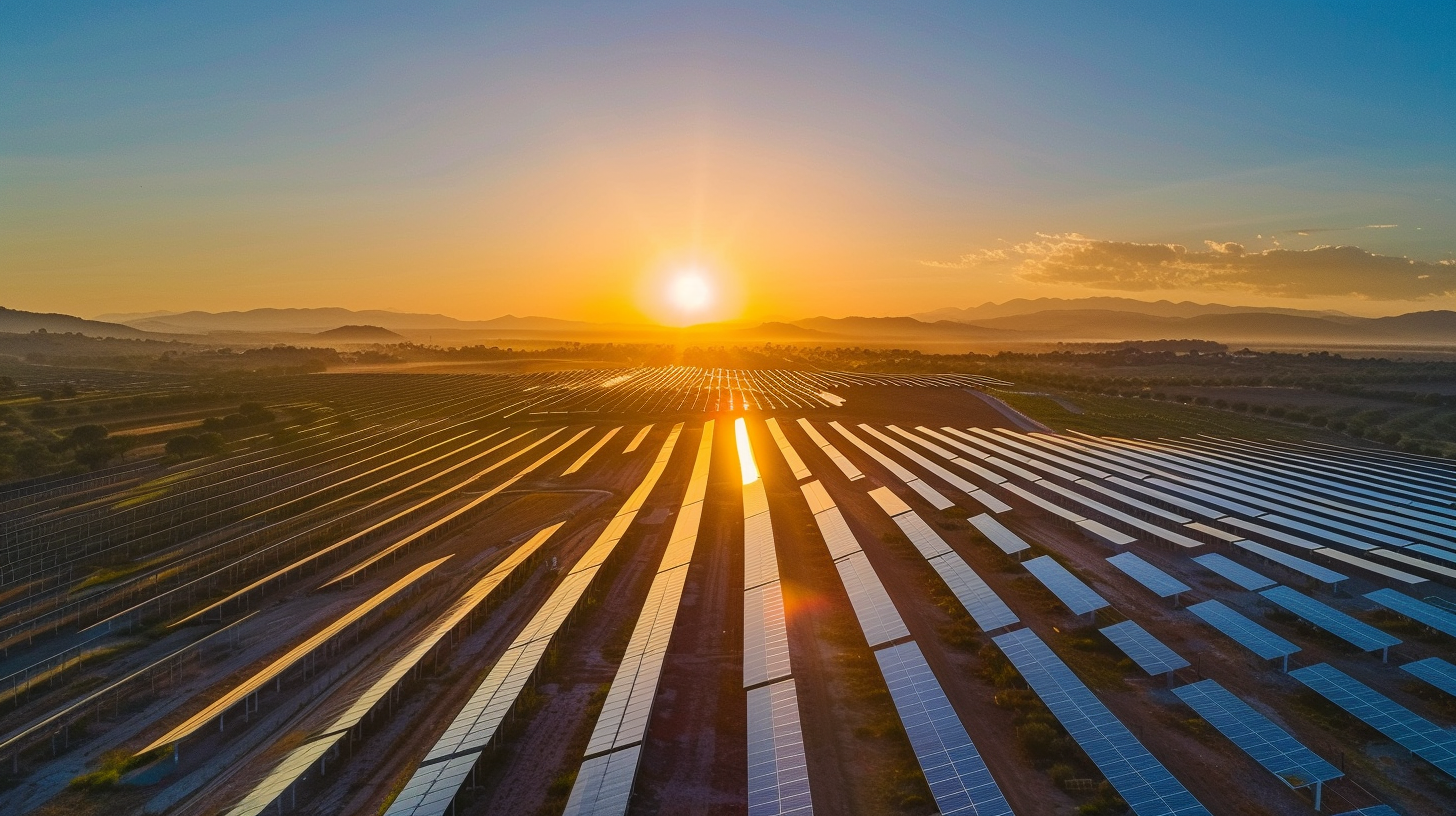
Essential for Typhoon Season! A Complete Guide to Solar Systems in Southeast Asia
You are here: Home » Blog » Essential for Typhoon Season! A Complete Guide to Solar Systems in Southeast Asia
Essential for Typhoon Season! A Complete Guide to Solar Systems in Southeast Asia
Views: 0 Author: Site Editor Publish Time: 2026-07-13 Origin: Site
Recently, many countries in Southeast Asia have been hit by successive super typhoons and extreme heavy rainfall. Widespread grid collapse and large-scale power outages have plunged countless households, retail stores, and small factories into power shortages. Under such extreme weather conditions, Southeast Asian solar energy systems are no longer just energy-saving tools to cut electricity bills, but essential emergency power guarantees that ensure reliable power supply during typhoon seasons.
Many local users have suffered huge losses from inferior solar equipment: ordinary solar panels blown off by strong typhoons, generic lithium batteries leaking and bulging in rainy weather, and low-quality all-in-one solar units shutting down completely during storms — failing precisely when power is needed the most.
Combined with the latest 2026 typhoon weather conditions in Southeast Asia, this practical guide will thoroughly explain how to select solar panels, energy storage lithium batteries, and intelligent all-in-one solar systems that adapt to Southeast Asia’s high-temperature, high-humidity, and super-typhoon-prone climate. We will also break down professional installation, maintenance, and risk-avoidance tips, helping home users, store owners, and farm operators avoid over 90% of common industry pitfalls.
1.1 Background: Why Are Solar System Demands Surging in Southeast Asia in 2026?
The period from June to October every year is the traditional typhoon season in Southeast Asia, yet extreme weather occurrences in 2026 have far exceeded annual averages. According to Southeast Asian meteorological monitoring data, more super typhoons have formed in the Northwest Pacific this year, making landfalls continuously across Southeast Asian coastal areas, bringing gales above level 12, torrential rains, and seawater inundation.
Key photovoltaic popularization areas including Luzon in the Philippines, the Mekong Delta in southern Vietnam, and Johor in Malaysia have repeatedly suffered main grid fractures and substation waterlogging shutdowns, with single power outage durations lasting up to 72 hours or longer.
In the past, most Southeast Asian users regarded solar systems as auxiliary power-saving devices that were dispensable when the municipal grid worked normally. However, after continuous typhoon impacts in 2026, local residents and business owners have fully realized that public power grids are extremely vulnerable during extreme weather. A wind-resistant, weather-stable solar energy storage system has become the most reliable backup power solution.
As a result, wind-resistant solar panels, waterproof energy storage lithium batteries, and integrated photovoltaic equipment specially designed for extreme weather have become top-selling products in the 2026 Southeast Asian photovoltaic market, with year-on-year sales growth exceeding 60%.
1.1.1 Amplified Power Supply Pain Points of Southeast Asian Grids During Typhoon Seasons
Extreme typhoon weather has magnified the inherent flaws of Southeast Asia’s power supply infrastructure. First of all, grid stability is extremely poor. Strong winds and heavy rains easily break transmission lines and damage power facilities, leading to regional blackouts almost every time a typhoon lands in coastal areas.
Secondly, local power costs keep rising year by year, with tiered pricing during peak hours bringing heavy economic pressure on commercial and industrial users. Thirdly, emergency power solutions are insufficient. Traditional diesel generators are noisy, high-fuel-consuming, and prone to water failure in stormy weather, making them unable to meet household and small commercial emergency power demands.
1.1.2 Fatal Defects of Ordinary Solar Equipment in Typhoon Seasons
Many users are confused about why their pre-installed solar systems fail during typhoons. The core reason is improper equipment selection. Most universal solar devices are designed for windless and dry inland environments and cannot adapt to Southeast Asia’s typhoon-prone, high-humidity, and salt-corrosive climate.
Ordinary solar panel brackets deform or fall off under winds above level 8; generic lithium batteries without waterproof and high-temperature resistance leak, bulge, or even catch fire after rain soaking and sun exposure; low-grade all-in-one units suffer poor heat dissipation and low protection levels, leading to short circuits and shutdowns in humid and rainy weather, completely losing practicality in extreme conditions.
1.2 Core Components of Typhoon-Proof Solar Systems for Southeast Asia
A fully functional solar system that can withstand Southeast Asian typhoons and operate stably all year round consists of three core components: wind and water-resistant solar panels, high-temperature and weather-resistant energy storage lithium batteries, and intelligent all-in-one photovoltaic units. These three parts cooperate closely and are indispensable.
Solar panels capture solar power efficiently even in rainy and windy days; lithium batteries store power for blackout backup; all-in-one units undertake intelligent regulation and stable power output. Below is a detailed breakdown of exclusive selection standards tailored for the Southeast Asian market.
1.2.1 Solar Panel: The Power-Generating Core of the System
As the core power-generating component of the entire photovoltaic system, solar panels directly face typhoons, heavy rains, and long-term sun exposure. For Southeast Asian users, power and price are not the only selection criteria. Wind resistance, waterproof performance, and salt spray resistance are the decisive factors that determine stable operation during typhoon seasons.
1.2.1.1 Core Parameters of Solar Panels Adapted to Southeast Asia
For super typhoon-prone areas in Southeast Asia, double-sided double-glass solar panels with a wind resistance rating of no less than 60m/s are the top choice, capable of resisting level 14 super typhoons and fully adapting to high-risk areas such as the Philippines and southern Vietnam.
The panels must reach the IP67 highest dustproof and waterproof level to avoid water damage during continuous heavy rains and water immersion. In addition, considering severe salt spray corrosion in Southeast Asian coastal areas, panels must be coated with professional anti-salt-spray layers to prevent power generation attenuation caused by long-term sea wind erosion.
In terms of power generation performance, low-light high-efficiency panels are preferred, which can capture scattered light on rainy and cloudy typhoon days, maintaining 15% to 40% basic power generation efficiency without complete shutdown.
1.2.1.2 Installation Pitfalls to Avoid for Solar Panels in Typhoon Seasons
High-quality panels will still fail with substandard installation. In rainy and typhoon-prevalent Southeast Asian regions, an adjustable installation angle of 15° to 30° is recommended. This design maximizes sunlight absorption and allows rainwater to wash away dust and pond water on the panel surface automatically, avoiding power generation losses caused by dirt accumulation.
For brackets, thickened aluminum alloy or hot-dip galvanized brackets matched with stainless steel fasteners are mandatory to prevent loosening, bending, and falling off in strong winds. Meanwhile, installation sites should avoid high-altitude wind gaps and shaded areas to prevent panel damage from wind-blown branches and debris during typhoons.
1.2.1.2.1 Classification of Mainstream Solar Panels for Southeast Asian Typhoon Zones
Most users only focus on panel wattage while ignoring huge differences in typhoon resistance and weather adaptability among different panel types. Suitable panel models vary greatly between Southeast Asian coastal typhoon core zones and inland areas.
Currently, the Southeast Asian photovoltaic market mainly has three mainstream types: single-glass monocrystalline panels, double-glass double-sided panels, and semi-hollow wind-resistant panels, each with unique typhoon adaptability, power generation performance, and service life.
Single-glass monocrystalline panels are basic low-cost universal models, suitable for windless inland plain areas in Southeast Asia. With a single-layer glass and plastic backsheet structure, they have poor low-light power generation and salt spray resistance. The plastic backsheet is prone to cracking and water ingress under long-term sea wind erosion, strictly not recommended for coastal high-typhoon areas such as the Philippines and southern Vietnam.
Double-glass double-sided panels are the optimal choice for Southeast Asian typhoon seasons. Adopting a fully glass encapsulated structure without plastic backsheets, they feature extremely high overall rigidity and impact resistance, far exceeding ordinary single-glass panels. They can absorb sunlight from the front and reflect light from the ground and roof, providing stronger power generation backup on cloudy typhoon days.
With excellent salt spray resistance, waterproof performance, and high-temperature resistance, double-glass panels perfectly adapt to the harsh high-humidity, typhoon-prone, and salt-laden coastal environment, becoming the first choice for household and engineering photovoltaic projects in Southeast Asia.
Semi-hollow wind-resistant panels are advanced anti-typhoon models. The hollow design allows strong typhoon winds to pass through the panel, greatly reducing wind resistance and fundamentally avoiding panel overturning and bending. They are extremely stable in open coastal areas with extreme wind power, though with a relatively higher price, more suitable for industrial and agricultural high-power photovoltaic systems rather than ordinary households.
1.2.1.2.2 Common Solar Panel Damages in Typhoons & Targeted Solutions
According to 2026 post-typhoon operation and maintenance data in Southeast Asia, most solar panel damages are not caused by quality defects but by improper selection, installation, and protection. Below are the four most common faults and targeted solutions to completely solve typhoon-season panel failure problems.
This is the most frequent fault during typhoons, mainly caused by thin ordinary brackets, ordinary screw fixation, and no reinforced support rods, with a wind resistance lower than 45m/s. Solution: Adopt hot-dip galvanized brackets with a thickness of ≥2.0mm, matched with 304 stainless steel anti-theft screws, and install diagonal reinforced support rods for each panel to raise the overall wind resistance to over 60m/s, capable of resisting level 14 super typhoons stably.
1.2.1.2.2.2 Panel Micro-Cracks & Glass Breakage
Cracks are mostly caused by wind-blown branches and gravel impacts or uneven stress during installation. Many invisible micro-cracks lead to short circuits and scrapped panels after rainwater ingress. Solution: Clean up surrounding sundries and dead branches before typhoon seasons, and prioritize double-glass tempered glass panels in open strong wind areas for superior impact resistance to avoid breakage risks.
1.2.1.2.2.3 Salt Spray Corrosion & Power Generation Attenuation
Coastal Southeast Asian sea wind contains high salt content. Ordinary panels suffer from border oxidation and line corrosion within half a year, with power generation efficiency dropping sharply, and typhoon rains accelerate the corrosion process. Solution: Adopt professional anti-salt-spray coated panels with thickened anodized aluminum borders, seal all wiring joints with anti-corrosion waterproof treatment, and conduct annual anti-corrosion maintenance before typhoon seasons.
1.2.1.2.2.4 Dirt Accumulation & Low-Light Power Failure
Continuous typhoon rains lead to sediment and leaf accumulation on panel surfaces. Ordinary panels with poor light transmittance almost stop generating power on cloudy days. Solution: Adopt an installation angle above 15° for automatic rainwater cleaning, and select panels with self-cleaning coatings to reduce dirt adhesion and guarantee basic low-light power generation in typhoon weather.
1.2.1.3 Accurate Panel Selection Guide for Different Southeast Asian Regions
To avoid blind selection and balance stability and cost performance, we divide Southeast Asia into three climate zones and match exclusive solar panel solutions based on local typhoon frequency and environmental characteristics.
Super Typhoon Coastal Zones (Entire Philippines, Southern Vietnam, Eastern Malaysia): With more than 8 annual typhoons, high salt spray, and heavy rainfalls, 60m/s wind-resistant double-glass double-sided panels with thickened reinforced brackets and professional anti-salt-spray treatment are prioritized to ensure extreme weather stability.
Weak-Typhoon Inland Zones (Central Thailand, Inland Cambodia, Northern Vietnam): With low typhoon frequency, weak wind force, and no strong salt spray, conventional high-efficiency monocrystalline panels are sufficient to meet daily power generation and ordinary rainstorm demands with higher cost performance.
Alternating High-Temperature & Drought Zones (Western Malaysia, Parts of Indonesia): Featuring year-round high temperature, high humidity, and strong ultraviolet rays, high-temperature attenuation resistant double-glass components are selected to focus on high-temperature power generation stability and avoid efficiency decline from long-term sun exposure.
1.2.2 Lithium Battery: The Energy Storage Warehouse of the System
While solar panels generate power, lithium batteries serve as the core energy storage and blackout backup unit for solar systems. Statistics show that 90% of solar system failures during Southeast Asian typhoons are caused by battery problems. Ordinary lead-acid batteries and inferior lithium batteries have poor endurance and short service life, and pose serious safety hazards in Southeast Asia’s high-temperature, high-humidity, and rainy environment.
1.2.2.1 Core Comparison of Mainstream Lithium Batteries in Southeast Asia
There are two mainstream lithium battery types for Southeast Asian photovoltaic energy storage systems: lithium iron phosphate batteries and ternary lithium batteries. Their weather adaptability, safety, service life, and typhoon emergency performance vary greatly. Many users make selection mistakes due to ignorance of environmental adaptation logic.
With 15 years of local operation experience in Southeast Asia,Ocean Solar fully adopts customized lithium iron phosphate cells for all energy storage products, completely abandoning ternary lithium for outdoor scenarios to perfectly adapt to extreme typhoon working conditions.
1.2.2.1.1 Adaptation Defects of Ternary Lithium Batteries
Ternary lithium batteries feature high energy density and small size, suitable only for indoor digital equipment and constant-temperature closed devices, and are completely unfit for Southeast Asian outdoor photovoltaic scenarios. Their stable working temperature range is only 0℃ to 60℃, while outdoor equipment temperature in Southeast Asia can exceed 65℃ under direct sun exposure, easily triggering overheating frequency reduction and sharp cell attenuation.
In typhoon high-humidity weather, insufficient sealing of ternary lithium batteries easily causes moisture oxidation, rising internal resistance, bulging, and liquid leakage. More importantly, ternary lithium batteries are prone to thermal runaway, combustion, and explosion under overheating and short-circuit conditions, bringing extremely high safety risks in extreme typhoon weather.
1.2.2.1.2 Core Typhoon-Season Advantages of Lithium Iron Phosphate Batteries
Lithium iron phosphate batteries are the only reliable outdoor energy storage option for Southeast Asian typhoon zones and the core promoted product of Ocean Solar in the local market. They support an ultra-wide working temperature range of -20℃ to 85℃, perfectly adapting to Southeast Asia’s year-round high temperature, large day-night temperature difference, and alternating typhoon rainy weather.
With chemically stable cells, they are non-flammable and non-explosive, with zero thermal runaway risk under short-circuit and overload conditions, ensuring top-level safety in extreme weather. Their cycle life reaches 4000 to 5000 times, twice that of ordinary ternary lithium batteries, with extremely low attenuation under long-term frequent charging and discharging and typhoon emergency start-stop working conditions.
Equipped with Ocean Solar’s integral potting sealing and anti-corrosion technology, the batteries feature excellent moisture-proof, salt-spray-proof, and immersion-resistant performance, perfectly adapting to high-salt coastal environments in Vietnam, the Philippines, and Malaysia.
1.2.2.2 Refined Protection Skills for Lithium Batteries Throughout Typhoon Cycles
Standardized use and scientific protection of lithium batteries are key to stable system power supply during typhoons. Many users only focus on battery brand and parameters but ignore daily maintenance and emergency operations, leading to leakage, bulging, and scrapping of high-quality batteries. We summarize refined protection strategies covering daily use, pre-typhoon preparation, and post-typhoon maintenance to maximize battery life and emergency stability.
1.2.2.2.1 Core Causes of Frequent Lithium Battery Failures in Southeast Asian Climate
Most battery damages in Southeast Asia stem from insufficient climate adaptation rather than quality problems. First, rapid high-temperature attenuation: the annual average temperature in Southeast Asia exceeds 30℃, and exposed equipment temperature exceeds 60℃ in summer, causing rapid cell activity decline and shrinking battery life.
Second, humid salt-spray leakage: high humidity and high salt content in coastal air oxidize battery terminals and BMS protection boards, and typhoon rains accelerate leakage and short-circuit faults. Third, charging and discharging disorder damage: alternating sunny and rainy typhoon weather causes frequent voltage switching and start-stop of batteries, leading to cell imbalance and bulging for batteries without intelligent protection.
Ocean Solar, deeply rooted in the Southeast Asian photovoltaic market for 15 years with a 2GW automated production line, targets these local pain points with customized optimizations. Its Southeast Asia-exclusive lithium batteries adopt upgraded high-temperature resistant cells, integral potting anti-corrosion technology, and adaptive BMS algorithms, greatly reducing failure rates and becoming a mainstream choice for coastal households, stores, and farms in the Philippines, Vietnam, and Malaysia.
1.2.2.2.2 Standardized Protection Operation Process for Full Typhoon Cycles
A set of standardized and replicable typhoon protection processes summarized by Ocean Solar from thousands of local project practices can help users protect energy storage equipment and stabilize emergency power supply.
1.2.2.2.2.1 Pre-Typhoon Early Operations
After receiving typhoon early warnings, charge the battery to over 90% full power in advance, cut off redundant municipal power supply, and enable low-voltage and overcharge protection modes. Turn off non-essential high-power loads to reduce standby power loss and reserve sufficient power for post-typhoon blackout emergencies. Meanwhile, check the tightness of the battery protection box and seal line gaps to prevent moisture ingress.
1.2.2.2.2.2 On-Site Operation Guidelines During Typhoons
Do not touch battery equipment or plug/unplug lines during strong winds and heavy rains to avoid electric shock and short-circuit risks in humid environments. In case of severe grid fluctuations and abnormal indicator lights, the all-in-one unit will automatically disconnect the grid to protect the battery without manual intervention. All Ocean Solar lithium batteries are equipped with adaptive voltage buffering functions to offset typhoon-season grid fluctuations and reduce cell damage.
1.2.2.2.2.3 Post-Typhoon Inspection and Reset Operations
Wait for 2 to 4 hours after the typhoon completely subsides for equipment and lines to fully air dry before inspection. Focus on checking whether the battery box is waterlogged, terminals are oxidized and blackened, and cells are overheated and bulging. Restart the equipment and restore power supply only after confirming all indicators are normal.
1.2.2.3 Hard Selection Standards of Southeast Asia-Specific Lithium Batteries (Typhoon-Proof)
Blind selection based only on capacity and price will lead to "disposable typhoon-season equipment". Combined with long-term local test data, qualified typhoon-resistant lithium batteries must meet four major hard indicators, with Ocean Solar’s product parameters as industry benchmark references.
1.2.2.3.1 Protection Grade and Weather Resistance Standards
Coastal typhoon areas require lithium batteries with IP65 or higher waterproof and dustproof grades, while inland rainy areas require a minimum of IP54 to prevent rain immersion and moisture damage. The working temperature range must cover -20℃ to 85℃ to adapt to high-temperature sun exposure and low-temperature humidity in rainy seasons.
Inferior generic batteries only support 0℃ to 60℃ operation, easily triggering overheating shutdown in summer and failing to store power on cloudy typhoon days. Ocean Solar’s Southeast Asia-exclusive batteries adopt IP67 integral sealing protection, with a full-climate wide temperature range verified by years of typhoon-season field tests.
1.2.2.3.2 BMS Intelligent Protection System Requirements
Frequent grid voltage fluctuations during typhoons require batteries to be equipped with high-quality intelligent BMS protection boards, supporting six-fold protection against overvoltage, undervoltage, overcurrent, short circuit, high temperature, and low temperature, as well as charge-discharge balance functions.
Generic inferior BMS has simple protection mechanisms and fails to cut off power in time during voltage fluctuations, easily burning cells. Ocean Solar batteries adopt customized Southeast Asia-exclusive BMS systems, adapting to local unstable grid characteristics, realizing automatic voltage stabilization, cell balancing, and off-grid protection during typhoons with far higher fault tolerance than generic products.
1.2.2.3.3 Cycle Life and Endurance Stability Requirements
Frequent daily charge-discharge and typhoon emergency use put forward high requirements on battery cycle life. Household scenarios require lithium batteries with a cycle life of no less than 4000 times, while industrial and commercial scenarios require no less than 5000 times, ensuring stable use for 8 to 10 years.
Inferior batteries have a cycle life of less than 2000 times, with endurance halved after 1 to 2 years of use, leading to insufficient power in critical typhoon moments. All Ocean Solar energy storage batteries support over 5000 cycles, with extremely low attenuation under high-low temperature alternation and frequent start-stop conditions, meeting long-term local use demands.
1.2.2.3.4 Installation Adaptability and Safety Certification Standards
Lithium batteries exported to Southeast Asia must have local universal safety certifications to avoid compliance risks. They should support wall-mounted, floor-standing, and stacked multi-mode installation, adapting to narrow household spaces, outdoor storefronts, and open farms. Matched professional waterproof and anti-corrosion protection boxes are required to adapt to complex typhoon-season installation environments.
Ocean Solar products have obtained multiple Southeast Asian compliance certifications, with modular multi-scenario installation design, fitting local market adaptability and compliance requirements better.
1.2.3 All-in-One PV Unit: The Intelligent Brain of the System
The photovoltaic all-in-one unit integrates inverters, controllers, voltage stabilization modules, and safety protection modules, serving as the core control center of the entire solar system. Compared with traditional split equipment, it features simpler wiring, lower failure rate, and higher protection performance, becoming the mainstream trend in the Southeast Asian photovoltaic market in recent years, especially suitable for households, shops, homestays, and farms.
1.2.3.1 Typhoon-Season Core Advantages of All-in-One Units vs. Split Equipment
All-in-one photovoltaic units have rapidly replaced traditional split equipment in Southeast Asia’s typhoon, rainstorm, and salt-spray environment, fundamentally solving all pain points of split devices in extreme weather. Split equipment features scattered accessories, complex wiring, and exposed interfaces, which are the main causes of high failure rates in typhoons.
Ocean Solar, with 15 years of Southeast Asian market experience and service coverage of 30+ overseas countries, has iterated its all-in-one unit series exclusively for typhoon zones, with four core advantages highly fitting local user needs.
1.2.3.1.1 Higher Tightness to Avoid Rainy Short Circuit Faults
All line interfaces of traditional split equipment are exposed, allowing rainwater, moisture, and salt spray to invade easily during typhoons, causing line oxidation, water short circuits, equipment shutdown, and even system burnout. Ocean Solar’s typhoon-exclusive all-in-one unit adopts integral glue-filled fully sealed technology with no scattered exposed interfaces, reaching IP65 protection grade.
It can effectively block long-term erosion of rainwater, salt spray, and moisture, maintaining stable operation even in continuous heavy rains and short-term water accumulation, greatly improving typhoon-season operational stability.
1.2.3.1.2 Higher Integration to Reduce Physical Failure Rates
Split systems consist of multiple independent accessories including controllers, inverters, and protectors, with numerous external wiring nodes. Strong typhoon winds shake equipment and pull lines, easily causing loosening, falling off, and poor contact.
Ocean Solar’s all-in-one unit highly integrates all core modules with internal regular fixed lines and no redundant external connections, reducing over 70% of physical failures in typhoons from the source. The fuselage structure is anti-shake and anti-tensile, fully adapting to outdoor strong wind working conditions.
1.2.3.1.3 Stronger Intelligence to Adapt to Extreme Grid Fluctuations
Typhoon landfalls bring frequent grid voltage surges and drops, waveform disorders, and sudden power off-restart cycles in coastal and township areas of Southeast Asia. Ordinary split equipment lacks intelligent voltage stabilization and active off-grid functions and is easily broken down by grid fluctuations.
Ocean Solar customized all-in-one units adopt Southeast Asia-exclusive intelligent voltage stabilization algorithms, real-time monitoring grid status, and automatic off-grid, overload protection, and voltage regulation within seconds under abnormal conditions, perfectly adapting to local weak grids and avoiding equipment burnout and shutdown in typhoons.
1.2.3.1.4 Simpler Operation & Maintenance for Typhoon Emergency Scenarios
Outdoor inspection and equipment debugging are extremely risky in extreme typhoon weather. Split equipment has numerous fault points and difficult troubleshooting, requiring professional operation. Ocean Solar’s all-in-one unit supports intelligent fault pop-up prompts and remote data monitoring, with integrated modular design for clear fault positioning and convenient maintenance.
Users do not need frequent outdoor operations, perfectly adapting to typhoon emergency duty scenarios, and are very suitable for Southeast Asian households, shops, and unattended farms.
1.2.3.2 Refined Selection Standards of All-in-One Units for Southeast Asian Users
The market is flooded with low-quality inland universal all-in-one units that cannot adapt to Southeast Asia’s high-temperature, salt-spray, typhoon-prone, and unstable grid environment. Selection should not only focus on power and price but also four core dimensions: climate adaptability, emergency capability, intelligent protection, and heat dissipation weather resistance.
1.2.3.2.1 Wide Voltage Adaptation & Intelligent Voltage Stabilization Standards
Power grid infrastructure in rural and coastal Southeast Asian areas is weak with normal voltage fluctuations, which become more severe during typhoons. Qualified all-in-one units must support ultra-wide voltage input and adaptive AC intelligent voltage stabilization functions to offset grid high and low voltage fluctuations and avoid shutdown and burnout failures.
Low-end units have narrow voltage adaptation ranges and shut down easily with slight grid fluctuations, unable to cope with typhoon emergency scenarios. Ocean Solar’s all-in-one units are optimized with wide voltage adaptation modules, accurately matching local grid parameters in the Philippines, Vietnam, and Malaysia, with far higher voltage fluctuation tolerance than universal models.
Typhoon power outages are sudden and persistent with continuous cloudy and sunless weather. All-in-one units must support seamless automatic switching of three modes: photovoltaic power, municipal power, and lithium battery power, switching to battery power supply instantly after grid power failure without power interruption gaps.
Meanwhile, intelligent power consumption adjustment systems are required to automatically match load power according to remaining battery power and light intensity, reduce invalid power consumption, and extend emergency endurance on cloudy typhoon days. Ocean Solar units support second-level switching and intelligent power regulation, perfectly adapting to long-term power outages and low-light power generation scenarios in typhoons.
Outdoor operations are highly risky in typhoons. Priority should be given to intelligent units with mobile remote monitoring, remote start-stop, and real-time fault alarm functions, allowing users to view full power generation, energy storage, and power consumption data remotely without outdoor work.
In terms of hardware, five essential safety protections against lightning, water and moisture, short circuit, overload, and high temperature are mandatory to adapt to Southeast Asian thunderstorms, heavy rains, and high-temperature extreme weather. All Ocean Solar all-in-one units are equipped with full protection modules and cloud intelligent operation and maintenance systems, matching local high-frequency typhoon emergency demands.
Year-round high temperature and sweltering weather in Southeast Asia cause high failure risks of high-temperature frequency reduction and forced shutdown due to poor equipment heat dissipation. Selected units must adopt intelligent temperature-controlled high-air-volume heat dissipation systems, operating silently at low temperatures and automatically increasing heat dissipation power at high temperatures to avoid heat accumulation failures.
The fuselage should be made of special anti-corrosion, sun-proof, and salt-spray resistant materials to adapt to long-term outdoor sun exposure and sea wind erosion. Ocean Solar upgrades heat dissipation structures and fuselage materials targeting Southeast Asian climate, with high-temperature resistance, anti-corrosion, and anti-aging performance verified by years of typhoon-season field tests.
1.2.3.3 Refined Installation & Commissioning Guidelines for All-in-One Units in Typhoon Seasons
Standardized installation and commissioning determine the ultimate typhoon resistance and operational stability of high-quality all-in-one units. Most high-end equipment failures stem from non-standard construction. Summarized from thousands of Ocean Solar field projects in Southeast Asian typhoon zones, the following layered refined standards apply to household, commercial, and industrial scenarios.
1.2.3.3.1 Installation Site Selection & Fixing Standards
All-in-one units should be installed in ventilated, dry, rain-proof, and sun-shaded positions without low-lying water accumulation, avoiding strong wind gaps, shaded branches, and direct sea wind erosion. The fuselage is vertically fixed on walls or brackets with thickened stainless steel fasteners, reserving sufficient heat dissipation gaps.
This prevents shaking, offset, and resonance noise caused by strong typhoon winds, avoiding line faults from loose fuselages. Special protective frames can be added in coastal strong wind areas to further improve wind resistance stability.
1.2.3.3.2 Line Laying & Waterproof Sealing Standards
All external lines adopt flame-retardant, waterproof, and weather-resistant special wires adapted to Southeast Asian high-temperature and salt-spray environments. Double-layer sealing technology is applied to line interfaces with external waterproof sleeves and sealant filling to completely prevent rainwater, moisture, and salt spray from invading joints.
Lines are laid neatly and fixed firmly without suspended tension, avoiding wire breakage and disconnection caused by typhoon shaking and pulling.
Universal factory default parameters cannot adapt to typhoon extreme working conditions. Targeted emergency parameter debugging is required after installation, including emergency switching threshold, low-voltage protection threshold, high-temperature protection threshold, and intelligent heat dissipation mode.
Enable the typhoon emergency standby mode to ensure automatic equipment adaptation and stable operation under grid power failure, voltage fluctuation, high-temperature heat accumulation, and low-light cloudy conditions, avoiding potential typhoon-season faults in advance.
1.3 Typhoon-Specific Solar System Matching Solutions for Different Southeast Asian Scenarios
Different application scenarios in Southeast Asia have huge differences in power load, endurance demand, and installation environment, making unified configuration solutions impractical. Combined with typhoon-season emergency power demands, we sorted out three sets of exclusive matching schemes for household, commercial, and small industrial and agricultural scenarios, balancing stability and cost performance.
1.3.1 Household Residential Scenario: Low Power, Stable Endurance, High Safety
The core demand of Southeast Asian households is to guarantee basic power supply for lighting, fans, refrigerators, and mobile phone charging during typhoon blackouts without high-power output. The recommended configuration is a 630W wind-resistant double-glass solar panel, 12V/24V lithium iron phosphate energy storage battery, and 500W-1000W intelligent all-in-one photovoltaic unit.
The system features small size, convenient installation, and low noise, supporting 3-5 days of basic power supply on cloudy rainy days, fully coping with short-term typhoon power outages while reducing daily household electricity costs with high cost performance.
1.3.2 Store & Homestay Scenario: Medium Power, Full-Time Uninterrupted Power Supply
Coastal homestays, convenience stores, and catering stores in Southeast Asia suffer direct revenue losses from typhoon power outages, requiring stable power supply for monitoring, lighting, cash registers, and basic air conditioning. The recommended configuration is 700W high-efficiency double-sided power generation panels, 48V large-capacity lithium iron phosphate batteries, and 2000W-5000W photovoltaic all-in-one units.
With upgraded wind and water resistance and lasting endurance, the system realizes full-time uninterrupted power supply in typhoons and adapts to high-frequency daily commercial power consumption, effectively reducing municipal electricity costs.
1.3.3 Small Factory & Farm Scenario: High Power, Durable, Ultra-Stable Operation
Aquaculture farms, small processing factories, and outdoor construction sites in Southeast Asia have high power load and harsh installation environments, directly facing strong winds, heavy rains, and salt spray erosion. The recommended configuration is 700W+ high-power wind-resistant solar panels, large-capacity stacked lithium iron phosphate energy storage systems, and 6000W+ industrial-grade photovoltaic all-in-one units.
The full set of equipment has upgraded wind resistance, waterproof, and anti-corrosion performance, operating stably in long-term outdoor extreme environments and perfectly solving long-duration power outage problems in typhoon seasons.
1.4 2026 Southeast Asia Solar System Procurement & Installation Risk Avoidance Guide
The surging photovoltaic demand in typhoon seasons has led to an influx of inferior low-cost equipment in the market. Many users blindly pursue low prices and purchase inland universal equipment that is completely scrapped after typhoon landfalls. Below are six core risk avoidance points to help users eliminate industry pitfalls.
1.4.1 Reject Universal Models, Choose Southeast Asia Climate-Specific Equipment
Never purchase inland universal solar equipment! Such products lack wind resistance, salt spray resistance, and high-temperature resistance design and cannot adapt to Southeast Asia’s typhoon-prone, high-temperature, high-humidity, and salt-corrosive extreme climate. During procurement, verify exclusive parameters such as "Southeast Asia typhoon-specific", "60m/s wind resistance", "salt spray resistance", and "IP67 waterproof", and check official test reports to avoid false merchant promotion.
1.4.2 Do Not Blindly Pursue High Power, Scenario Matching Is Priority
Excessively high power leads to increased costs and resource waste. Blindly installing high-power systems for households causes redundant power generation and cost waste; insufficient power configuration for industrial and commercial scenarios fails to drive loads and cannot support typhoon emergency power supply. Always match panel, battery, and all-in-one unit specifications according to actual load power, daily power consumption, and emergency endurance demands to achieve optimal cost performance.
1.4.3 Installation Technology Determines Final Typhoon Resistance
Even top-brand equipment fails with non-standard installation. Focus on bracket reinforcement, line sealing, and lightning protection construction. All outdoor lines must be waterproofly wrapped with tightly sealed interfaces; brackets must be equipped with reinforced pull rods; lightning protection modules are essential to prevent panel falling, line short circuits, and lightning damage during typhoons.
1.5 Typhoon-Season Solar System Operation, Maintenance & Emergency Handling Skills
Standard daily maintenance can effectively extend solar system service life and improve operational stability in typhoons. Combined with the 2026 extreme typhoon weather characteristics, we summarize simple and operable maintenance and emergency strategies suitable for novice users.
1.5.1 Pre-Typhoon Preprocessing Work
After receiving typhoon early warnings, inspect and tighten loose bracket screws and fasteners in advance; clean leaves and sundries on panel surfaces to avoid panel impact damage from wind-blown debris. Fully charge lithium batteries, turn off redundant loads, and enable equipment protection modes. Remotely shut down all-in-one unit output and switch equipment to off-grid standby to avoid equipment damage from grid fluctuations.
1.5.2 Post-Typhoon Inspection & Repair Work
Do not power on immediately after typhoons. Conduct comprehensive equipment inspection first: check panels for micro-cracks, bracket deformation, and line water damage; verify battery box water accumulation and terminal moisture; confirm no water ingress, abnormal noise, or indicator light faults on all-in-one units. Power on and test operation only after full drying and normal status to avoid secondary faults.
1.5.3 Daily Regular Maintenance Tips
Daily maintenance is simple and labor-saving. Rely on rainwater for automatic panel cleaning in rainy seasons, and wipe stubborn stains manually every 1-2 months. Regularly inspect line interfaces and bracket stability, strengthen waterproof and moisture-proof measures in rainy seasons, and dust-proof and sun-proof measures in dry seasons. Avoid long-term full-charge or zero-charge storage of lithium batteries, maintaining 50%-80% power to delay aging and extend service life.
1.6 2026 Southeast Asian Solar Market Development Trend
Driven by frequent extreme typhoon weather and rising energy prices, the Southeast Asian photovoltaic market is undergoing rapid iteration and upgrading. Traditional ordinary photovoltaic equipment is being phased out, and typhoon-resistant and weather-proof integrated solar energy storage systems have become industry mainstream.
Local households, merchants, and enterprises no longer only focus on power-saving effects but pay more attention to extreme weather stability and emergency guarantee capabilities. Meanwhile, multiple Southeast Asian governments have launched new energy subsidy policies to promote household and commercial photovoltaic installation. Climate-adapted disaster-resistant solar equipment will become a standard configuration in the Southeast Asian market in the future.
1.7 Summary: Select Typhoon-Specific Solar Systems to Secure Stable Power Supply
Frequent extreme typhoon weather in Southeast Asia in 2026 has made stable power supply the core guarantee for local life and business operations. Public power grids are inherently vulnerable to extreme weather, but users can take the initiative to control power supply stability through reliable solar systems.
Reasonably matched wind-resistant solar panels, high-temperature waterproof lithium iron phosphate batteries, and intelligent protective photovoltaic all-in-one units represented by Ocean Solar can not only reduce daily power costs but also provide stable emergency power supply during typhoon blackouts, completely getting rid of power outage anxiety.
In procurement and installation, abandon the "price-first" misconception, prioritize typhoon-resistant, salt-spray-proof, and high-protection professional equipment, standardize installation and regular maintenance, and enable solar systems to adapt to Southeast Asian extreme weather and provide stable power protection all year round.
 English
 العربية
 Русский
 Español
 Português
 Deutsch
 italiano
 日本語
日本語 Nederlands
 Tiếng Việt
 ไทย
ไทย Polski
 Türkçe
 ພາສາລາວ
 ភាសាខ្មែរ
 Bahasa Melayu
 ဗမာစာ
ဗမာစာ தமிழ்
தமிழ் Filipino
 Bahasa Indonesia
 magyar
 Română
 Čeština
 Српски
 हिन्दी
 فارسی
فارسی Slovenčina
 Slovenščina
 Norsk
Norsk Svenska
 українська
 Ελληνικά
 Suomi
Suomi עברית
עברית Dansk
Dansk اردو
اردو বাংলা
বাংলা Hrvatski
 Eesti keel
 සිංහල
සිංහල latviešu
 Azərbaycan dili
 Български
 ગુજરાતી
 ಕನ್ನಡ
ಕನ್ನಡ Kurdî
Kurdî Lietuvių
 മലയാളം
 मराठी
मराठी پښتو
پښتو తెలుగు


 简体中文
简体中文